Finding the best tricep rope attachment comes down to four things: braided material that resists fraying, a length that matches your height and machine, solid end caps, and a load rating that covers your working weights. This guide breaks down each factor so you can buy once and train for years.
You will also learn how a rope compares with fixed bars, which RitFit setup fits your home gym, and how to do rope pushdowns with proper form. Every recommendation suits general fitness training, and you should always progress loads gradually.
Quick Answer: The best tricep rope attachment for most home gyms is a 27 to 36 inch braided nylon rope with rubber end caps, reinforced stitching, and a universal eyelet that clips to any standard carabiner. It fits cable machines, lat pulldowns, and rack pulley systems, and it handles pushdowns, overhead extensions, and face pulls.
Key Takeaways
- Build quality first: The best tricep rope attachment uses braided nylon, reinforced stitching at the eyelet, rubber end caps, and a universal connector that fits any standard carabiner.
- Size it right: Most lifters do best with a 27 to 36 inch rope that allows a full pushdown range and a comfortable flare at lockout.
- Rope vs bars: A rope allows a longer range of motion at the bottom, while straight bars and V-bars usually permit slightly heavier loads, so rotating attachments works best.
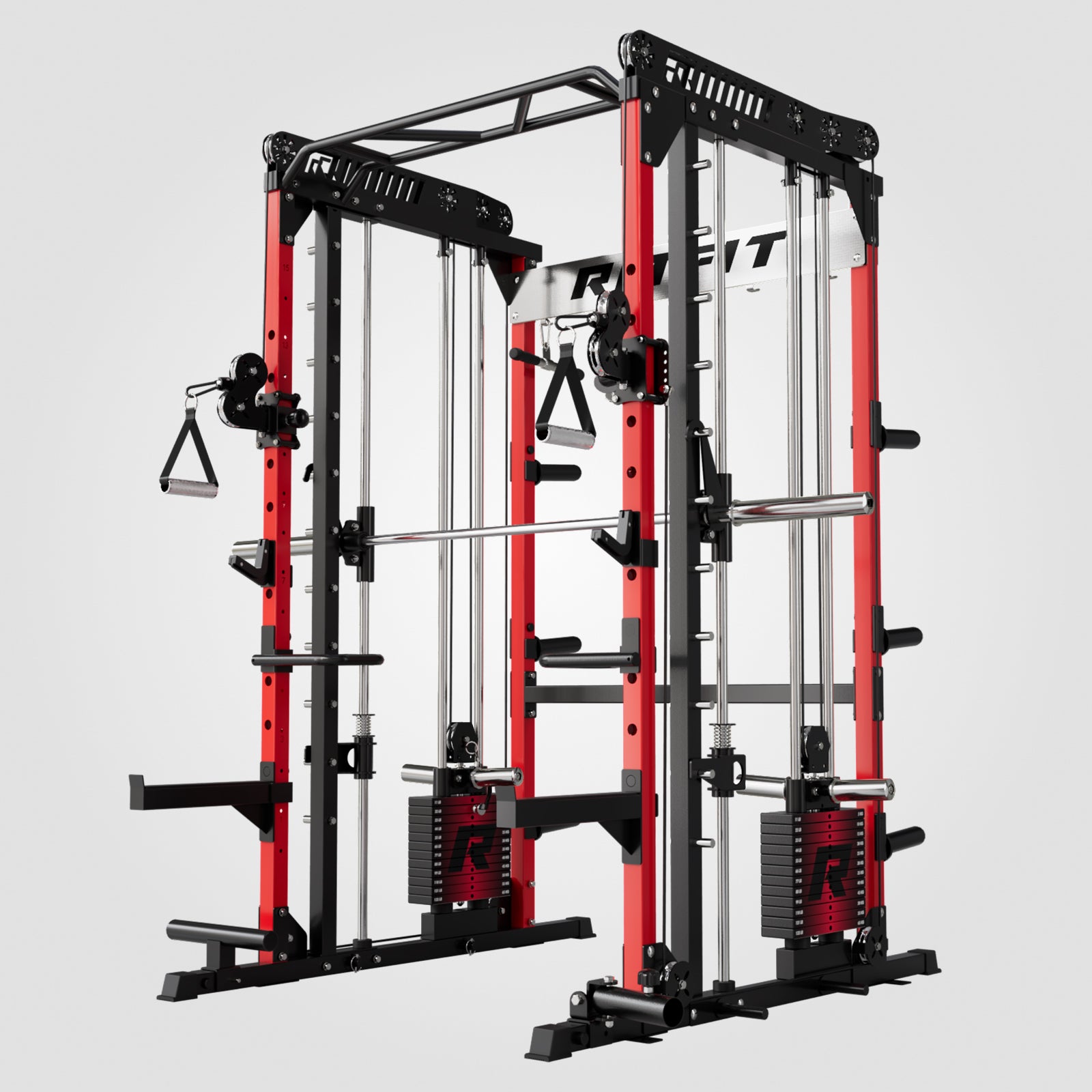
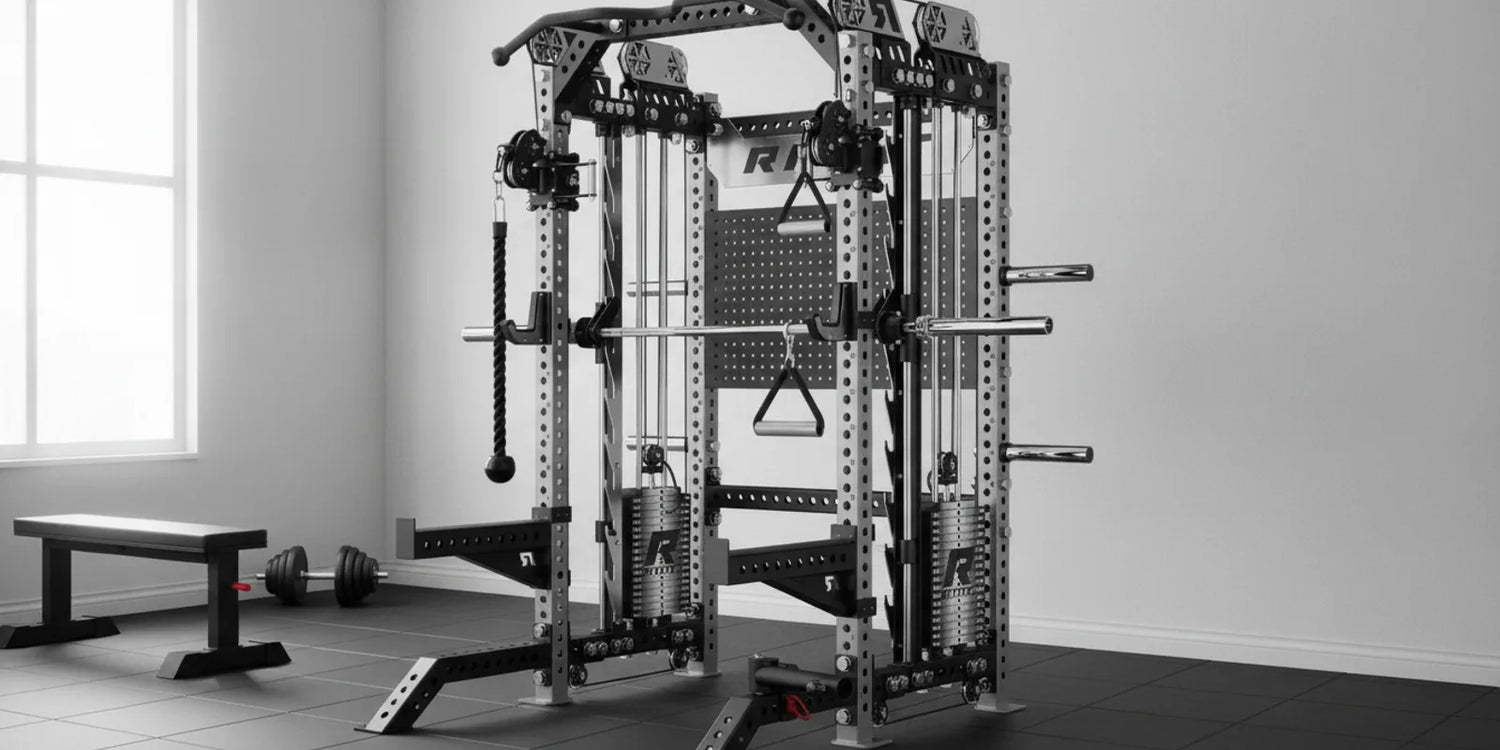
- Match your setup: RitFit offers attachment bundles and pulley hardware for cable machines, lat pulldowns, and power racks, so buy for the equipment you already own.
- Form wins: Controlled pushdowns with tucked elbows and a light flare at the bottom load the triceps safely and effectively.
Why Does a Tricep Rope Belong in Your Cable Attachment Kit?
A tricep rope earns its place in any cable attachment kit because it trains the triceps through a longer, more natural range of motion than fixed bars. The same rope also covers face pulls, cable crunches, and hammer-grip rows, so one inexpensive attachment serves several muscle groups.
- Long head loading: Coach Jeff Cavaliere points out that attachments which let the hands move naturally, like a rope or single handles, allow more extension at the shoulder and a fuller contraction of the long head of the triceps.
- Grip comfort: A braided rope lets your wrists rotate freely during the rep, which many lifters find friendlier on the elbows than a rigid straight bar.
- Small footprint: One rope replaces several specialty handles, which matters in a home gym where wall and storage space is limited.
If bigger arms are the goal, pair regular rope work with a complete plan like our guide on how to grow your triceps. Treat the rope as your default pushdown attachment and add bars later for variety.
What Should You Look for in the Best Tricep Rope Attachment?
The best tricep rope attachment combines a tightly braided nylon body, reinforced stitching at the eyelet, grippy end caps, and a load rating that exceeds your heaviest pushdown. Price differences between ropes usually come down to these four construction details rather than branding.
What rope material and stitching hold up best?
Braided nylon is the standard for quality ropes because it flexes without kinking and resists fraying under repeated heavy loads. Inspect the eyelet end for dense, even stitching, since that junction carries the full load on every single rep.
How long and thick should your rope be?
Most lifters do best with a rope between 27 and 36 inches long and roughly 1 to 1.5 inches in diameter. Taller users and anyone doing overhead extensions should favor the longer end of that range so the rope never runs out of travel against the pulley.
Why do end caps matter?
Rubber or hard polymer end caps give your palms something solid to press against at lockout and stop the braid from unraveling over time. Oversized caps also make it easier to flare the rope outward at the bottom of a pushdown without your hands slipping off the ends.
Will the rope fit your machine and handle your load?
Nearly every tricep rope terminates in a universal eyelet that clips onto any standard carabiner, so it fits cable machines, lat pulldowns, functional trainers, and rack-mounted pulley systems. Quality ropes are typically rated well beyond normal pushdown loads, but confirm the manufacturer rating and inspect the stitching every few months.
Rope vs Straight Bar vs V-Bar: Which Attachment Builds Triceps Best?
No single attachment is best for every lifter, because ropes, straight bars, and V-bars each load the triceps differently. A rope lets your hands separate and rotate at lockout for a longer range of motion, while rigid bars generally allow slightly heavier working weights.
- Rope: Best for range of motion and a lockout flare, and it suits higher-rep hypertrophy work on pushdowns and overhead extensions.
- Straight bar: Best for heavier loading with an overhand or underhand grip, and it keeps both hands fixed in the same plane.
- V-bar: A middle ground with a semi-neutral grip that many lifters find easier on the wrists during heavy pressdowns.
A 2020 study of 25 subjects performing pushdowns at 30, 45, and 60 percent of 1RM found that the rate of fatigue increased with both load and speed, and that the three heads of the triceps worked independently rather than in unison.[1] In practice that means attachment choice and rep tempo both change how the muscle fatigues, so rotating grips across the week trains the triceps more completely than any single handle.

Which RitFit Attachment Setup Fits Your Home Gym?
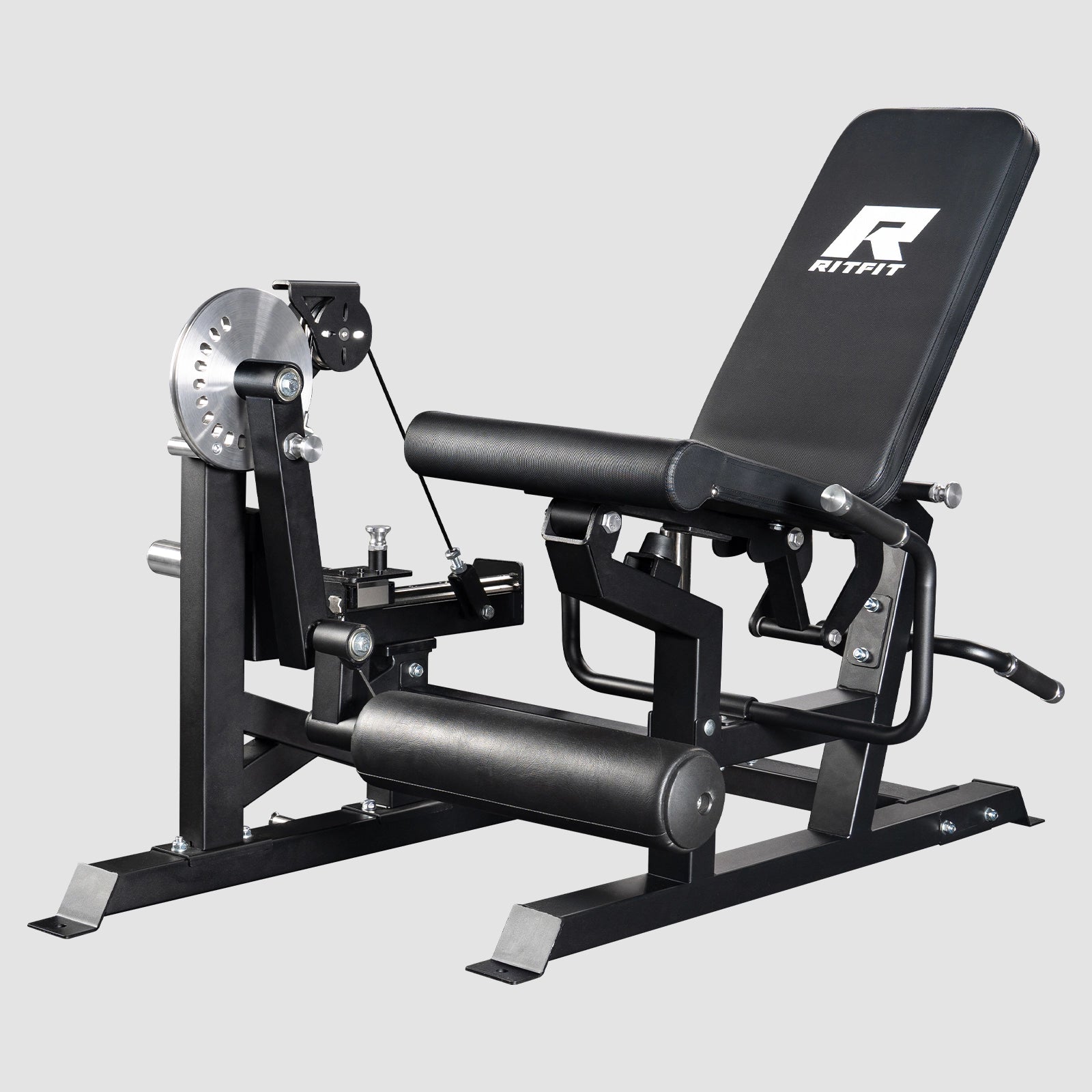
The right RitFit attachment setup depends on the equipment you already own, whether that is a cable machine, a lat pulldown station, or a power rack. Use the matrix below to match your situation to a RitFit option before you shop for a tricep rope for sale anywhere else.
| Your Setup | Recommended RitFit Option | Why It Fits |
|---|---|---|
| Cable machine or lat pulldown owner | RitFit lat pulldown cable attachment set | One bundle covers a rope plus bars, so you can rotate grips from day one. |
| New lifter building a first cable station | RitFit safe cable machine attachments | Secure, comfortable grips that make learning pushdown form easier. |
| Power rack owner adding a pulley | RitFit aluminum pulley set | Smooth rack-mounted pulley hardware that lets you run a rope directly on your rack. |
| M2 rack owner wanting a dedicated station | RitFit LPM2 high row pulldown attachment | An integrated high pulley built for the M2 footprint, ideal for pushdowns and pulldowns. |
Options stay inside the RitFit product line. Match the choice to your existing equipment and training goals.
If you are still building out a rack-based gym, browse the full rack attachments collection to confirm which pulley and cable options fit your uprights. Add the rope itself once the pulley path is sorted.
Is a Quality Tricep Rope Worth the Money?
A quality tricep rope is worth the money because it is usually one of the cheapest attachments in a cable kit yet sees the most weekly use. Spending a little more on tight braiding, strong stitching, and solid end caps costs less than replacing a frayed budget rope every year.
- What you pay for: Braid density, stitching quality, end cap material, and a verified load rating are the details that separate durable ropes from disposable ones.
- Where you can save: Colors, logos, and packaging add nothing to training quality, so skip the cosmetic upgrades.
- Value signal: A rope that also covers face pulls, overhead extensions, and crunches replaces two or three single-purpose handles in one purchase.
Most home gym owners recover the small price difference within the first year simply by not replacing worn budget ropes. Buy the best braid and stitching you can find in your budget.
How Do You Care for a Tricep Rope and Plan Upgrades?
A tricep rope needs only basic care: wipe it down after sweaty sessions, store it unclipped, and check the stitching near the eyelet every few months. Plan upgrades around your pulley path first, then add specialty bars once the rope and a straight bar are covered.
- Inspect: Look for fraying where the rope meets the eyelet, and replace the rope as soon as strands start to separate.
- Clean: Use mild soap and water on nylon, then air dry the rope fully before hanging it back on the rack.
- Upgrade path: Rope first, straight or V-bar second, then pulley hardware like the options in our guide to the best 2x2 power rack attachments when you expand.
Long-term costs stay low if you inspect stitching regularly and keep the rope dry between sessions. Budget for a replacement rope every few years rather than every few months.
How Do You Do Rope Pushdowns with Proper Form?
Proper rope pushdown form means elbows tucked at your sides, a controlled two-second lowering phase, and a light outward flare of the rope at lockout. Start with 3 sets of 10 to 15 reps at a load you can control without leaning your torso forward.
- Set up: Set the pulley near chest to shoulder height and clip the rope on with a standard carabiner.
- Position: Pin your elbows to your ribs and keep your wrists neutral through the whole rep.
- Press: Push down until your arms are straight, then flare the rope ends slightly apart at the bottom.
- Return: Come back up slowly for about two seconds and stop just before the stack touches down.
When you can finish every set with clean form, add a small amount of weight instead of extra sloppy reps. For a no-cable alternative that still hammers the triceps, follow our tutorial on lying triceps extensions.
For a visual walk-through of upper body cable training on a RitFit setup, watch the short tutorial below.
Which Pro Tips and Variations Maximize a Tricep Rope?
The most useful rope variations are the overhead extension, the double-rope pressdown, and the leaned-over extension, because each one shifts emphasis across the three heads of the triceps. Rotate one variation per week instead of changing everything at once.
A 2018 study of 10 healthy participants found that the long head of the triceps produces significantly higher force and activation at 0 degrees of shoulder elevation, while the medial head takes over as the main force producer at 90 degrees and above.[2] Practically, pushdowns with your arms pinned at your sides lean heavily on the long head, while overhead rope work shifts more of the load toward the medial head.
- Double-rope trick: One coaching guide explains that flaring a single rope creates roughly a 45 to 60 degree angle at lockout, which spikes resistance at the bottom, while clipping on two ropes keeps the angle nearer 15 to 40 degrees and the resistance more even.
- Leaned-over extension: Hinge forward slightly and let your elbows travel up for a deeper stretch on the triceps at the top of each rep.
- Frequency: Two to three rope sessions per week suits most lifters, with at least one rest day between direct triceps work.
- Balance your pressing: Round out cable isolation work with compound movements like the ones in our guide to Smith machine triceps exercises.
Stop a set if you feel sharp elbow pain rather than normal muscle burn, and reduce the load before adding advanced variations. Small, consistent progress beats heroic single sessions.
"With the ropes, you generally go a bit lighter because what I do is when you come down at the bottom, just flare it out."
Lee Priest, IFBB Pro bodybuilder, Fitness Volt
FAQs About Tricep Rope Attachments
What length tricep rope should I buy?
For most lifters a 27 to 36 inch rope covers pushdowns, overhead extensions, and face pulls. Shorter ropes around 27 inches suit pushdowns on compact home machines, while taller users or anyone doing overhead work benefit from 32 to 36 inches of travel.
Will a tricep rope fit my cable machine?
Almost all tricep ropes use a universal eyelet or ring that clips onto any standard carabiner, so they fit cable machines, lat pulldowns, functional trainers, and rack-mounted pulley systems. Just confirm your machine uses a standard carabiner clip rather than a proprietary connector.
Is a rope better than a straight bar for triceps?
Neither is strictly better, they stress the triceps differently. A rope lets your hands separate and rotate at lockout for a longer range of motion, which many lifters feel more in the lateral head. A straight bar usually allows slightly heavier loads. Rotate both for complete development.
How much weight can a tricep rope hold?
Quality braided nylon ropes with rubber end caps and reinforced stitching are typically rated well above what most lifters push down, often 200 pounds or more. Check the manufacturer load rating, inspect stitching regularly, and replace the rope if you see fraying near the eyelet.
What exercises can I do with a tricep rope besides pushdowns?
A tricep rope is one of the most versatile cable attachments. Use it for overhead tricep extensions, face pulls, cable crunches, hammer-grip rows, and even bicep curls. This versatility is why a rope is usually the first attachment worth buying for a home cable setup.
What if I do not have a cable machine for triceps?
Bodyweight options still train the triceps hard. A 2026 EMG study found diamond push-ups produced the highest triceps activation of three hand positions tested in 20 young males.[3] Dips and close-grip push-ups are also effective until you add a rope and pulley setup.
Conclusion
The best tricep rope attachment is a braided nylon rope in the 27 to 36 inch range with strong stitching, solid end caps, and a universal eyelet that fits your machine. Match the attachment to the equipment you already own, learn clean pushdown form, and rotate variations across the week.
Ready to gear up? Check the latest deals on the RitFit sales page and add the rope that fits your setup today.
Disclaimer
This article is for general fitness information only and is not medical advice, and training loads should be progressed gradually with attention to any pain or discomfort. Consult a qualified healthcare or fitness professional before starting a new exercise program, especially if you have a history of elbow, shoulder, or wrist issues.
Save on your next RitFit order
Tap the button to copy your code, then paste it at checkout.
References
1. Hussain J, Sundaraj K, Subramaniam ID, Lam CK. Muscle Fatigue in the Three Heads of Triceps Brachii During Intensity and Speed Variations of Triceps Push-Down Exercise. Front Physiol. 2020;11:112. doi:10.3389/fphys.2020.00112. PMCID: PMC7047337
2. Kholinne E, Zulkarnain RF, Sun YC, Lim S, Chun JM, Jeon IH. The different role of each head of the triceps brachii muscle in elbow extension. Acta Orthop Traumatol Turc. 2018;52(3):201-205. doi:10.1016/j.aott.2018.02.005. PMCID: PMC6136322
3. Intziegianni K, Katsamis E, Michaelides M, Parpa K. Electromyographic Activation of the Pectoralis Major and Triceps Brachii Muscles During Standard, Diamond, and Wide Hand Position Push-Ups. Muscles. 2026;5(1). doi:10.3390/muscles5010018. PMCID: PMC13029269