A turnkey home gym package under $5,000 bundles a rack or Smith machine, barbell, plates, bench, and flooring into one purchase so you skip the guesswork of matching separate parts. This guide sequences your spending across three phases and shows which RitFit tier fits your space and goals.
The advice below applies to garages, basements, and spare rooms with at least an 7.5-foot ceiling; always check your floor joists before bolting down heavy equipment.
Quick Answer: The best turnkey home gym packages under $5,000 combine a power rack or Smith machine, barbell, plates, adjustable bench, and flooring, sequenced across three spending phases so beginners cover the essentials first and add cable or dumbbell versatility once the foundation is complete.
Key Takeaways
- Foundation first: Spend the first $2,000 on a rack, barbell, plates, and bench before adding accessories.
- Tiers differ by footprint: RitFit package tiers scale from compact rack setups to full Smith machine stations.
- Bundling avoids guesswork: A matched package removes the compatibility questions that come with piecing parts together.
- Upgrades attach to the frame: Cable attachments and dumbbell racks bolt onto the same rack, so early purchases keep their value.
- Space rules the purchase: Measure floor space and ceiling clearance before choosing a tier, not after.
What Turnkey Means for a $5,000 Home Gym Package
A turnkey home gym package means every core component, the rack, bar, plates, bench, and flooring, arrives matched and ready to assemble as one order. This removes the trial and error of buying a rack from one brand and discovering the bar or attachments do not fit.
- Matched hardware: J-hooks, pull-up bars, and attachments are sized for the same rack, so nothing gets left unused.
- Single delivery window: Freight and curbside delivery arrive together instead of in staggered shipments.
- Predictable budget: One price covers the essentials, so you are not guessing what a bench or plate set will add later.
This approach works best for first-time buyers who want a working setup in one weekend. For more limited budgets, see our guide to building a home gym under $500 or under $1,000.
How Should You Spend the First $2,000 on the Foundation?
The first $2,000 should go entirely to the rack, barbell, plates, and an adjustable bench, since these four items carry the most training value per dollar. Having this equipment at home is linked to more consistent moderate to vigorous daily activity, since it removes the commute and schedule barrier of a commercial gym.[1]
- Rack or Smith machine: Choose 11-gauge steel with multiple J-hook positions for squat and press variations.
- Barbell and plates: A 300 to 500 lb plate set covers most strength progressions for years.
- Adjustable bench: Flat to incline settings support press, row, and core work on one piece.
Skipping the bench to save money is a common early mistake, since it limits half your upper body exercises. See our under $2,000 equipment guide for a full breakdown of this phase.
How Do You Add Versatility in Phase 2 of the Budget?
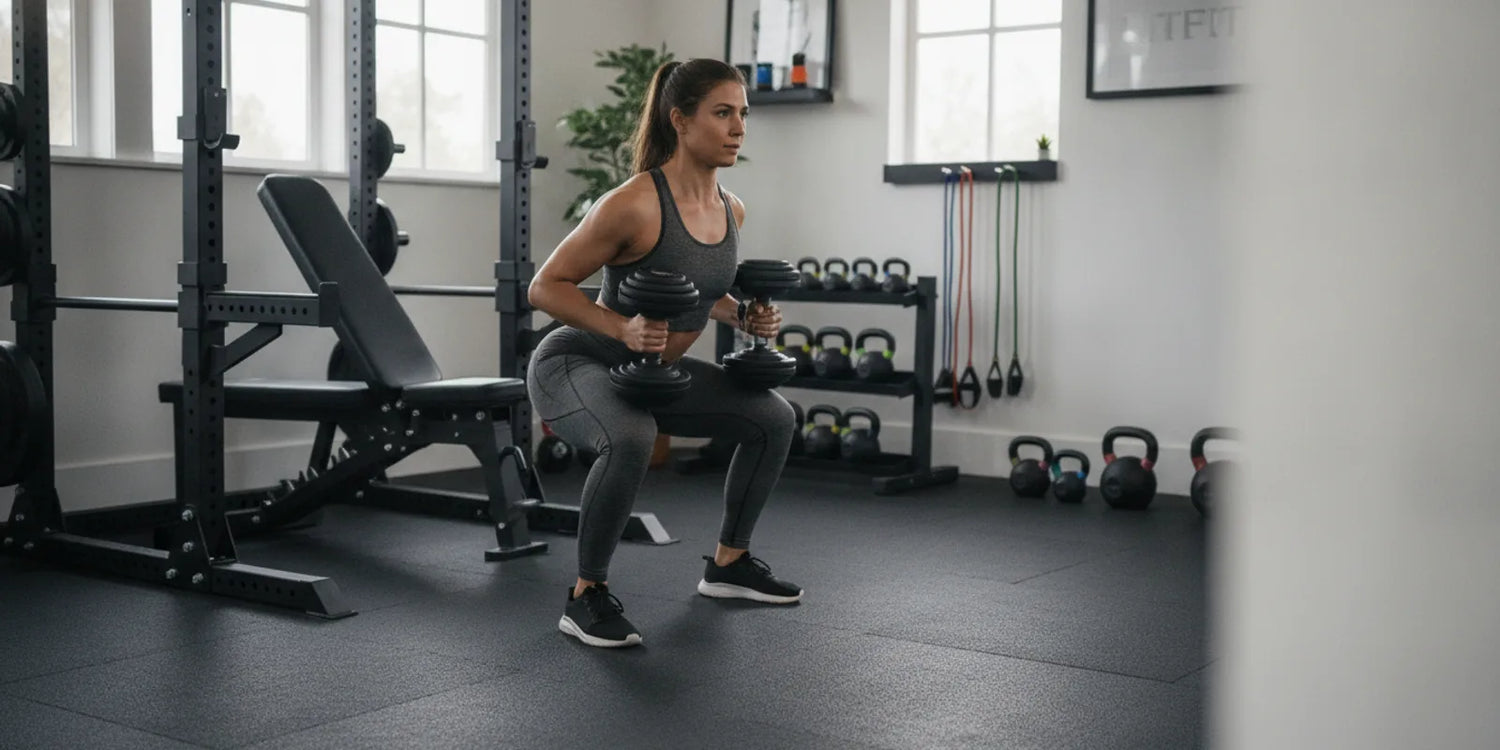
Phase 2 spending, roughly the next $1,500, should add a cable pulley attachment or a dumbbell set to cover pulling and isolation movements the rack alone cannot handle. Free weights stay versatile and take up relatively little floor space, which is why they are a preferred addition when expanding a home gym on a budget.[2]
- Cable pulley attachment: Adds rows, pulldowns, and tricep work to an existing rack frame.
- Adjustable dumbbells: A 5 to 50 lb set covers accessory lifts without needing a second rack.
- Pull-up bar: Most racks include one, so confirm before buying a separate unit.
This phase is where a bundled package pays off, since cable and dumbbell attachments are designed to bolt onto the same frame. Compare Smith machine options in our under $3,000 Smith machine guide.
Which RitFit Package Tier Fits Your Space and Goals?
The right RitFit package tier depends on your footprint and training goals, ranging from a compact rack for tight garages to a full Smith machine station for a dedicated room. Compare the three tiers below to match your space before you buy.
| Package | Footprint | Price Range | Best For |
|---|---|---|---|
| PSR05 Power Rack Package | Compact, under 30 sq ft | Budget tier | Small garages, beginners starting with free weights |
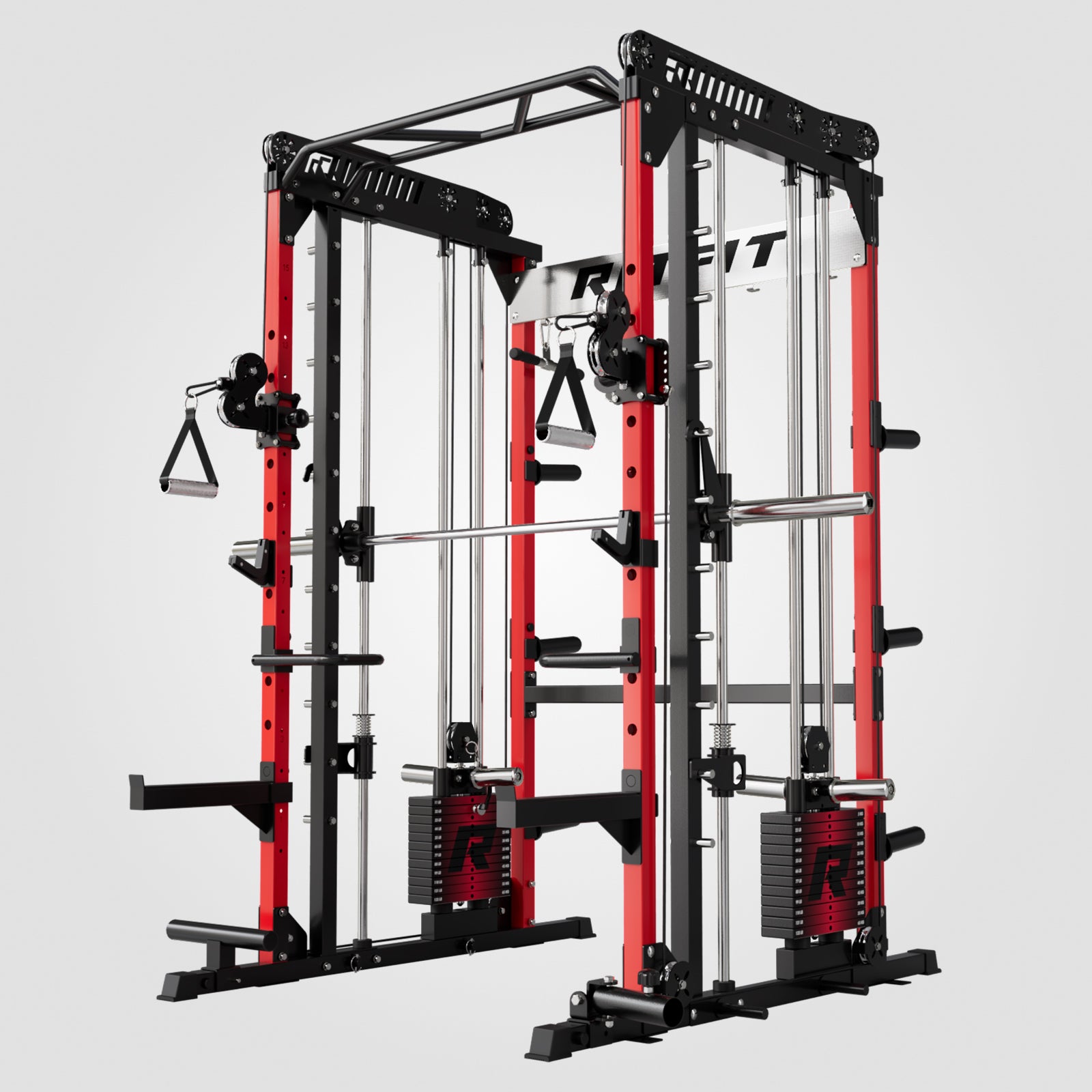
| M1 Smith Machine Package | Mid-size, 40 to 60 sq ft | Mid tier | Guided-bar lifters who want squat and press safety |
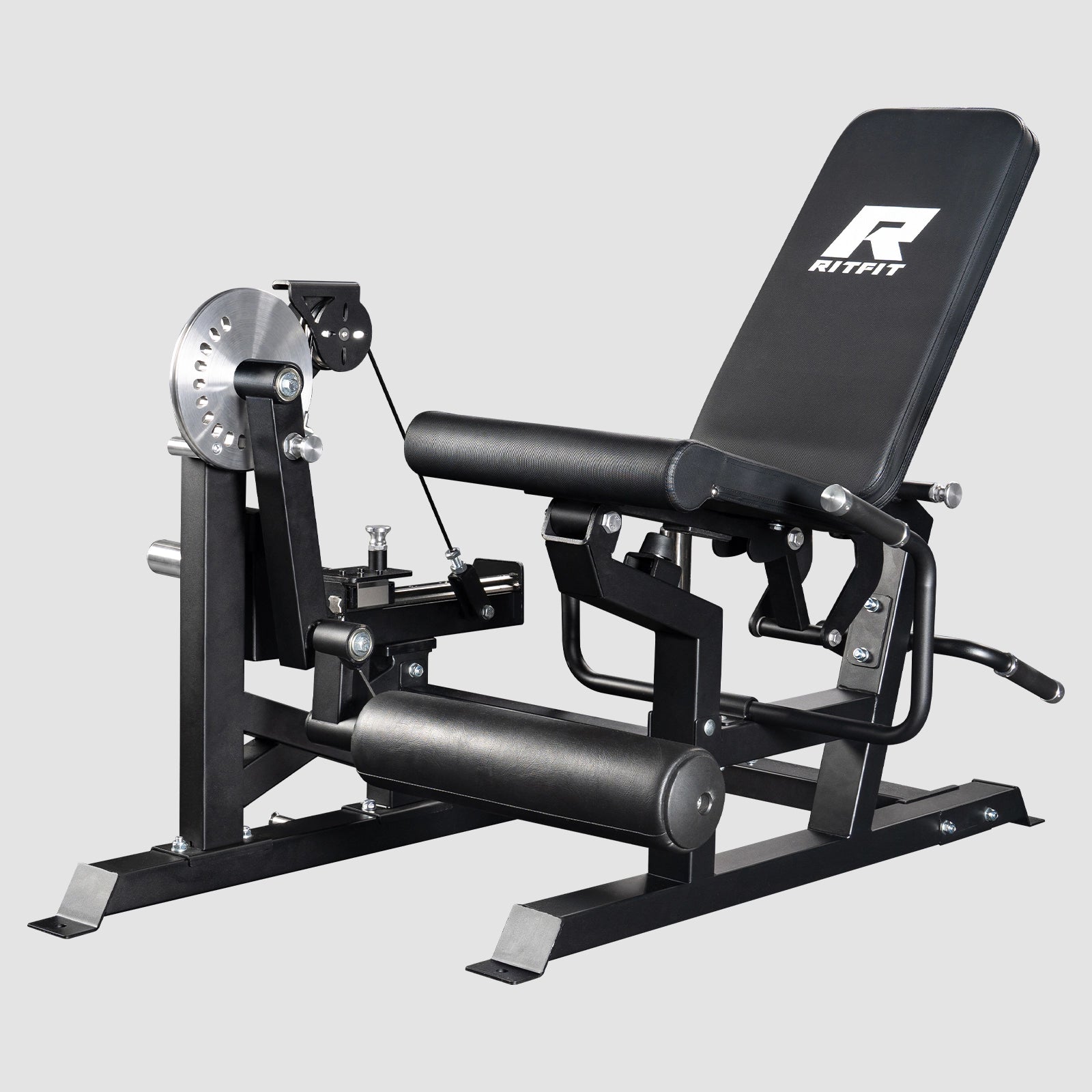
| BPC06 Complete Package | Full room, 60 sq ft plus | Top tier | Serious lifters wanting cable, bench, and rack in one station |
Footprint estimates include clearance for plate loading and bench positioning; measure your space before ordering.
Beginners with limited space should start with the PSR05 tier and add attachments later. Browse the PSR05 Power Rack Package or the M1 Smith Machine Package to compare specs directly.
Is a Bundled Package Worth It Versus Buying Piece by Piece?
Yes, a bundled package is usually worth it because it removes the compatibility guesswork of matching a rack, bar, and bench from different brands. Buying piece by piece often means discovering a J-hook or bench does not fit the rack you already bought.
- One warranty contact: A single package means one company to call if a part fails.
- Freight coordination: Heavy items shipping together reduces the number of curbside deliveries you manage.
- Time savings: Assembly instructions cover the whole system instead of five separate manuals.
Piece by piece buying can save money only if you already own compatible equipment. Read more on why buyers choose RitFit home gym packages and whether all-in-one machines are worth the investment.
"A serviceable home gym for barbell training need not be a gigantic investment, and in fact should be very simple."
Mark Rippetoe, Founder, Starting Strength
What Will It Cost to Upgrade After Year One?
Most lifters spend $300 to $800 upgrading after year one, typically adding heavier plates, a second bar, or a cable attachment once strength outpaces the starting set. Home-based interval training on this kind of setup has been shown to improve cardiorespiratory fitness to a similar degree as home-based moderate-intensity training, so the base equipment supports more than just strength goals.[3]
- Heavier plates: Add 100 to 200 lb once you approach your original set's limit.
- Second bar: A dedicated deadlift or specialty bar is a common year-two purchase.
- Cable attachment: If skipped in phase 2, this is the most common year-one addition.
Because attachments bolt onto the same rack, upgrade costs stay predictable instead of requiring a second base purchase.
What Mistakes Waste Budget in a Turnkey Purchase?
The most common budget mistake is buying attachments before securing a stable rack and enough plates, which leaves the foundation underbuilt while accessories sit unused. A close second is skipping flooring, which risks damage to both the floor and the equipment.
- Underbuying plates: Running out of weight within months forces a second, rushed purchase.
- Skipping flooring: Rubber mats protect concrete and reduce noise transfer to other rooms.
- Ignoring ceiling height: Pull-up bars and overhead press need clearance that is easy to overlook.
Sticking to the foundation-first order in Key Takeaways avoids most of these mistakes.
How Much Floor Space and Ceiling Height Do You Need?
Most turnkey packages need 80 to 120 sq ft of floor space and at least an 7.5-foot ceiling to clear a pull-up bar and overhead press safely. Compact rack tiers can fit smaller garages, but bench and plate loading still need clearance on both sides.
- Rack footprint: Leave 24 inches (61 cm) on each side for plate loading.
- Bench clearance: Allow 6 feet of length for a bench pulled away from the rack.
- Overhead clearance: Leave at least 12 inches above your reach for pull-ups and overhead press.
Measure your space before ordering; see our home gym guide and home gym ideas for layout examples.
FAQs About Turnkey Home Gym Packages Under $5,000
What does a turnkey home gym package under $5,000 usually include?
Yes, most packages include a rack or Smith machine, a barbell, a plate set, an adjustable bench, and flooring. Some tiers add a cable attachment or dumbbell rack. Everything ships matched, so parts fit together without separate compatibility checks or extra purchases.
How much floor space does a home gym package need?
Most packages need 80 to 120 sq ft, depending on the tier and attachments chosen. Compact rack setups fit smaller garages, while full Smith machine stations need a dedicated room. Always measure your space, ceiling height, and doorway clearance before ordering a package tier.
Can you upgrade a starter package later?
Yes, most racks accept cable pulleys, dumbbell storage, and extra plates as bolt-on additions once your training experience grows. This keeps early purchases useful instead of replacing them entirely. Budget an extra $300 to $800 for common first-year upgrades like plates or a cable attachment.
Is a Smith machine or power rack better for a $5,000 budget?
It depends on your training style and space. A power rack suits free-weight lifters who want squat and press safety without guided bars. A Smith machine suits lifters who want guided-bar stability and often fits mid-size to larger packages within this budget.
Do turnkey packages save money compared to buying separately?
Yes, in most cases, since bundled pricing avoids the guesswork of matching separate brands and reduces shipping to one delivery window instead of several. Buying separately can save money only if you already own compatible equipment like plates or a bench that fits the same rack.
What ceiling height do you need for a home gym package?
Most packages need at least an 7.5-foot ceiling to clear a pull-up bar and overhead press safely without hitting the ceiling mid-rep. Basements with lower ceilings should measure clearance before ordering a full-height rack, since some tiers require more overhead room than others.
Should beginners start with the smallest package tier?
Yes, beginners with limited space or budget should start with a compact rack tier and add attachments later as training experience grows. This foundation-first approach covers the most common exercises first, letting you expand toward cable or dumbbell versatility once the basics feel solid.
Conclusion
A turnkey home gym package under $5,000 works best when you spend the first $2,000 on the rack, bar, plates, and bench, then add cable or dumbbell versatility in phase two. Match the package tier to your floor space and ceiling height before ordering.
Start by measuring your space, then compare RitFit's rack package collection to find the tier that fits your room and budget.
Disclaimer
This article is for general informational purposes only and does not replace professional fitness, medical, or structural advice. Consult a qualified trainer or contractor before installing heavy equipment or beginning a new strength training program.
Save on your next RitFit order
Tap the button to copy your code, then paste it at checkout.
References
1. Noori-Sistani M, Allahverdipour H, Vahedian-Shahroodi M, Eskandarnejad M, Pashazadeh F, Javadivala Z. Home-based physical activity strategies for healthy adults: A scoping review. J Educ Health Promot. 2025;14:424. doi:10.4103/jehp.jehp_814_24
2. Iversen VM, Norum M, Schoenfeld BJ, Fimland MS. No Time to Lift? Designing Time-Efficient Training Programs for Strength and Hypertrophy: A Narrative Review. Sports Med. 2021;51(10):2079-2095. doi:10.1007/s40279-021-01490-1
3. Tsuji K, Tsuchiya Y, Ueda H, Ochi E. Home-based high-intensity interval training improves cardiorespiratory fitness: a systematic review and meta-analysis. BMC Sports Sci Med Rehabil. 2023;15(1):166. doi:10.1186/s13102-023-00777-2