

The RitFit M1 PRO HSA question comes up because IRS rules never make exercise equipment eligible on their own. This guide answers the machine specific version of that rule and shows the compliant path from health survey to payment.
You will see when the purchase may qualify, how the clinician review works, and which records to keep. Everything here follows published IRS guidance and the provider's own process descriptions.
Quick Answer: The RitFit M1 PRO HSA or FSA answer is no by default, because IRS rules treat gear bought merely for general health as a nonmedical expense. The machine may become potentially eligible when a licensed clinician connects it to a diagnosed condition through a letter of medical necessity, then you pay or seek reimbursement.
Key Takeaways
- Default answer: The RitFit M1 PRO is not HSA or FSA eligible by default under IRS rules.
- Compliant path: A health survey plus a clinician issued letter of medical necessity may make the purchase potentially eligible.
- Qualifying situations: A prescribed strength plan after injury or surgery, diagnosed osteoporosis or sarcopenia management, or mobility limits could support the claim.
- Payment routes: Pay with an HSA or FSA card at a supported checkout, or pay normally and submit the letter for reimbursement.
- Documentation: Keep the survey record, letter, receipts, and administrator correspondence on file before you buy.
Is the RitFit M1 PRO HSA or FSA Eligible?
The RitFit M1 PRO is not HSA or FSA eligible by default, and no exercise equipment is. It may become potentially eligible when a licensed clinician links your purchase to a specific diagnosed condition through a letter of medical necessity.
- IRS starting point: Expenses made merely for general health do not count as medical expenses, so a general fitness purchase stays out of pocket.
- Compliant path: A health survey and an independent licensed clinician review may connect the machine to your diagnosed condition.
- Your payment choice: Pay with an HSA or FSA card at a supported checkout, or pay normally and submit the letter for reimbursement.
You can review the full RitFit M1 PRO Smith Machine specifications while you gather eligibility details. The sections below cover each step in order.
"Great product. Still holding up beautifully over a year later even with rough use. Have had some great lifts on this and the hassle of going to a crowded gym/constant gym fees is not an issue anymore."
Mal, Verified Buyer, RitFit M1 PRO Multi-Functional Smith Machine with Cable Crossover System and Squat Rack for Home Gym
Why No Machine Is Automatically Eligible
According to IRS guidance, a medical expense must primarily alleviate or prevent a physical or mental disability or illness. Costs that are merely beneficial to general health, such as gear bought for general fitness, do not count as medical expenses.
- Rules before brands: No equipment brand or category is automatically eligible, because eligibility attaches to the medical purpose, not to the product itself.
- Account types: An HSA (Health Savings Account) pairs with a high-deductible health plan, while an FSA (Flexible Spending Account) is employer sponsored.
- What changes the outcome: A documented medical need recorded in a letter of medical necessity may move the same purchase into qualifying territory.
Our hub article on HSA or FSA funds for exercise equipment covers the IRS framework in full depth. The buying walkthrough in How to Buy HSA-Approved Exercise Equipment picks up from there.
What Situations Could Support an M1 PRO Purchase
An M1 PRO purchase could become potentially eligible in situations where a clinician prescribes guided resistance training for a diagnosed condition. The condition itself must come from your health survey and be confirmed by the reviewing clinician.
- Recovery plan: A prescribed strength plan after injury or surgery, where a clinician wants the controlled, supported movement a guided bar path provides.
- Diagnosed conditions: Management of conditions such as osteoporosis or sarcopenia, where progressive resistance training may be incorporated into a broader care plan.
- Mobility limits: Mobility limitations that make supported, guided strength work at home more practical than free weights.
None of these situations qualifies on its own. The reviewing clinician, working from your survey, makes the determination for your specific case.
"Arrived much faster than I thought it would. Great communication during shipping process. Was not difficult to assemble and as advertised in terms of functionality. Customer service has been exceptional. Really happy with the purchase."
Douglas T. Verified Buyer, RitFit M1 PRO Multi-Functional Smith Machine with Cable Crossover System and Squat Rack for Home Gym
What Evidence Says About Guided Resistance Training at Home
Guided resistance training at home rests on a broad evidence base for strength and physical function. That evidence covers progressive training in older adults, not any specific machine.
- Strength outcomes: A meta-analysis reviewed resistance exercise for muscular strength in older adults, the evidence base behind structured progressive programs[1].
- Physical function: A Cochrane systematic review found that progressive resistance strength training improves physical function in older adults[2].
- Program design: A meta-analysis examined dose response relationships of resistance training in healthy older adults, supporting structured programs over guesswork[3].
For an M1 PRO, that evidence means a clinician guided program can follow the same progressive principles at home. It does not mean the machine itself was studied by name.
How the Health Survey and Clinician Review Work for an M1 PRO
Per the provider's published process, you complete a health survey and an independent licensed clinician reviews your answers. If you qualify, the clinician issues the letter of medical necessity tied to your purchase.
- Step 1, survey: Complete a health survey that describes your diagnosed condition and prescribed needs.
- Step 2, review: An independent licensed clinician evaluates your responses against qualifying criteria.
- Step 3, letter: If you qualify, you receive the letter of medical necessity and keep it with your records.
Timing matters for FSA users. Confirm your plan deadline before you start, since a claim submitted after the window closes cannot be recovered.
"The M1 Pro has re-energized my workout regimen. The smith machine has been really helpful allowing my rehabilitated shoulders to rebuild strength and range of motion. The landmine is an added bonus; I love the many movements it has made possible."
Joseph C. Verified Buyer, RitFit M1 PRO Multi-Functional Smith Machine with Cable Crossover System and Squat Rack for Home Gym
Paying With Your HSA or FSA Card or Reimbursing Later
Truemed reports that qualified customers save an average of 30 percent on eligible health purchases. One published example estimates $160 of savings on a $500 purchase in a 32 percent tax bracket, and your own outcome depends on your plan and tax situation.
- Pay at checkout: If a payment provider such as Truemed is available, complete the health survey and pay with your HSA or FSA card when you qualify.
- Reimburse later: If no provider appears at checkout, pay with any card, complete the survey, and submit the letter of medical necessity to your administrator for reimbursement.
- Marketplace note: Truemed states its marketplace covers 3,000+ health brands, which is separate from any single store checkout.
- Deadline watch: Unused FSA balances often expire at the plan year deadline, so confirm your administrator's submission window early.
For the purchase path in one place, How to Use HSA/FSA Funds for Eligible RitFit Equipment walks through RitFit specific steps.
Which M1 PRO Features Support a Medically Guided Program
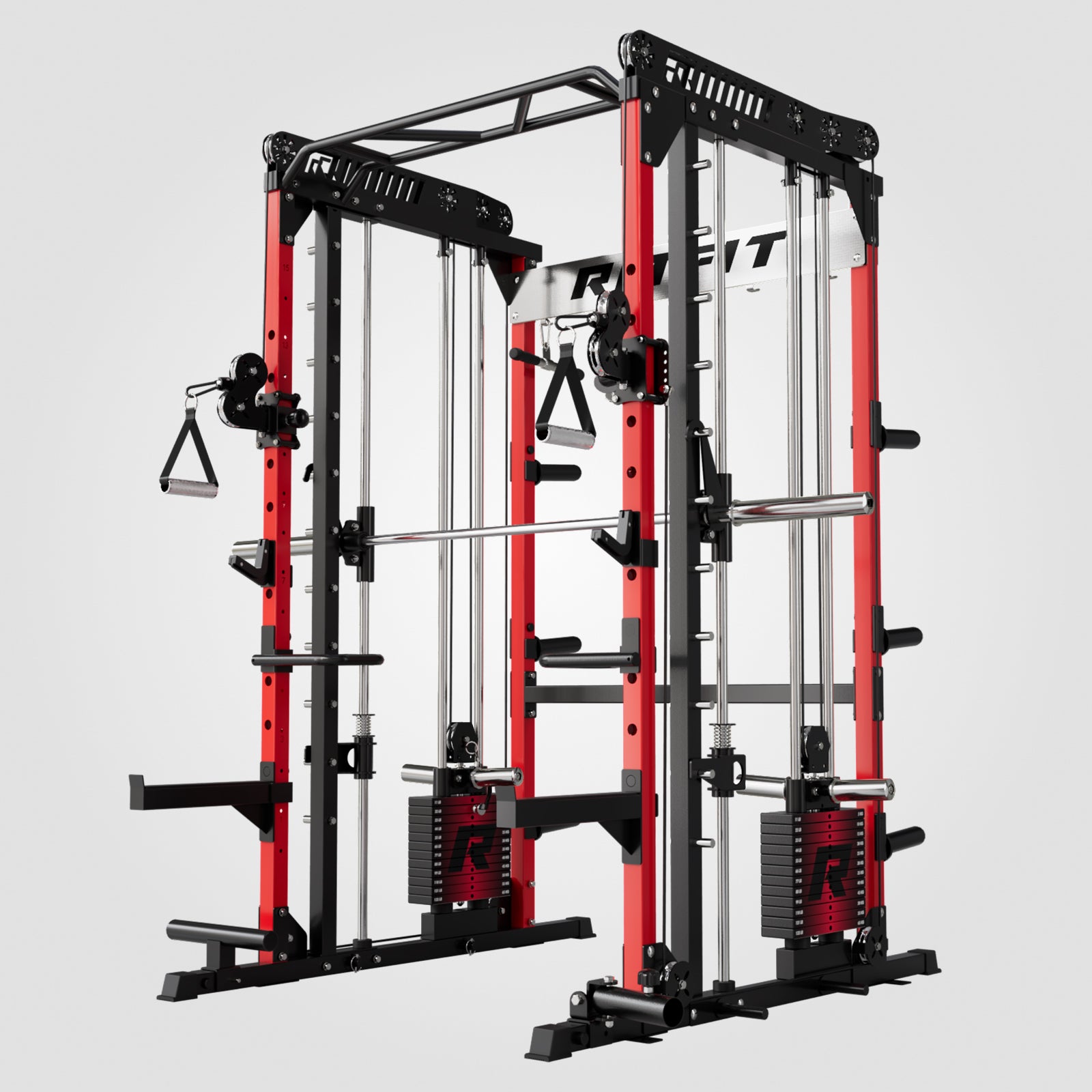
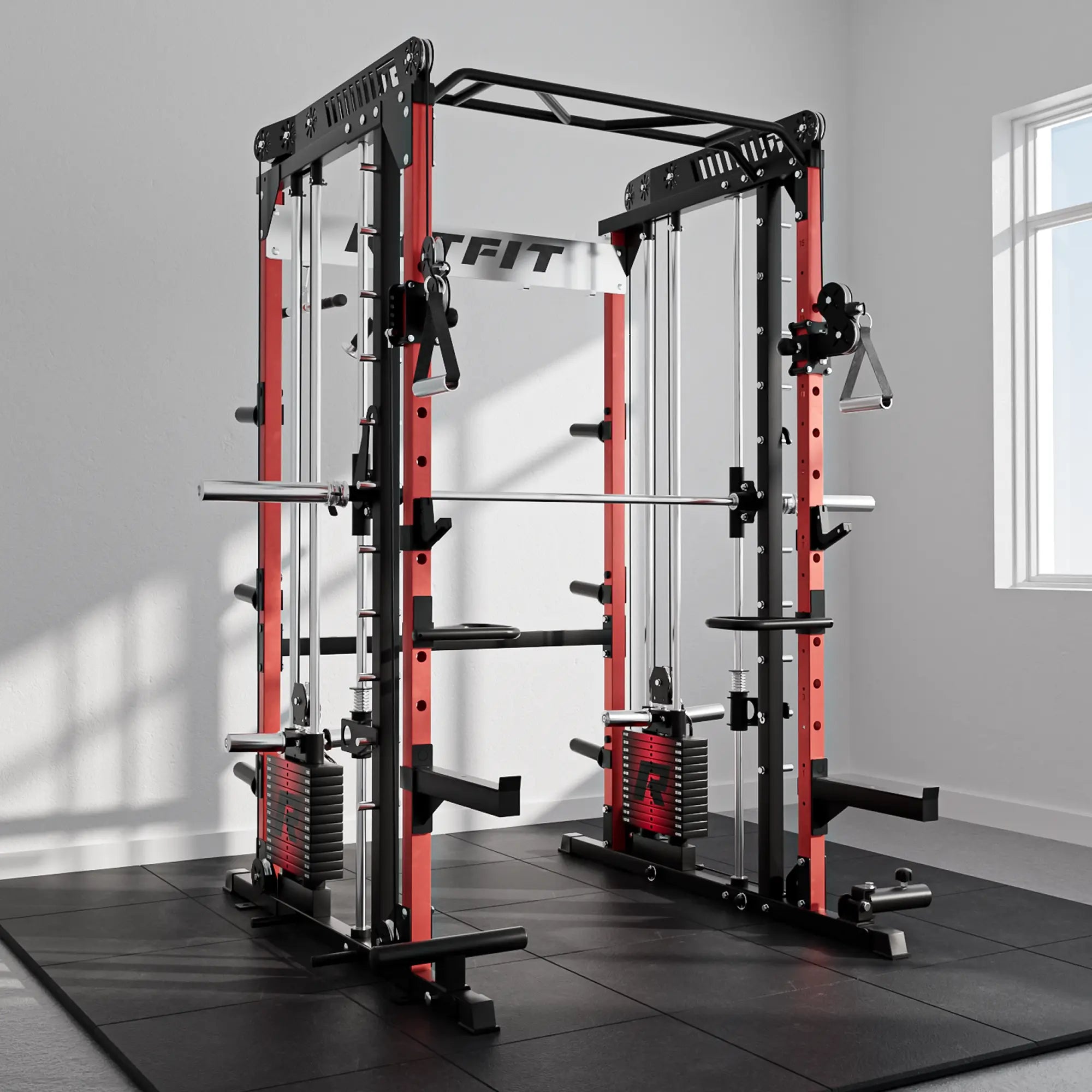
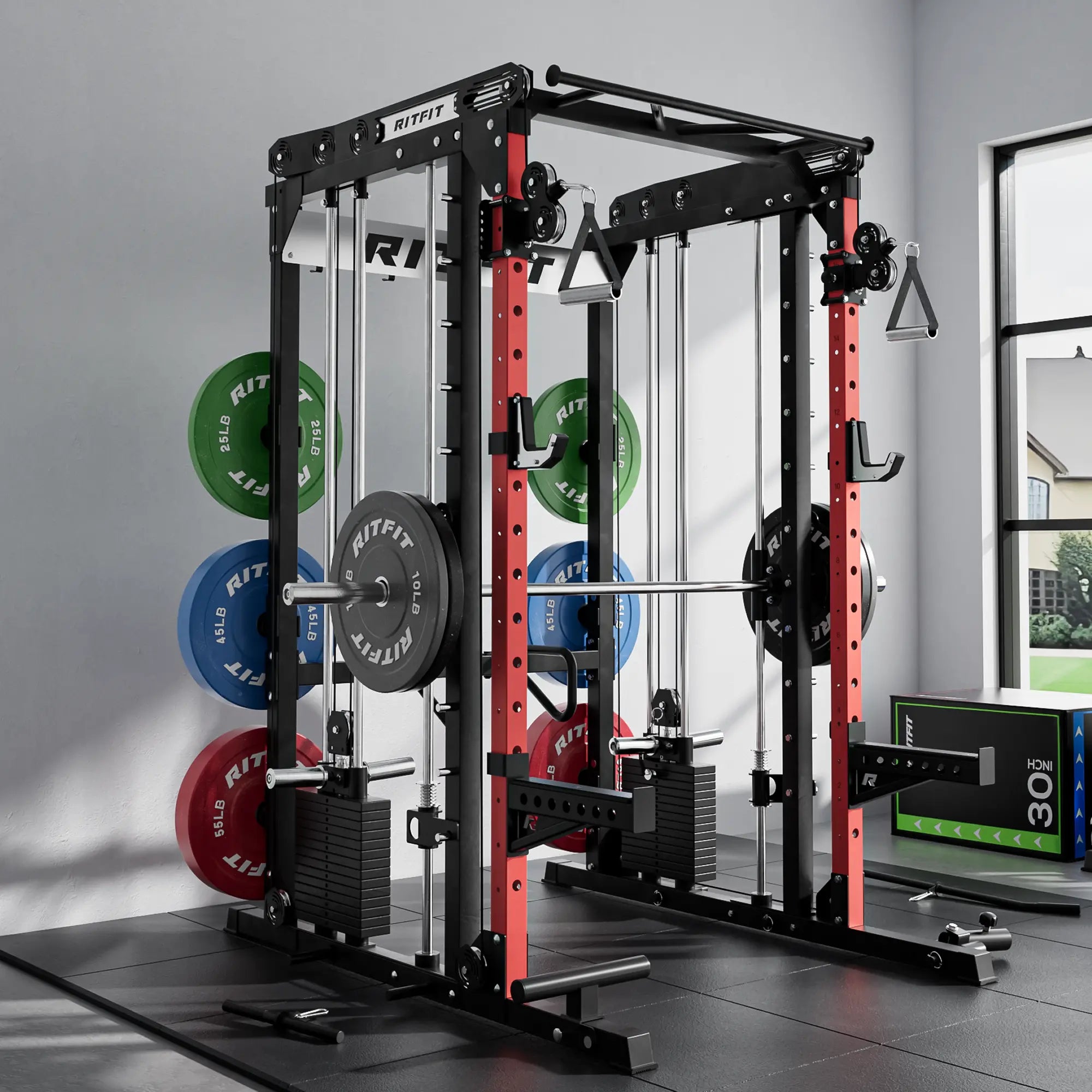
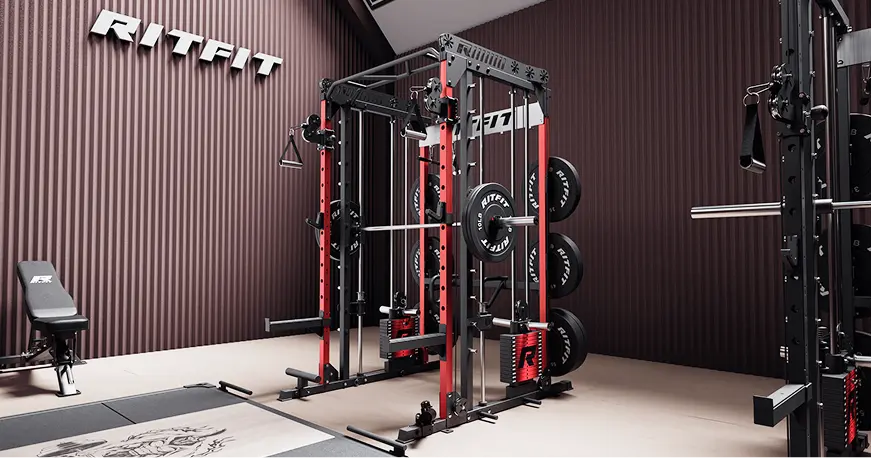
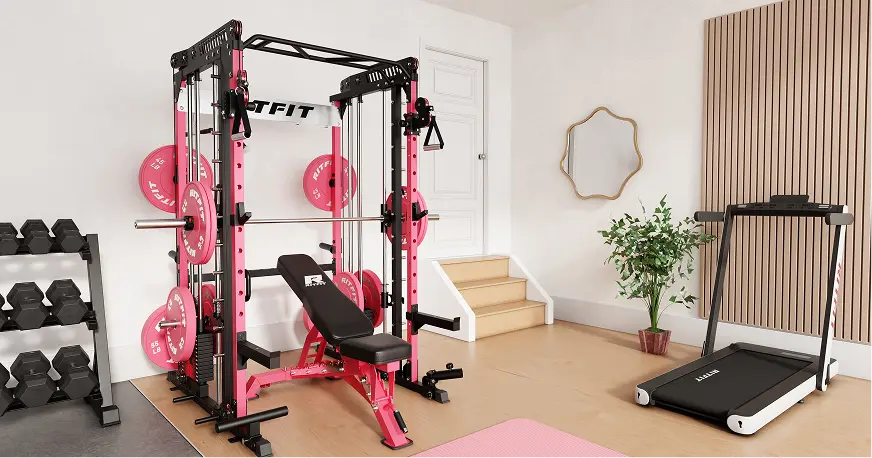
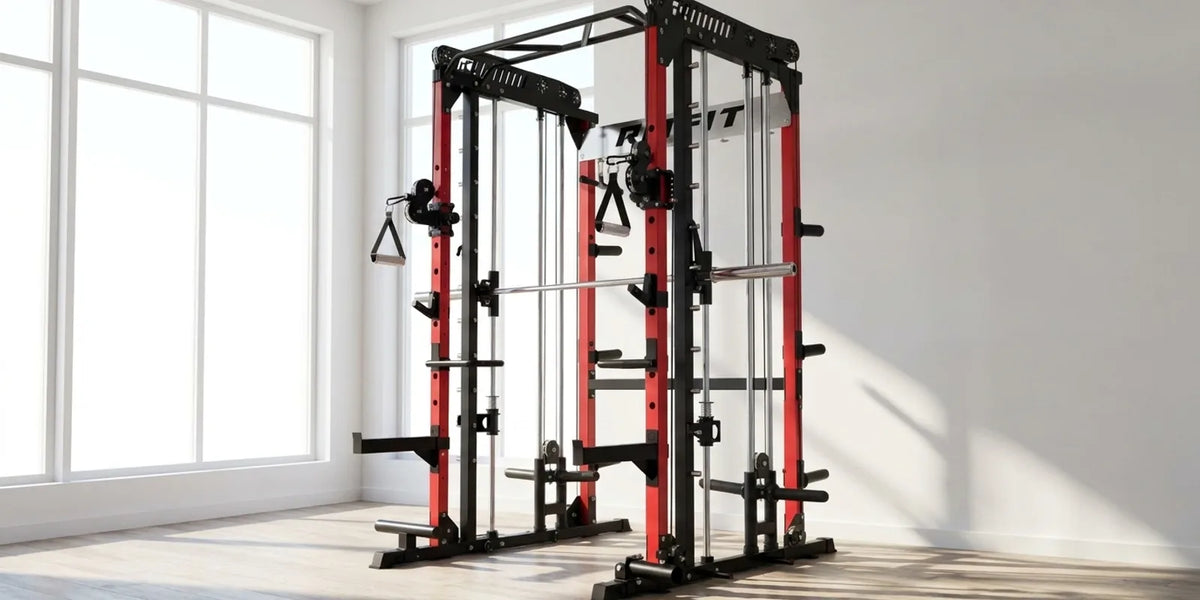
Several M1 PRO features make a clinician guided home strength program practical. A guided bar path, an integrated cable crossover, an optional weight stack, and a compact footprint each address a common home program constraint.
- Guided bar path: The fixed path helps you repeat the same movement pattern with support, which suits supervised, progressive programs.
- Cable crossover: The integrated dual cable station covers a wide range of guided accessory work without extra machines.
- Weight stack option: A built-in stack allows small, repeatable load jumps, which matches the incremental way clinicians describe progression.
- Compact footprint: One all-in-one station replaces several machines, which matters when a home program has to fit a limited space.
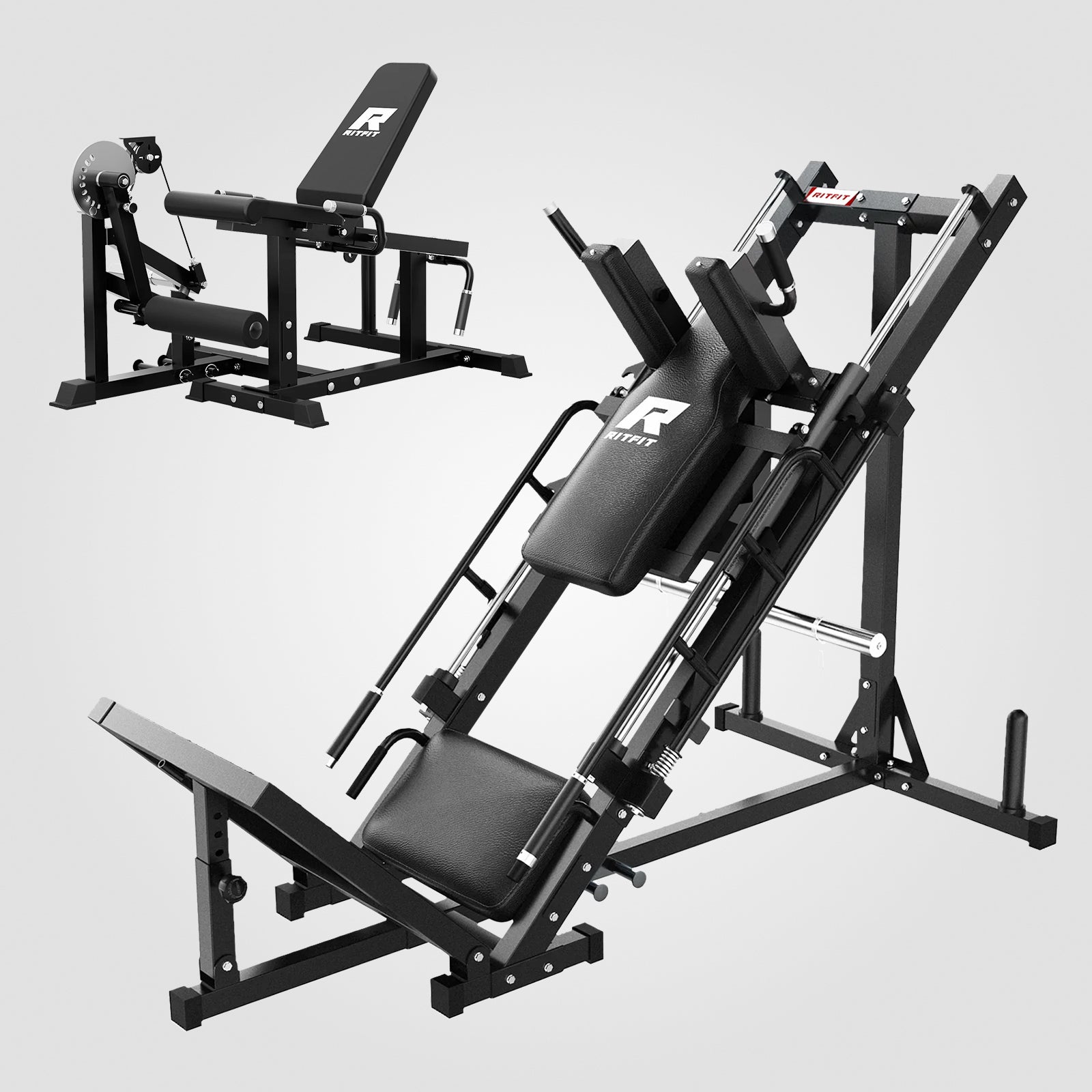
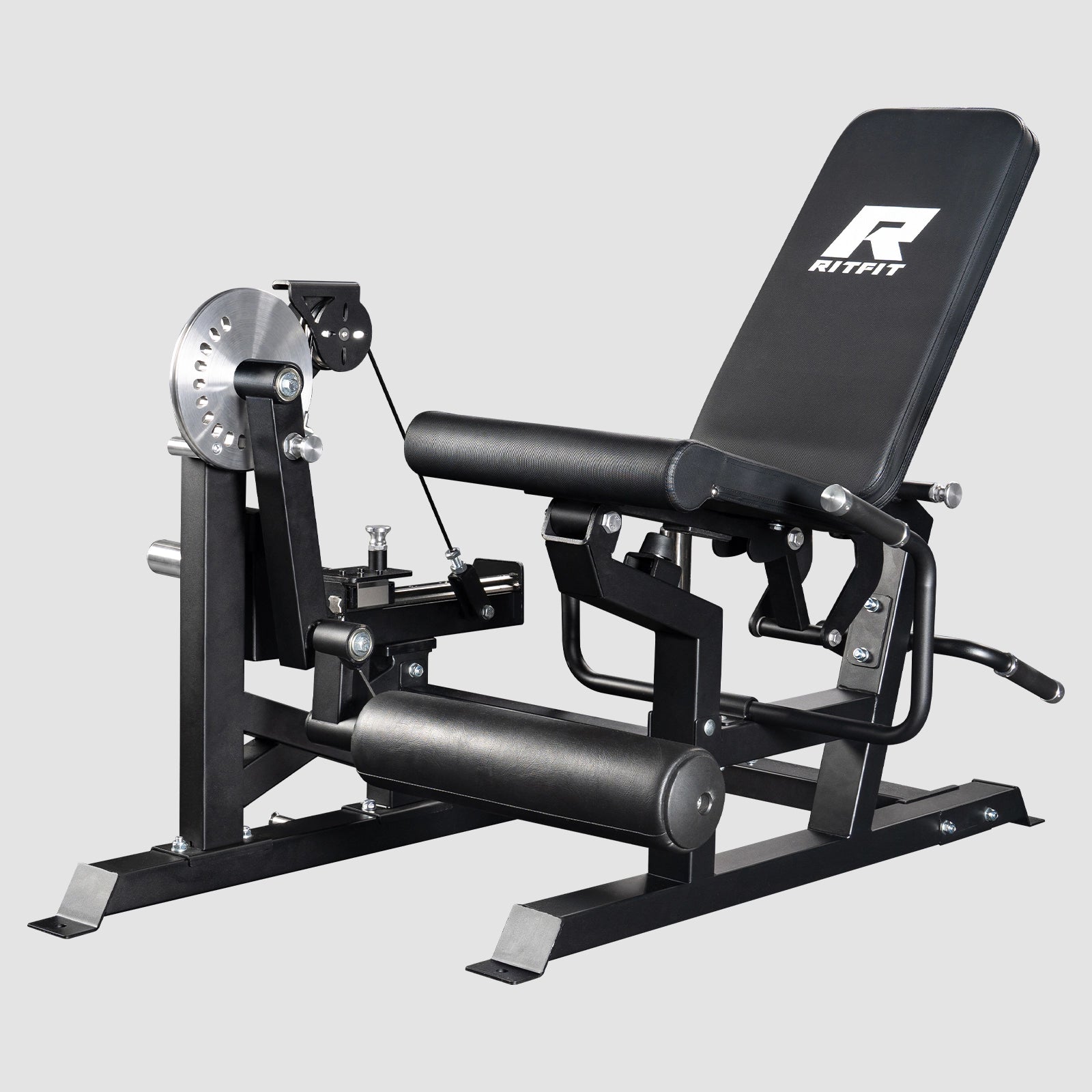
- Leg holder attachment: The RitFit LHM1 leg holder attachment supports seated and leg supported work.
If you want built-in plates from day one, compare the M1 PRO weight stack package with the complete M1 PRO home gym package. Our M1 PRO package guide compares the options in detail.
"Few pieces of equipment in the home exercise industry are as comprehensive and versatile as this all-in-one gym system. The robust system provides a natural, centered bar path for compound lifts like squats, presses, and deadlifts."
Tom Eskey, CF-L1, CPT, Home Gym Equipment Reviewer, Garage Gym Revisited, RitFit M1 Multi-functional Smith Machine, Our Review
"Easy to install. All parts came in great condition. I love this machine"
Johnathan M. Verified Buyer, RitFit M1 PRO Smith Machine Weight Stack Home Gym Package
What Usually Does Not Qualify
Qualification is not guaranteed for every customer or purchase, and Truemed states it depends on your survey responses and an independent licensed clinician's determination. Purchases made purely for general fitness usually stay nonmedical.
- General fitness buys: A purchase made solely to stay in shape, without a diagnosed condition behind it, does not meet the medical expense test.
- Thin documentation: A claim submitted without the survey record, letter, or itemized receipt gives your administrator nothing to verify.
- Assumed coverage: Assuming a card swipe alone proves eligibility can create a reimbursement problem later, so confirm before you pay.
If you are still weighing the machine itself, our value focused guide on all-in-one home gyms frames the question outside the tax lens.
Documents to Keep Before You Buy
A short document set protects your purchase and any future claim. Gather these items before you order and keep them until any reimbursement claim is fully closed.
- Survey record: Your completed health survey answers, with the date you submitted them.
- Letter of medical necessity: The clinician issued letter, kept with the issuing clinician's details.
- Receipts: The itemized receipt, order confirmation, and payment record.
- Administrator correspondence: Any plan documents or claim messages from your HSA or FSA administrator.
- Machine details: The product page and specifications you relied on, which our M1 PRO buying guide collects in one place.
Store the set with your plan documents so the file is complete before the machine arrives.
FAQs About the RitFit M1 PRO and HSA or FSA Eligibility
Is the RitFit M1 PRO HSA or FSA eligible by default?
No. Exercise equipment is not automatically eligible under IRS rules because purchases made merely for general health are not medical expenses. The M1 PRO becomes potentially eligible only when a clinician connects it to a specific diagnosed condition through a health survey and a letter of medical necessity.
What situations could support an M1 PRO purchase?
Potentially qualifying situations include a prescribed strength plan after injury or surgery, management of a diagnosed condition such as osteoporosis or sarcopenia, and mobility limitations that make guided bar path training appropriate. The specific condition must come from your health survey and be confirmed by the reviewing clinician.
How does payment work at checkout?
If a payment provider such as Truemed is available at checkout you select it and complete a health survey, then pay directly with your HSA or FSA card if you qualify. If it is not available, you pay with any card, complete the survey, and submit the letter of medical necessity for reimbursement.
What if my claim is denied?
A denied claim means the reviewing clinician did not find a qualifying connection between your purchase and a diagnosed condition. You keep the machine and any regular payment stands. You can ask your HSA or FSA administrator what documentation would be needed to support a future claim.
Can I use FSA funds from my employer plan?
Yes, if the purchase qualifies. FSAs are employer-sponsored accounts with limited rollover, and the same letter of medical necessity logic applies. Confirm your plan year deadline because unused FSA balances often expire, and submit reimbursement claims within your administrator window after completing the health survey.
Conclusion
The RitFit M1 PRO is not HSA or FSA eligible by default, yet a clinician guided letter of medical necessity may make the purchase potentially eligible. Run the survey, keep your records together, and pay or seek reimbursement through your administrator.
Confirm plan rules before ordering, and keep expectations conservative. For current RitFit promotions, check the RitFit discount guide before you check out.
Disclaimer
This article summarizes published IRS guidance and a payment provider's publicly described process for general information only and does not provide tax, legal, or medical advice. Eligibility depends on your plan administrator and a licensed clinician, so confirm your situation with them before you buy.
References
1. Peterson MD, Rhea MR, Sen A. Resistance exercise for muscular strength in older adults: a meta-analysis. Ageing Res Rev. 2010. PMCID: PMC2892859
2. Liu CJ, Latham NK. Progressive resistance strength training for improving physical function in older adults. Cochrane Database Syst Rev. 2009. PMCID: PMC4324332
3. Borde R, Hortobagyi T, Granacher U. Dose-Response Relationships of Resistance Training in Healthy Old Adults: A Systematic Review and Meta-Analysis. Sports Med. 2015. PMCID: PMC4656698