








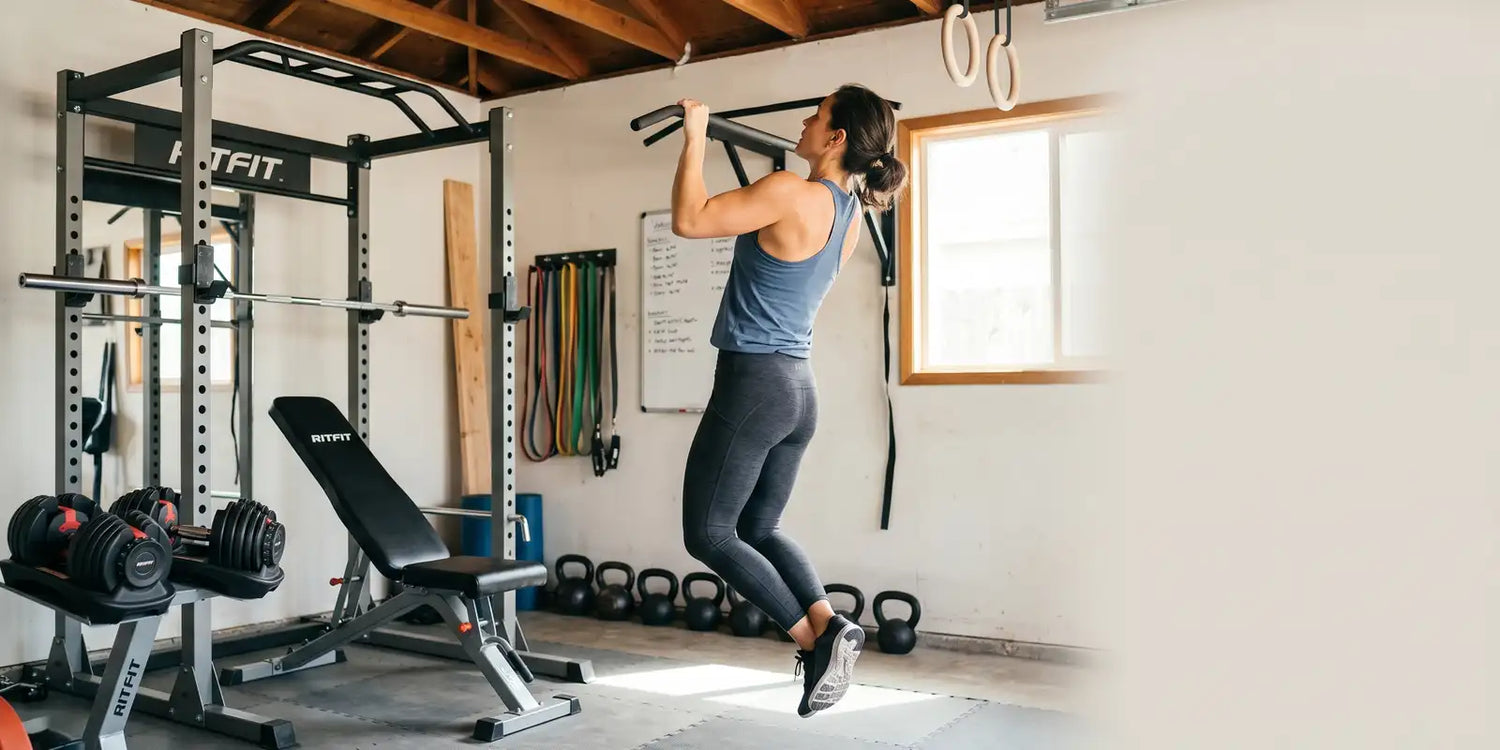
A calisthenic workout is strength training that uses your own bodyweight as resistance, with movements like push-ups, pull-ups, squats, and planks. This guide explains how it works, what it builds, and how to start safely.
It is written for beginners and general fitness searchers who want results with little or no equipment. If you have an injury or health condition, speak with a healthcare professional before starting.
Quick Answer: A calisthenic workout is strength training that uses your own bodyweight as resistance, with movements like push-ups, pull-ups, squats, and planks. It builds strength, endurance, and coordination with little or no equipment, and it scales from knee push-ups to advanced moves like muscle-ups and handstands.
Key Takeaways
- Definition: Calisthenics is strength training that uses your bodyweight as resistance, needing little or no equipment.
- It builds real muscle: A study found push-up training at a low load matched bench press for strength and size gains over eight weeks.
- Beginner friendly: Most moves scale down to knee push-ups, assisted squats, and short holds.
- Progress by difficulty: You add reps, slow the tempo, or pick harder variations instead of adding weight.
- Train smart: Two to three full-body sessions per week, with clean form and rest between sets, drives steady gains.
What Is a Calisthenic Workout?
A calisthenic workout is strength training that uses your own bodyweight and gravity as resistance instead of external weights. The term comes from the Greek words kalos and sthenos, meaning beauty and strength.
Familiar moves like squats, push-ups, lunges, and planks all count as calisthenics. You can do them at home, outdoors, or in a gym, which makes the method flexible for almost any setting.
- Resistance source: Your body mass and limb position create the load, not plates or machines.
- Skill range: Movements span from beginner squats to advanced muscle-ups and handstands.
How Does Calisthenics Build Strength?
Calisthenics builds strength by forcing your muscles to control and move your bodyweight through pushing, pulling, squatting, and bracing patterns. These compound movements train several muscle groups at once, which is why a single routine can cover your whole body.
You apply progressive overload not by adding plates but by changing leverage, range of motion, and tempo. Slower reps and harder variations increase the demand on the same muscles.
- Compound patterns: Push, pull, squat, and core moves recruit large muscle groups together.
- Mind muscle connection: Controlled reps improve activation and movement quality over time.
- Carryover to other sports: Bodyweight control and joint strength transfer well to barbell training and daily movement.
This is why calisthenics suits both beginners building a base and athletes refining control. To round out pulling strength, many people pair it with resistance band exercises you can do at home.
What Are the Benefits of Calisthenics?
Calisthenics improves strength, muscle size, endurance, and coordination while needing little equipment. Evidence shows it can rival weight training for some goals, and the benefits hold across many fitness levels and settings.
A study found push-up training at a load similar to 40% of a bench press one-rep max produced muscle thickness and strength gains comparable to bench pressing over an 8-week period[1]. Bodyweight pushing can clearly build the upper body.
- Comparable strength: In one six-week trial of sedentary young women, progressive bodyweight squats matched barbell back squats for strength and muscle thickness gains, though barbell training cut more body fat[2].
- Function and balance: A four-week preliminary study found short calisthenics sets during the workday raised knee extensor strength, force steadiness, and dynamic balance in healthy adults[3].
- Convenience: Sessions need no gym, fit any schedule, and cost nothing to start.
For fat loss, calisthenics works best alongside a sensible diet and overall activity, and bands can extend it further. See gain muscle with resistance bands.
Which Exercises Should Beginners Start With?
Beginners should start with one movement from each basic pattern, push, pull, squat, and core. This covers the whole body and builds a foundation before any advanced skill work.
- Push: Push-ups train the chest, shoulders, and triceps. Start with incline or knee push-ups if a full one is too hard.
- Pull: Train to do a pull-up at home using bands or rows until you can lift your full bodyweight.
- Squat: Bodyweight squats build the legs and glutes. Reduce depth or hold a support to scale them down.
- Core: Planks build trunk stability. Drop to your knees or shorten the hold to make them easier.
- Push variation: Dips workout moves add chest and triceps once you are ready.
The video below walks through how to start calisthenics and progress these foundational movements.
How Do You Build a Beginner Calisthenic Workout?
You build a beginner calisthenic workout by combining one push, one pull, one squat, and one core exercise into a full-body circuit. Aim for 8 to 12 reps per exercise when training for strength.
Start with one set per exercise and work up to three sets as you get stronger. Rest 30 to 90 seconds between sets and keep your form clean throughout.
- Frequency: Two to three sessions per week, with at least a rest day between them, lets muscles recover and adapt.
- Warm up: Spend 5 to 10 minutes preparing your joints and raising your heart rate before training.
- Structure: Move through the circuit, then repeat it two more times once you can manage the reps.
If you want more zero-equipment ideas, browse our bodyweight workouts for variety.
How Do You Progress and When Should You Add Load?
You progress in calisthenics by making each movement harder before adding any external load. The goal is to keep challenging the same muscles as they adapt to your bodyweight.
Add reps, slow the tempo to increase time under tension, shorten rest, or pick a harder variation such as a single-leg squat or decline push-up. These changes drive new gains without any equipment.
- When to add load: Once bodyweight variations feel easy for clean sets, add resistance with a band, vest, or held weight.
- Bands help both ways: Learn what resistance bands help with for assisting hard moves or adding tension.
- Track progress: Log reps and variations so you can see steady improvement over weeks.
What Mistakes Should Beginners Avoid?
The most common beginner mistake is chasing advanced skills before mastering clean basic reps. Rushing progressions raises injury risk and slows real strength development.
Stop any movement that causes sharp or joint pain and work within your limits. If you have a previous injury or health condition, talk with a healthcare professional before starting.
- Skipping the warm up: Cold muscles and joints are more prone to strain.
- Poor form: Sloppy reps reduce results and increase injury risk, so prioritize control over speed.
- Ego progression: Add difficulty only when you own your current variation.
What Equipment Actually Helps?
You need no equipment to begin calisthenics, since bodyweight moves require only space. As you advance, a few affordable tools expand your options and let you adjust resistance.
- Resistance bands: Our resistance bands assist early pull-ups and add tension to pushes and squats.
- Pull-up bar: A bar unlocks pulling progressions, and a multi-grip pull-up bar attachment varies your grip.
- Assist bands: See how pull-up bands support your first reps.
Parallettes and dip stations are useful later, but none of these are required to make progress when starting out.
"Calisthenics exercises build full-body strength, stability, and control using functional compound movement patterns like squats, pullups, lunges, pushups, and more."
Jay Maryniak, trainer and functional fitness expert, Men's Health
FAQs About Calisthenic Workouts
What is a calisthenic workout?
A calisthenic workout is a form of strength training that uses your own bodyweight as resistance instead of external weights. Movements like push-ups, pull-ups, squats, and planks build strength, endurance, and coordination. You can do calisthenics almost anywhere with little or no equipment, making it accessible for beginners and adaptable to any fitness level.
Can you build muscle with calisthenics alone?
Yes. You can build muscle with calisthenics. One study found push-up training at a load similar to forty percent of a bench press one-rep max produced muscle and strength gains comparable to bench pressing over eight weeks. As you get stronger, you increase difficulty with harder variations, slower reps, or added resistance to keep progressing.
Is calisthenics good for complete beginners?
Yes. Calisthenics suits beginners because most movements can be scaled to your level. You can start with knee push-ups, assisted squats, or short plank holds, then progress as you get stronger. Begin with one set per exercise and work toward three sets, resting thirty to ninety seconds between sets while focusing on clean, controlled form.
What equipment do you need for calisthenics?
You need no equipment to begin calisthenics, since bodyweight movements like squats, push-ups, and planks require only space. As you advance, optional tools such as a pull-up bar, resistance bands, or parallettes expand your exercise options and let you add or reduce resistance. Resistance bands are especially useful for assisting early pull-ups and progressing safely.
How often should beginners do calisthenics?
Beginners can start with two to three calisthenics sessions per week, leaving at least a day of rest between sessions so muscles can recover and adapt. Full-body routines work well early on because they train pushing, pulling, squatting, and core patterns in one session. Increase frequency or volume gradually as your strength and recovery improve.
Conclusion
A calisthenic workout uses your bodyweight to build real strength, muscle, and coordination with little or no equipment. Start with one push, pull, squat, and core movement, scale each to your level, and train two to three times per week.
Progress by making moves harder before adding load, and add bands or a bar when you are ready. Focus on clean form, rest when something hurts, and browse RitFit home gym sales to add the equipment that supports your next level of progress.
Disclaimer
This article is for general educational purposes only and is not medical or professional training advice. Consult a qualified healthcare professional before starting any new exercise program, especially if you have an injury or health condition.
References
1. Kikuchi N, Nakazato K. Low-load bench press and push-up induce similar muscle hypertrophy and strength gain. J Exerc Sci Fit. 2017;15(1):37-42. doi:10.1016/j.jesf.2017.06.003. PMCID: PMC5812864
2. Wei W, Zhu J, Ren S, et al. Effects of progressive body-weight versus barbell back squat training on strength, hypertrophy and body fat among sedentary young women. Sci Rep. 2023;13(1):13505. doi:10.1038/s41598-023-40319-x. PMCID: PMC10439966
3. Mear E, Gladwell VF, Pethick J. The Effect of Breaking Up Sedentary Time with Calisthenics on Neuromuscular Function: A Preliminary Study. Int J Environ Res Public Health. 2022;19(21). doi:10.3390/ijerph192114597. PMCID: PMC9653850





