The best dumbbell chest exercises build more muscle when you combine heavy presses, smart bench angles, and controlled isolation work. Dumbbells also fit home gyms well because they train each side independently, improve stability, and work with or without a bench.
Key Takeaways
- Dumbbells are enough for serious chest growth: You can build size and strength with presses, flyes, floor work, and progressive overload.
- Flat and incline pressing should lead the workout: These variations give you the best mix of overload, stretch, and long term progression.
- Low incline usually works best for upper chest focus: Most lifters get a better upper chest stimulus at 15 to 30 degrees than at steeper angles.
- Flyes are best used as secondary work: They are valuable for stretch and tension, but they should not replace your main press.
- Technique decides whether you feel chest or shoulders: Scapular position, elbow path, load selection, and range control matter more than chasing heavy dumbbells.
Why Dumbbell Chest Training Works
Dumbbell chest training works because it gives you a large exercise menu, a strong stretch stimulus, and side to side control that fixed bars cannot fully match. It is also easier to adapt for home gyms, beginners, and lifters who want a more joint friendly pressing path.
- Better movement freedom: Your hands can move along a more natural path, which often feels smoother on the shoulders and wrists.
- More unilateral demand: Each arm must control the load on its own, which helps expose strength gaps and improve balance.
- Useful range options: You can press on a flat bench, low incline, decline setup, or the floor, depending on equipment and comfort.
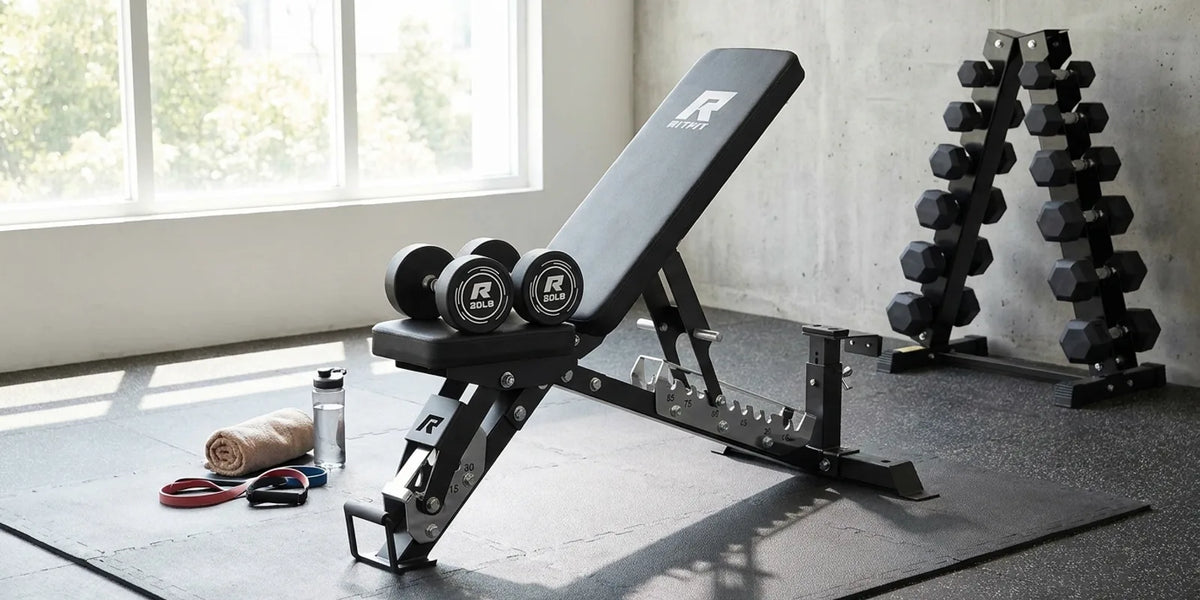
- Home gym friendly: A pair of RitFit dumbbells plus a bench can cover most chest training needs.
Chest Muscles Worked During Dumbbell Chest Exercises
Dumbbell chest exercises mainly train the pectoralis major, while the anterior deltoids, triceps, and serratus anterior help support the movement. Bench angle, elbow path, grip style, and exercise choice decide which fibers get the most tension.
- Pectoralis major: This is the main chest muscle, with upper clavicular fibers and mid to lower sternal fibers.
- Anterior deltoids: The front delts assist pressing, especially when the bench gets too steep.
- Triceps: The triceps help finish every pressing rep and matter more when loads get heavier.
- Serratus anterior and stabilizers: These muscles help control the shoulder blade and keep the press stable.
Best Dumbbell Chest Exercises
Flat Dumbbell Bench Press
The flat dumbbell bench press is the best overall dumbbell chest exercise for building size and strength because it lets you use meaningful load through a long and controllable range. It should be the foundation of most dumbbell chest workouts.
- Target: Mid chest, overall pressing strength, and total chest mass.
- How to do it: Lie on a bench, pull your shoulder blades back and down, press the dumbbells above the chest, then lower under control until your elbows reach a comfortable depth.
- Best use: Put this first when your goal is overload and progressive strength.
- Form tip: Keep your elbows slightly tucked instead of flaring straight out.
Incline Dumbbell Bench Press
The incline dumbbell bench press is the best dumbbell press for emphasizing the upper chest, especially when the bench stays low rather than steep. Research found that 30 degrees produced the highest activation of the upper portion of the pectoralis major, while steeper angles shifted more work to the anterior deltoid.[1]
- Target: Upper chest and front delts.
- How to do it: Set the bench to about 15 to 30 degrees, press over the upper chest, and lower until you feel a deep but controlled stretch.
- Best use: Place this after flat pressing or first if upper chest is the priority.
- Form tip: If you mostly feel shoulders, lower the incline before changing the exercise.
Decline Dumbbell Bench Press
The decline dumbbell bench press can help shift emphasis lower on the chest while also feeling smoother for some lifters who struggle to keep tension off the shoulders. It is not mandatory, but it is useful if you have the setup and like the groove.
- Target: Lower chest and pressing strength in a more downward angle.
- How to do it: Secure yourself on a decline bench, press over the lower chest, and control the descent without letting the shoulders roll forward.
- Best use: Rotate it in when you want variety or a lower chest bias.
- Form tip: A strong foot lock and slow lowering phase improve control.
Dumbbell Floor Press
The dumbbell floor press is the best chest dumbbell exercise when you train at home without a bench or want a shoulder friendlier pressing range. The floor shortens the bottom position, which reduces excessive stretch and makes the movement easier to control.
- Target: Mid chest, triceps, and lockout strength.
- How to do it: Lie on the floor, press above the chest, and lower until the upper arms lightly touch the ground before driving back up.
- Best use: Use it in no bench workouts or when deep pressing aggravates the shoulders.
- Form tip: Pause briefly on the floor instead of bouncing.
Dumbbell Chest Fly
The dumbbell chest fly is best used as a secondary exercise for stretch, lengthened tension, and chest isolation rather than as your main strength movement. Research comparing barbell bench press and dumbbell flyes concluded that both can be included in training, but the bench press should be emphasized because it produced higher overall muscle activation.[3]
- Target: Chest stretch, chest shortening, and mind muscle connection.
- How to do it: Start with the dumbbells above the chest, keep a soft elbow bend, open the arms in an arc, then bring them back together without turning the rep into a press.
- Best use: Place it after presses in a moderate to high rep range.
- Form tip: Stop the descent when the chest is stretched, not when the shoulders lose position.
Incline Dumbbell Fly
The incline dumbbell fly adds upper chest bias to a stretch focused movement, which makes it a good complement to incline pressing. It works best with lighter loads, slower tempo, and a shorter ego free range.
- Target: Upper chest isolation and controlled lengthened tension.
- How to do it: Use a low incline, open the arms gradually, and squeeze back to the start while keeping the ribcage stable.
- Best use: Add it near the end of a workout when upper chest is lagging.
- Form tip: Lighter dumbbells usually improve chest feel more than heavier ones here.
Single Arm Dumbbell Bench Press
The single arm dumbbell bench press is excellent for fixing side to side differences while also forcing more trunk control. It is a smart variation when one arm dominates standard pressing or when you want more stability work without changing equipment.
- Target: Chest, triceps, and anti rotation core stability.
- How to do it: Press one dumbbell while the free side stays braced, and keep both feet planted so the torso does not twist off the bench.
- Best use: Put it after your main press for extra unilateral work.
- Form tip: Lower the load more than you think, because balance becomes the limiter fast.
Dumbbell Pullover
The dumbbell pullover trains the chest and lats together, which makes it useful as a bridge movement between pressing and upper body accessory work. It is not a main chest builder, but it can add stretch, ribcage control, and variety.
- Target: Chest, lats, and shoulder extension patterning.
- How to do it: Hold one dumbbell with both hands, lower it behind the head with soft elbows, then pull it back to the start without losing trunk tension.
- Best use: Use it late in the workout for variety and stretch based accessory work.
- Form tip: Stay within the range you can control, because mobility limits differ widely.
Accessory Dumbbell Chest Variations That Add Value
Accessory variations help you keep chest training productive when shoulder comfort, home equipment, or lighter dumbbells limit your options. They are not replacements for your main presses, but they can improve tension quality and exercise adherence.
- Neutral grip dumbbell press: This often feels more shoulder friendly because the elbows stay closer to the torso.
- Squeeze press: Press the dumbbells together throughout the rep to increase constant chest tension.
- Paused dumbbell press: Add a one second pause at the bottom to improve control and reduce sloppy rebounds.
- Tempo press: Slow eccentrics make lighter dumbbells harder without needing extra equipment.
- Bridge floor press: This is a practical no bench option if you want a slight decline style angle at home.
How to Program a Dumbbell Chest Workout for Muscle Growth
Dumbbell chest workouts should start with your heaviest press, continue with a second angle, and finish with controlled isolation work. Evidence supports muscle growth across a broad loading spectrum, as long as the sets are hard enough and progressively overloaded over time.[2]
- Frequency: Train chest one to two times per week depending on recovery and total upper body volume.
- Main press reps: Most lifters do well with about 6 to 10 reps on flat or incline presses.
- Accessory reps: Flyes, squeeze presses, and pullovers usually work better in the 10 to 15 rep range.
- Weekly volume: Start moderate, recover well, and add sets only when performance remains stable.
- Exercise order: Heavy press first, second press next, stretch and tension work last.
Sample Dumbbell Chest Workout With a Bench
A flat plus incline combination is practical because research has specifically examined horizontal and incline bench press training as drivers of neuromuscular adaptation, which supports keeping more than one pressing angle in your plan over time.[4]
- Flat Dumbbell Bench Press: 3 to 4 sets of 6 to 10 reps.
- Incline Dumbbell Bench Press: 3 sets of 8 to 12 reps.
- Dumbbell Chest Fly: 2 to 3 sets of 10 to 15 reps.
- Squeeze Press: 2 sets of 12 to 15 reps.
Sample No Bench Dumbbell Chest Workout
You can still build chest at home without a bench if you keep the presses hard and the accessory work controlled. The floor press should lead because it is the easiest no bench pattern to overload safely.
- Dumbbell Floor Press: 4 sets of 8 to 12 reps.
- Single Arm Floor Press: 3 sets of 8 to 10 reps each side.
- Bridge Squeeze Press: 3 sets of 10 to 15 reps.
- Dumbbell Pullover: 2 to 3 sets of 10 to 12 reps.
Technique Tips That Make Dumbbell Chest Exercises Safer and More Effective
Most chest training problems come from poor shoulder position, bad load selection, or trying to force depth you cannot control. Good technique should make the chest do the work instead of turning the movement into a shoulder dominant press.
- Set the shoulder blades first: Pull them back and down before every rep set begins.
- Use a chest friendly elbow path: Keep the elbows slightly tucked rather than locked into a wide flare.
- Control the lowering phase: Faster eccentrics usually reduce tension quality and joint control.
- Keep wrists stacked: Let the wrist stay above the elbow so force transfers cleanly.
- Choose pain free depth: More range is useful only when you can own the position.
- Use the right bench angle: Most upper chest work feels better at a low incline than at a steep one.
Progression Strategies for Long Term Chest Growth
The best progression strategy is still simple, add weight, add reps, add sets slowly, or improve rep quality before changing everything at once. Advanced methods such as tempo manipulation can help when load is limited, but they should support the basics rather than replace them.[5]
- Add reps first: Reach the top of your rep range before increasing the dumbbell load.
- Track total work: Write down sets, reps, load, and how each exercise feels.
- Slow the eccentric: Use a three second lowering phase when your dumbbells are too light for straight overload.
- Pause weak positions: A short bottom pause can improve control and remove momentum.
- Rotate angles, not goals: Keep the goal as chest growth, then rotate flat, incline, and floor patterns as needed.
Common Mistakes With Chest Dumbbell Exercises
The most common dumbbell chest mistakes are pressing with the shoulders, treating flyes like heavy presses, and jumping between too many variations without progression. Most of these errors are easy to fix once you simplify the workout and control the movement better.
- Using too much weight: Heavy dumbbells do not help if they destroy the line of pull.
- Setting the incline too high: This often turns upper chest work into front delt work.
- Overstretching flyes: More stretch is not better when the shoulder joint loses position.
- Ignoring unilateral differences: One side can quietly take over if you never use single arm work.
- Changing exercises every week: Muscle growth needs progression, not constant novelty.
- Skipping setup quality: Chest training starts before the first rep, not after it goes wrong.
Who Should Prioritize Dumbbell Chest Training
Dumbbell chest training is especially useful for home gym lifters, beginners, and anyone who wants more freedom than a fixed bar path provides. It is also valuable for lifters who need simpler equipment, smoother pressing mechanics, or better side to side control.
- Home gym users: Pairing dumbbells with a bench creates a complete chest setup in a small space.
- Upper chest focused lifters: A low incline setup plus the right programming solves many stubborn upper chest problems.
- Bench buyers: A stable RitFit Gator adjustable weight bench or RitFit 1300LB adjustable weight bench expands your pressing and fly options immediately.
- Readers comparing related guides: You can deepen the topic with best dumbbell exercises for the upper chest, dumbbell chest exercises with a bench, and this bench workout routines guide.
- Small space shoppers: Choosing the best weight bench for small spaces makes dumbbell chest training easier to sustain at home.
- Budget conscious buyers: This best adjustable weight bench under 500 guide is useful if you want more pressing options without overspending.
FAQs
What are the best dumbbell chest exercises for overall chest growth?
The best dumbbell chest exercises for overall chest growth are the flat dumbbell bench press, incline dumbbell press, and dumbbell chest fly. These movements cover heavy pressing, upper chest emphasis, and stretch focused isolation, which makes them a strong combination for size, balance, and long term progress.
Can dumbbell chest exercises build muscle without a barbell?
Yes. Dumbbell chest exercises can build serious muscle without a barbell if you train hard, use enough weekly volume, and apply progressive overload. Dumbbells also let each side work independently, which can improve control, expose strength gaps, and make home training far more effective.
What is the best incline angle for dumbbell chest exercises?
The best incline angle for most dumbbell chest exercises is usually 15 to 30 degrees. That range tends to keep more tension on the upper chest, while steeper angles often shift more work to the front delts and reduce the chest dominant feel many lifters want.
Are dumbbell chest fly exercises bad for your shoulders?
No. Dumbbell chest fly exercises are not automatically bad for your shoulders, but they can become risky if you lower too far, use too much weight, or lose control. A soft elbow bend, a moderate stretch, and slower reps usually make flyes feel safer and more productive.
How heavy should dumbbells be for chest exercises?
Your dumbbells should be heavy enough to make the target rep range challenging while still letting you control every rep. Most lifters do best when presses end with one to three reps in reserve, while flyes and squeeze presses stay lighter for better tension and joint comfort.
How often should I do dumbbell chest exercises each week?
Most people should do dumbbell chest exercises one to two times per week, depending on recovery, experience, and total pressing volume. Training twice weekly often works well for muscle growth because it spreads quality sets across the week and gives you more chances to improve execution.
What should I do if I feel dumbbell chest exercises more in my shoulders than my chest?
If you feel dumbbell chest exercises more in your shoulders than your chest, lower the bench angle, tuck your elbows slightly, and keep your shoulder blades pulled back and down. You should also reduce load, slow the lowering phase, and stop short of painful end ranges.
Do I need a bench for effective dumbbell chest exercises at home?
No. You do not need a bench for effective dumbbell chest exercises at home, because floor presses, pullovers, and squeeze presses can still train the chest well. A bench does expand exercise options and range, but solid progress is still possible with a simple dumbbell setup.
Conclusion
Dumbbells are one of the best tools for chest growth because they let you combine overload, range, control, and flexibility in one simple setup. Pick a flat press, an incline press, and one isolation movement, then progress them consistently for the next 8 to 12 weeks.
Disclaimer: This article is for general fitness education only and does not replace medical advice, diagnosis, or individualized coaching. If a dumbbell chest exercise causes sharp pain, numbness, or ongoing joint irritation, stop the movement and consult a qualified healthcare or training professional.
References
- Rodríguez-Ridao D, Antequera-Vique JA, Martín-Fuentes I, Muyor JM. Effect of Five Bench Inclinations on the Electromyographic Activity of the Pectoralis Major, Anterior Deltoid, and Triceps Brachii during the Bench Press Exercise. Int J Environ Res Public Health. 2020;17(19):7339. doi:10.3390/ijerph17197339
- Schoenfeld BJ, Grgic J, Van Every DW, Plotkin DL. Loading Recommendations for Muscle Strength, Hypertrophy, and Local Endurance: A Re-Examination of the Repetition Continuum. Sports (Basel). 2021;9(2):32. doi:10.3390/sports9020032
- Solstad TEJ, Andersen V, Shaw MP, Hoel EM, Vonheim A, Saeterbakken AH. A Comparison of Muscle Activation between Barbell Bench Press and Dumbbell Flyes in Resistance-Trained Males. J Sports Sci Med. 2020;19(4):645-651.
- Chaves SFN, Rocha-Júnior VA, Encarnação IGA, Martins-Costa HC, Freitas EDS, Coelho DB, et al. Effects of Horizontal and Incline Bench Press on Neuromuscular Adaptations in Untrained Young Men. Int J Exerc Sci. 2020;13(6):859-872.
- Krzysztofik M, Wilk M, Wojdała G, Gołaś A. Maximizing Muscle Hypertrophy: A Systematic Review of Advanced Resistance Training Techniques and Methods. Int J Environ Res Public Health. 2019;16(24):4897. doi:10.3390/ijerph16244897