Can you buy a leg extension machine with HSA or FSA funds?
Potentially, but not automatically.
IRS guidance separates general fitness gear from equipment tied to a diagnosed condition, and that difference decides whether your payment or reimbursement goes through.
This guide explains the IRS rule, the rehab niche that may connect a leg extension purchase to a medical plan, the Letter of Medical Necessity process, and which RitFit machines to consider if you qualify.
Quick Answer: Leg extension HSA eligible? Potentially, but only when a diagnosed medical condition and a Letter of Medical Necessity connect the machine to alleviating or preventing an illness or injury, because purchases made merely for general fitness do not qualify under IRS guidance.
Key Takeaways
- Eligibility is conditional: a leg extension machine is not HSA or FSA eligible by default, and no model or brand is pre-approved.
- The IRS test: medical expenses must be primarily to alleviate or prevent a physical or mental disability or illness, and items merely beneficial to general health do not count.
- The rehab connection: seated leg extensions are used in supervised knee rehabilitation for isolated quadriceps loading, which is the machine-specific medical hook.
- The process: a health survey, an independent licensed clinician review, and a Letter of Medical Necessity precede payment or reimbursement.
- Documentation decides: keep the survey confirmation, the letter, and the itemized receipt, because missing paperwork can stall a claim.
Is a Leg Extension Machine HSA or FSA Eligible?
A leg extension machine is not automatically HSA or FSA eligible when you buy it for general fitness. It becomes potentially eligible when the purchase connects to a diagnosed medical condition, documented through a Letter of Medical Necessity.
- Default status: IRS guidance treats equipment bought merely for general health as a non-medical expense, so a fitness-driven purchase runs the risk of denial.
- The qualifying path: a diagnosed condition, a health survey, and an independent licensed clinician review turn the same machine into potentially eligible equipment.
- Where the machine fits: rehabilitation settings commonly use seated leg extensions for isolated quadriceps work after knee surgery or injury, which is why this machine has a real medical niche.
If you are new to this type of equipment, start with the primer on what is a leg extension machine before sorting out payment.
"Love how I can do different exercises in one machine. I love my Ritfit leg extension."
Steven J. Verified Buyer, RitFit PLC01 Leg Extension Curl Machine
What the IRS Rules Say About Exercise Equipment
IRS guidance separates general fitness spending from medical care. An expense is medical when its primary purpose is to alleviate or prevent a physical or mental disability or illness, and items merely beneficial to general health do not count.
According to IRS guidance, expenses must be primarily to alleviate or prevent a physical or mental disability or illness, and expenses that are merely beneficial to general health are not medical expenses.
For a leg extension machine, the practical test is purpose and documentation rather than the item itself. The same frame can be general fitness gear in one household and potentially eligible equipment in another, if the medical connection is documented.
The full breakdown lives in our cluster hub on whether you can use HSA or FSA funds for exercise equipment, which this article builds on rather than repeats.
Why a Leg Extension Machine May Support a Medical Plan
A leg extension machine may support a medical plan because it isolates the quadriceps in a seated, open-chain movement. That isolated loading is exactly what many knee rehabilitation programs need after injury or surgery.
- Knee-pain compensations: one physiotherapy education resource explains that in single-leg form the seated leg extension forces load through the quadriceps, which matters when patients with knee pain compensate by shifting load to the hips or the other leg.
- Post-surgery rebuilding: rehabilitation settings commonly use seated leg extension machines for isolated quadriceps strengthening after knee surgery and injury, under professional supervision.
- Patellar tendinopathy rehabilitation: the same resource cites tendon researcher Jill Cook's argument that patellar tendinopathy rehabilitation relies on a seated leg extension machine.
These scenarios describe where clinicians use the movement, not a promise that any purchase will qualify. Your clinician decides whether isolated quadriceps work belongs in your plan.
"In the leg extension machine, when performed as a single leg variant, patients are forced to put load through their quadriceps."
Kai Sigel, Co-Founder and CEO of Physiotutors, Physiotutors
What the Evidence Says About Strengthening and Knee Health
Research suggests that progressive strength training may support knee health, and trials have examined this question directly in people with knee osteoarthritis. Joint response still varies by person and condition, so loading decisions belong to your clinician.
- Cartilage health: a sham-exercise controlled trial studied resistive exercise targeting arthritic cartilage health in older adults.[1]
- High-intensity strength training: a randomized clinical trial examined high-intensity strength training among adults with knee osteoarthritis, measuring knee pain and knee joint compressive forces.[2]
- Functional outcomes: a randomized controlled trial studied progressive resistance strength training in knee osteoarthritis, tracking body mass index, quality of life, and functional capacity.[3]
- Joint stress by movement: according to the physiotherapy resource's summary of a 2014 study it cites, patellofemoral joint stress was higher in the squat than in the seated leg extension in the 90 to 45 degree range of knee flexion.
Research suggests progressive strengthening can be part of knee care, but the evidence does not make the leg extension universally safe for every sore knee. A clinician can advise on range of motion and loading for your specific situation before you buy.
How the Letter of Medical Necessity Works for a Leg Extension Purchase
A Letter of Medical Necessity is the document that connects your leg extension purchase to a diagnosed condition. Per the provider's published process, a health survey starts the review and an independent licensed clinician issues the letter if you qualify.
- Step 1, the survey: complete a health survey, at checkout when the provider is integrated, or before you buy.
- Step 2, the clinician review: if your answers support it, an independent licensed clinician issues the Letter of Medical Necessity for the purchase.
- Step 3, payment: pay with your HSA or FSA card at a checkout that supports the flow.
- Alternative path: per the provider's published process, if the service is not at checkout you can pay with any card, complete the survey, and submit the letter to your administrator for reimbursement.
The provider reports more than 3,000 health brands on its marketplace, so the model is now common for home gym and recovery purchases. Our general walkthrough of how to buy HSA-approved exercise equipment covers this flow in full.
How to Pay With Your HSA or FSA Card or Get Reimbursed
You can pay with your HSA or FSA card at a checkout that supports health payment, or pay with any card and submit for reimbursement afterward. Truemed reports that qualified customers save an average of 30 percent on eligible health purchases.
Its worked example estimates $160 saved on a $500 purchase at a 32% tax bracket, so your actual figure depends on your bracket rather than on the equipment.
- At checkout: if the payment flow is integrated, the survey and clinician review happen first and the HSA or FSA card covers the purchase directly.
- Reimbursement later: pay with any card, keep the survey and letter, and submit the package to your administrator for repayment.
Because eligibility is not guaranteed, treat the machine as potentially eligible until your clinician signs off. Never assume the card will go through without the letter.
For the full savings math and the RitFit checkout path, see how to use HSA or FSA funds for eligible RitFit equipment.
What Usually Does Not Qualify
A leg extension machine usually does not qualify when the purchase serves general fitness alone. IRS guidance treats items that are merely beneficial to general health as non-medical expenses.
- Fitness-first purchases: buying for conditioning or physique goals with no diagnosed condition falls outside the medical expense definition.
- Documentation after the fact: paying first and arranging the survey and clinician letter later weakens your paper trail and raises the denial risk.
- Assumed approval: qualification is not guaranteed for every customer or purchase, and it depends on health survey responses and an independent licensed clinician's determination.
When in doubt, ask your administrator before you pay rather than after. A five-minute call can prevent a rejected claim.
Which RitFit Leg Extension Machines to Consider if You Qualify
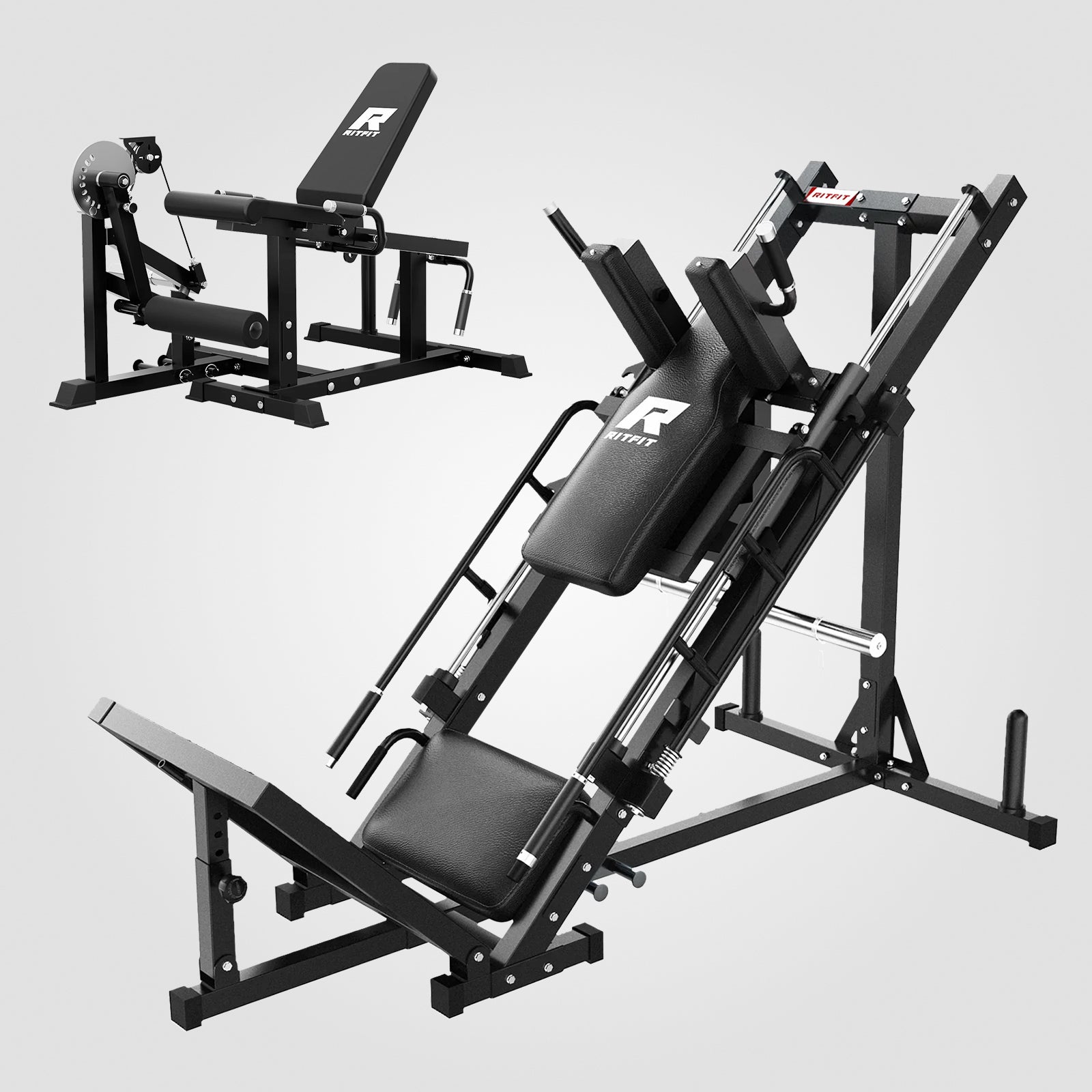
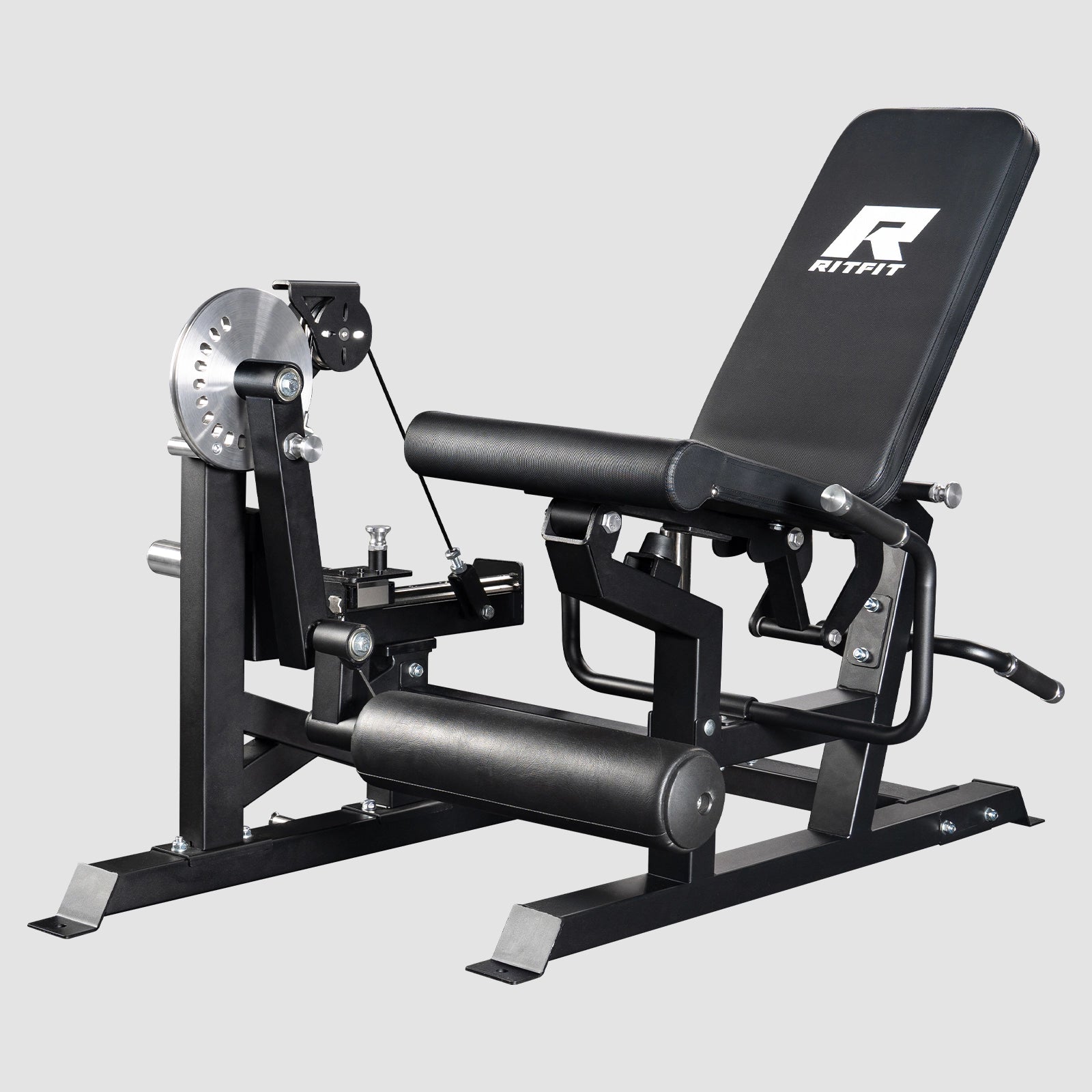
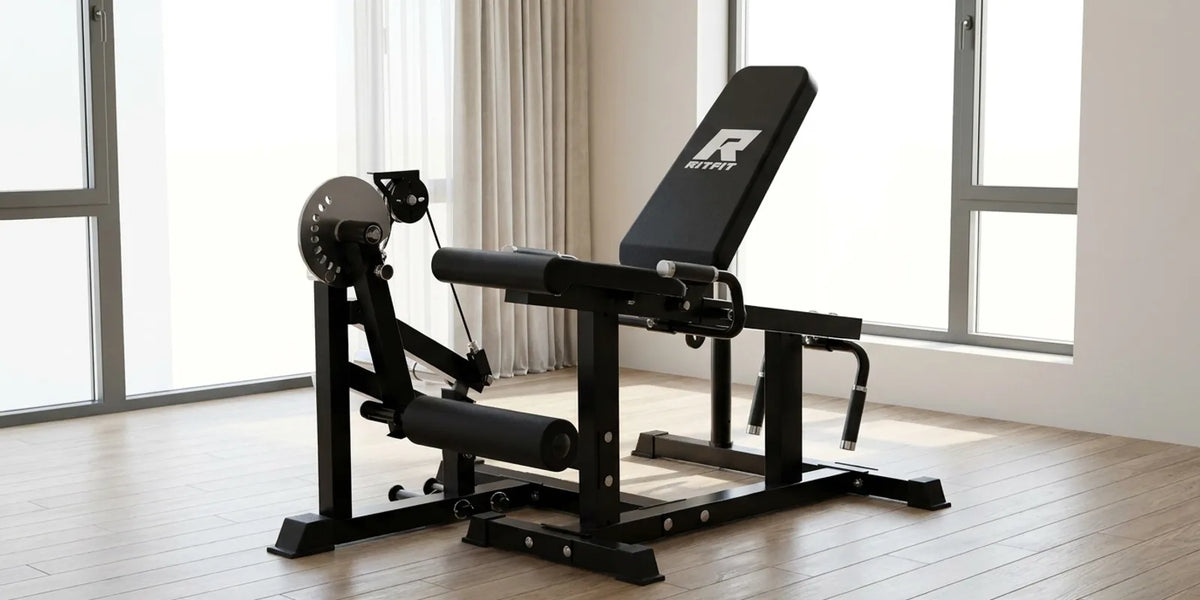
Two RitFit machines cover this need once your documentation is in place. The RitFit PLC01 Leg Extension Curl Machine fits compact setups, and the RitFit Mustang PRO serves taller users who want a heavier duty frame.
- RitFit PLC01 Leg Extension Curl Machine: pairs a leg extension with a leg curl in one compact frame, which suits small home gyms and programs that alternate quadriceps and hamstring work in a single session. The seat and shin pad adjustments help the machine fit different leg lengths.
- RitFit Mustang PRO: a heavier duty alternative for taller users, framed around prescribed programs that call for a sturdier platform.
- Choose by need: eligibility follows your health survey and clinician review rather than the model, so pick by prescribed program, body size, and available space.
Browse the full range of RitFit leg machines if your program calls for broader leg day coverage. Until your administrator confirms, treat every eligibility statement here as potential rather than guaranteed.
Documents to Keep Before You Buy
Keeping four records protects your claim if your administrator asks questions later. Missing paperwork can stall a reimbursement request that would otherwise go through.
- Survey confirmation: the completed health survey record, with its date, for the purchase in question.
- Letter of Medical Necessity: the clinician-issued letter naming the diagnosed condition and the equipment.
- Itemized receipt: the purchase receipt showing exactly what you bought and when.
- Administrator correspondence: any email or portal message confirming your claim path.
Once your program is set, the proper leg extension form guide helps you run it correctly, and the best leg extension curl machine for home gyms deep dive covers the specs.
FAQs About Buying a Leg Extension Machine With HSA or FSA
Are leg extension machines HSA eligible?
Potentially, but not by default. IRS guidance treats equipment bought merely for general fitness as a non-medical expense. The machine becomes potentially eligible when your health survey and an independent licensed clinician connect it to a specific diagnosed condition, documented through a letter of medical necessity.
Do physical therapists actually use leg extensions?
Yes. Rehabilitation settings commonly use seated leg extension machines for isolated quadriceps strengthening after knee surgery and injury. A physiotherapy education resource notes that in single-leg form the machine forces load through the quadriceps, which is useful when patients compensate away from a recovering knee.
Are leg extensions safe for sore knees?
Joint response varies by person and condition, so this is a question for your clinician rather than a general rule. Randomized trials have studied progressive strength training in knee osteoarthritis, and a clinician can advise on range of motion and loading appropriate for your specific situation before you buy.
Which RitFit leg extension machine should I consider?
The RitFit PLC01 pairs a leg extension with a leg curl in one compact frame, and the Mustang PRO offers a heavier duty alternative for taller users. Eligibility follows your health survey and clinician review rather than the model, so choose based on your prescribed program, body size, and available space.
Is eligibility the same for HSA and FSA?
The core test is the same. The purchase must connect to a diagnosed medical condition rather than general fitness. Differences are administrative, since HSAs require a high-deductible health plan and roll over year to year while FSAs are employer-sponsored with limited rollover. Always confirm documentation rules with your administrator.
Conclusion
A leg extension machine can be bought with HSA or FSA funds only when the purchase connects to a diagnosed condition through a Letter of Medical Necessity. General fitness buys do not qualify under IRS guidance.
Start with your clinician, finish the paperwork before checkout, and read the RitFit discount guide to stack other eligible savings on your order.
Disclaimer
This article explains general HSA and FSA rules and does not provide medical or tax advice. Confirm eligibility, treatment questions, and documentation requirements with your clinician, your benefits administrator, or a qualified tax professional.
References
1. Lange AK, Vanwanseele B, Foroughi N, et al. Resistive Exercise for Arthritic Cartilage Health (REACH): a randomized double-blind, sham-exercise controlled trial. BMC Geriatr. 2009. PMCID: PMC2649134
2. Messier SP, Mihalko SL, Beavers DP, et al. Effect of High-Intensity Strength Training on Knee Pain and Knee Joint Compressive Forces Among Adults With Knee Osteoarthritis: The START Randomized Clinical Trial. JAMA. 2021. PMCID: PMC7887656
3. Rafiq MT, Hamid MS, Hafiz E, et al. Effect of Progressive Resistance Strength Training on Body Mass Index, Quality of Life and Functional Capacity in Knee Osteoarthritis: A Randomized Controlled Trial. J Multidiscip Healthc. 2021. PMCID: PMC8364840