Can you buy a leg press machine with HSA or FSA funds? A leg press HSA eligible purchase is possible in some cases, yet eligibility is never automatic, and it depends on IRS rules plus documented medical need.
This guide explains when exercise equipment can qualify, why a leg press may support a medical plan, and how the letter of medical necessity and payment process work. You will also find which documents to keep and which RitFit machines to consider if you qualify.
Quick Answer: A leg press is not HSA eligible by default, but a leg press HSA eligible purchase may be possible when a licensed clinician documents it for a diagnosed condition through a letter of medical necessity.
Key Takeaways
- Eligibility: A leg press machine is not HSA or FSA eligible by default, and qualification always depends on documentation for a diagnosed condition.
- IRS rule: Expenses that are merely beneficial to general health do not count as medical expenses under IRS guidance.
- Letter of medical necessity: An independent licensed clinician issues this letter after a health survey, and qualification is not guaranteed.
- Machine-specific case: The leg press offers back-supported, low-impact loading, which is why clinicians may connect it to knee or back programs.
- Records: Keep the itemized receipt, the letter, and your survey confirmation to support any later reimbursement review.
Is a Leg Press Machine HSA or FSA Eligible?
A leg press machine is not automatically HSA or FSA eligible, and most retail purchases start as general fitness spending. It may potentially qualify when the purchase supports a diagnosed condition that a licensed clinician documents in a letter of medical necessity.
- Default status: Equipment bought to stay in shape or add muscle falls outside the medical expense definition, even when the training itself is healthy.
- Possible path: A documented medical need may make the purchase potentially eligible, and no outcome is guaranteed.
- Who decides: Your plan administrator applies the rules, and payment providers such as Truemed arrange the clinician review behind a letter of medical necessity.
For the broader equipment rules behind this answer, see our guide, How to Buy HSA-Approved Exercise Equipment.
"This is a well constructed leg press/ hack sqwat machine. It was easy to assemble and works perfectly!"
Nate W. Verified Buyer, RitFit BLP01 3-in-1 Leg Press and Hack Squat Machine
What the IRS Rules Say About Exercise Equipment
IRS guidance states that expenses merely beneficial to general health do not count as medical expenses. According to the same guidance, medical expenses must be primarily to alleviate or prevent a physical or mental disability or illness.
The IRS applies a similar test to gym memberships, which are eligible only when purchased for the sole purpose of affecting a structure or function of the body or treating a specific disease diagnosed by a physician.
- General health spending: Buying a machine to get fitter is a personal choice, and the tax code does not treat it as medical care.
- Specific medical purpose: Equipment tied to a diagnosed condition or a prescribed plan sits on the potentially eligible side of the line.
Our full guide, Can You Use HSA or FSA Funds for Exercise Equipment?, breaks down these rules in depth.
Why Might a Clinician Prescribe Low-Impact Leg Strengthening?
The leg press positions your back against a supported pad while your feet drive the load, so the pattern is low impact with limited spinal compression. This profile is why a clinician may connect the machine to a program for a diagnosed knee or back condition.
- Back-supported loading: The pad supports your back throughout the movement, which separates the pattern from free-weight squatting.
- Knee rehabilitation context: Clinicians may prescribe low-impact strength work after a knee injury or surgery, and a letter of medical necessity would document that plan.
- Back-limited lifters: Lifters who cannot free-weight squat comfortably may still train their legs under a supported pattern with professional guidance.
Form and foot placement matter in any prescribed plan, and our guide on How to Do the Leg Press covers the setup. If back discomfort rules out free-weight squatting, our Leg Press vs Squat Rack comparison explains the tradeoffs.
"Compared to squat patterns it's the least amount of spine and pelvis stability required, so if you have back issues or you have pelvis stability issues it can be a great option to still do this."
Joe Bennett, Hypertrophy Coach, via Hypertrophy Coach Breaks Down Jay Cutler's Quad Training (Fitness Volt)
Evidence on Leg Strengthening and Knee Osteoarthritis
Three randomized trials frame this discussion, and they examined leg strengthening rather than any specific machine. Their findings explain why clinicians may view supported leg pressing as relevant to knee osteoarthritis care.
- Cartilage health in older adults: The REACH trial, a randomized sham-exercise controlled study, examined resistive exercise for arthritic cartilage health in older adults.[1]
- High-intensity strength work: A randomized clinical trial examined the effect of high-intensity strength training on knee pain and knee joint compressive forces among adults with knee osteoarthritis.[2]
- Progressive resistance training: A randomized controlled trial studied progressive resistance strength training effects on body mass index, quality of life, and functional capacity in knee osteoarthritis.[3]
These findings describe strength training studies, not approvals for any machine. A clinician decides whether a leg press fits your documented condition, and no eligibility outcome is guaranteed.
How the Letter of Medical Necessity Works for a Leg Press Purchase
A letter of medical necessity is a clinician-issued document that connects your purchase to a diagnosed condition. Per the provider's published process, you complete a health survey first, and an independent licensed clinician issues the letter if your responses support eligibility.
- Step 1: Complete the health survey at checkout through a payment provider such as Truemed.
- Step 2: If your responses support eligibility, an independent licensed clinician issues the letter of medical necessity.
- Step 3: Pay with your HSA or FSA card at checkout, or pay with any card and submit the letter to your administrator for reimbursement.
Per its site, the Truemed marketplace lists 3,000+ health brands, and the same survey-based process applies across them. The clinician determination, not the retailer, is what creates the eligibility case.
How to Pay With Your HSA or FSA Card or Get Reimbursed Later
Two payment paths exist, and both start with the letter of medical necessity from the previous section. The card path pays pre-tax at checkout, while the reimbursement path pays now and claims the funds back afterward.
- Card path: With Truemed at checkout, qualified buyers pay directly with an HSA or FSA card, which keeps the purchase pre-tax from day one.
- Reimbursement path: If the provider is not at checkout, pay with any card, complete the survey, and submit the letter to your plan administrator for reimbursement.
Truemed reports that qualified customers save an average of 30 percent on eligible health purchases, with an example of saving $160 on a $500 purchase at a 32 percent tax bracket. Savings depend on your tax bracket and plan, so treat those figures as the provider's example rather than a promise.
An HSA pairs with a high-deductible health plan, while an FSA typically runs through an employer. Both accounts let you pay qualified expenses with pre-tax dollars.
Our walkthrough, How to Use HSA/FSA Funds for Eligible RitFit Equipment, covers the full purchase path.
What Usually Does Not Qualify
General fitness purchases usually do not qualify, and missing documentation can sink an otherwise valid claim. The IRS draws the line at diagnosed conditions, not at good intentions.
- General fitness buys: Equipment purchased to get fitter without a diagnosed condition falls on the personal side of the line.
- Convenience memberships: Gym memberships qualify only in narrow prescribed cases, and the same caution applies to home equipment.
- Missing records: Claims without the letter, the receipt, or the survey confirmation may be denied during reimbursement review.
- Assumed approval: Truemed states qualification is not guaranteed for every customer or purchase, since the clinician review decides.
Which RitFit Leg Press Machines to Consider if You Qualify
RitFit builds several leg press machines, and the right choice depends on your space, your program, and your documented need. If a clinician supports your case, these are the frames to compare.
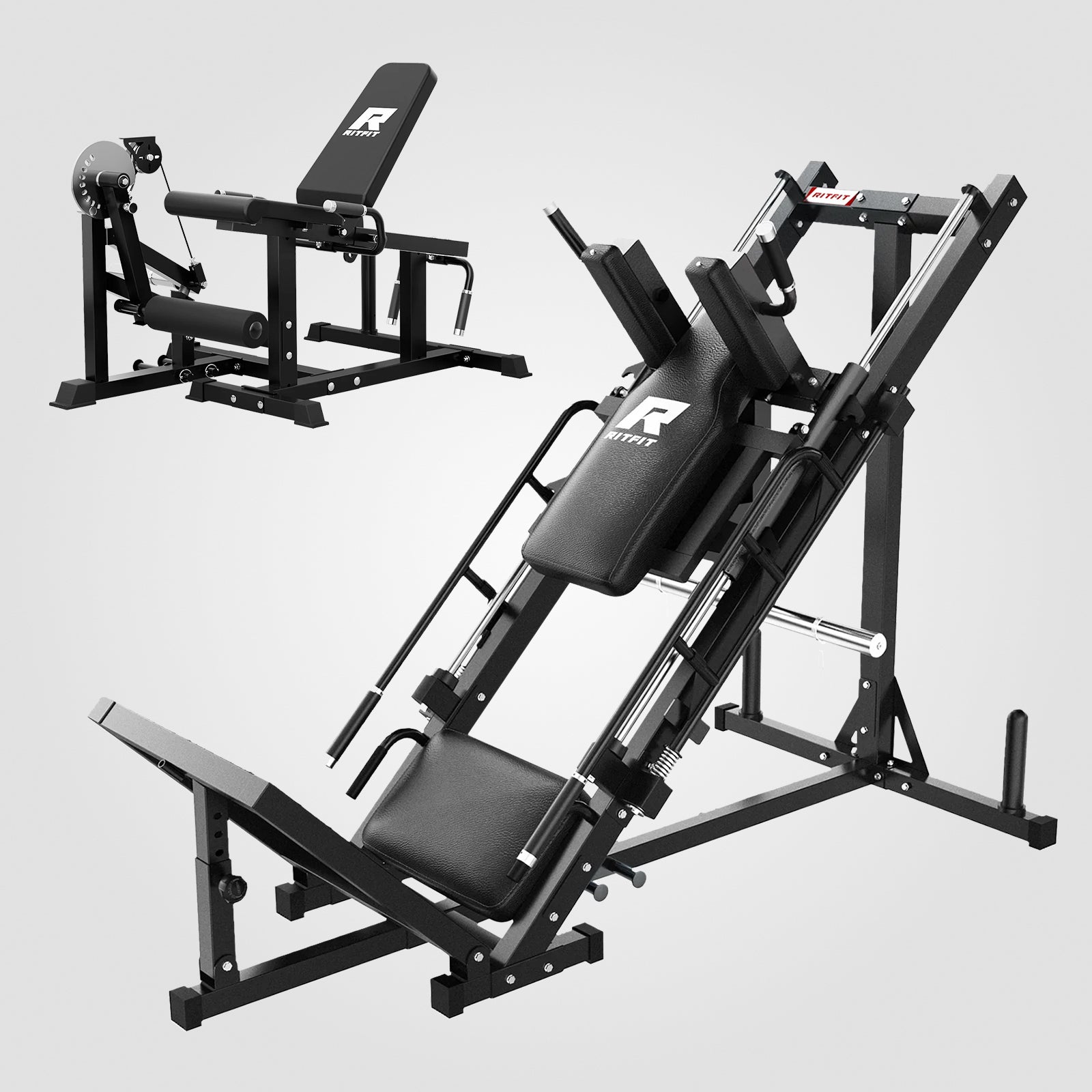
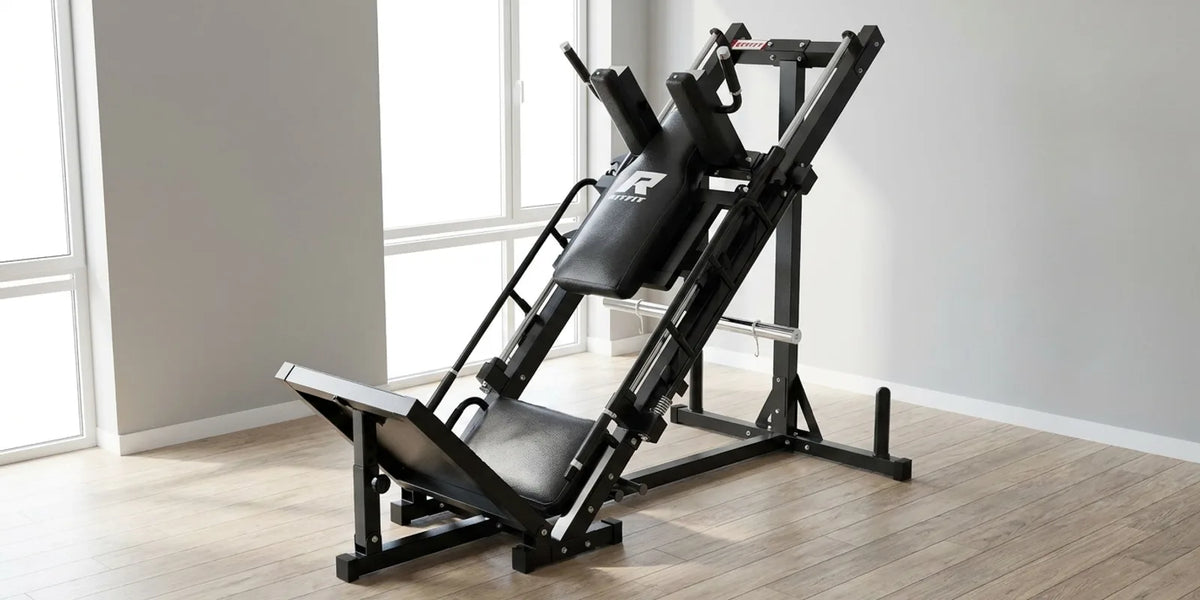
- BLP01 3-in-1: The RitFit BLP01 covers leg press, hack squat, and calf raise on one 45-degree frame, and a pink colorway is also available.
- GAZELLE compact: The RitFit GAZELLE is the compact 3-in-1 for home gyms where floor space is the constraint.
- GAZELLE PRO: The RitFit GAZELLE PRO offers the same 3-in-1 pattern with a different loading setup.
Browse the full range of RitFit leg press machines to compare frames, and check the listed weight capacity, footprint, and start position against your space before ordering. Our Best Leg Press Machine for Home Gym guide compares the frames in depth.
Documents to Keep Before You Buy
Four records support a smooth reimbursement review, and keeping them together saves time later. Administrators may request documentation when they question a purchase.
- Itemized receipt: Shows what you bought, when you bought it, and how you paid.
- Letter of medical necessity: The clinician document that ties the leg press to your diagnosed condition.
- Survey confirmation: Proof of when you completed the health survey and what you submitted.
- Clinician notes: Any notes that connect the machine to your condition and prescribed plan.
Organized records make the claim process smoother if your purchase is questioned later. Store digital copies with your tax documents so nothing gets lost between purchase and reimbursement.
FAQs About Buying a Leg Press Machine With HSA or FSA
Can a leg press machine be reimbursed by my FSA?
Potentially, but only when the purchase connects to a diagnosed medical condition. You complete a health survey and, if qualified, an independent licensed clinician issues a letter of medical necessity. You then pay with your FSA card at checkout or submit the letter to your administrator for reimbursement afterward.
Why is a leg press considered for knee rehabilitation?
Because seated leg pressing loads the quadriceps with the back supported and limited spinal compression, and randomized trials have studied progressive strength training in adults with knee osteoarthritis. Clinicians may prescribe low-impact strength work after knee injury or surgery, which a letter of medical necessity would document.
What documents do I keep after buying?
Keep the itemized receipt, the letter of medical necessity, your health survey confirmation, and any clinician notes linking the leg press to your diagnosed condition. Administrators may request documentation during reimbursement review, and organized records make the claim process smoother if your purchase is questioned later.
Is eligibility guaranteed if I use Truemed?
No. Truemed states qualification is not guaranteed for every customer or purchase. An independent licensed clinician reviews your health survey and decides whether the purchase connects to a qualifying condition. If the review does not support eligibility, you can still buy the machine with regular funds.
Do I need a doctor visit to qualify?
Not necessarily. With a payment provider such as Truemed you complete an online health survey instead, and an independent licensed clinician reviews your responses. If the review supports eligibility the clinician issues a letter of medical necessity. Your specific plan administrator may still have additional documentation requirements.
Conclusion
Buying a leg press machine with HSA or FSA funds is possible only through the documented medical path. The IRS separates general fitness from medical need, and a letter of medical necessity is what bridges the two.
If a clinician supports your case, follow the survey, payment, and record steps above. If not, pick the machine that fits your space and program, and see our RitFit discount guide for current ways to save.
Disclaimer
This article explains general HSA and FSA rules and does not provide medical, tax, or legal advice. Eligibility depends on your plan, your health status, and determinations by qualified clinicians and administrators, so consult your physician, tax professional, or plan administrator before purchasing.
References
1. Lange AK, Vanwanseele B, Foroughi N, et al. Resistive Exercise for Arthritic Cartilage Health (REACH): a randomized double-blind, sham-exercise controlled trial. BMC Geriatr. 2009. PMCID: PMC2649134
2. Messier SP, Mihalko SL, Beavers DP, et al. Effect of High-Intensity Strength Training on Knee Pain and Knee Joint Compressive Forces Among Adults With Knee Osteoarthritis: The START Randomized Clinical Trial. JAMA. 2021. PMCID: PMC7887656
3. Rafiq MT, Hamid MS, Hafiz E, et al. Effect of Progressive Resistance Strength Training on Body Mass Index, Quality of Life and Functional Capacity in Knee Osteoarthritis: A Randomized Controlled Trial. J Multidiscip Healthc. 2021. PMCID: PMC8364840