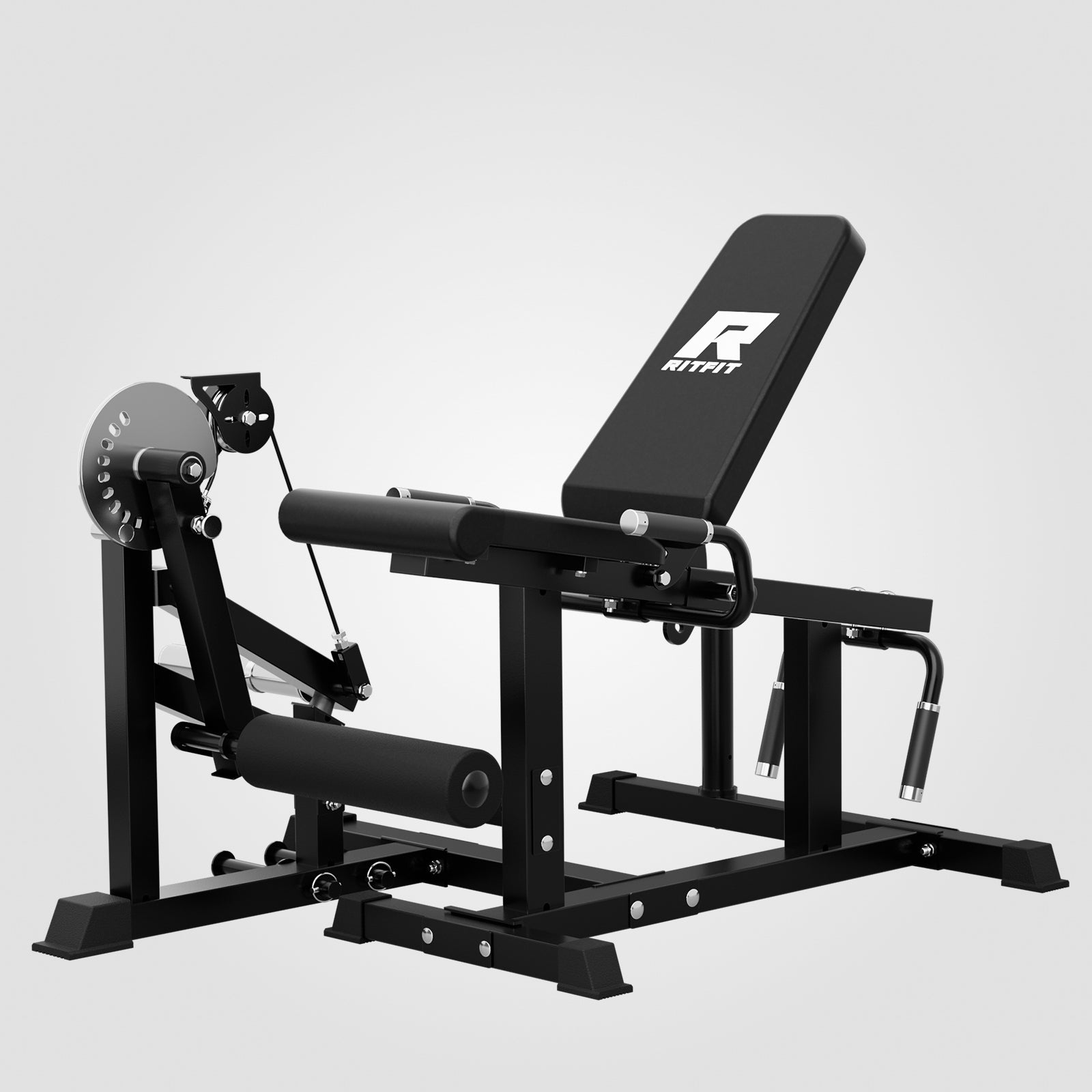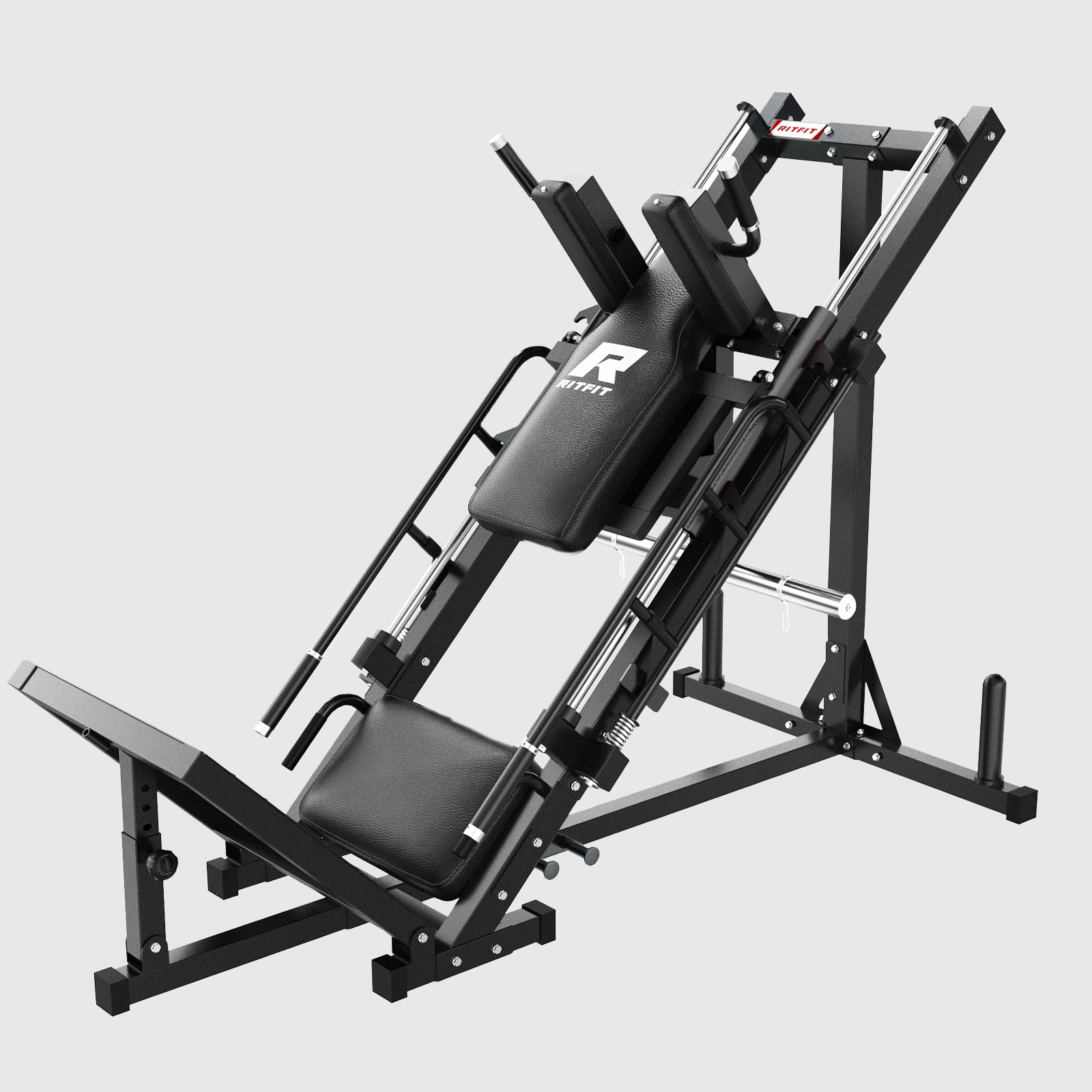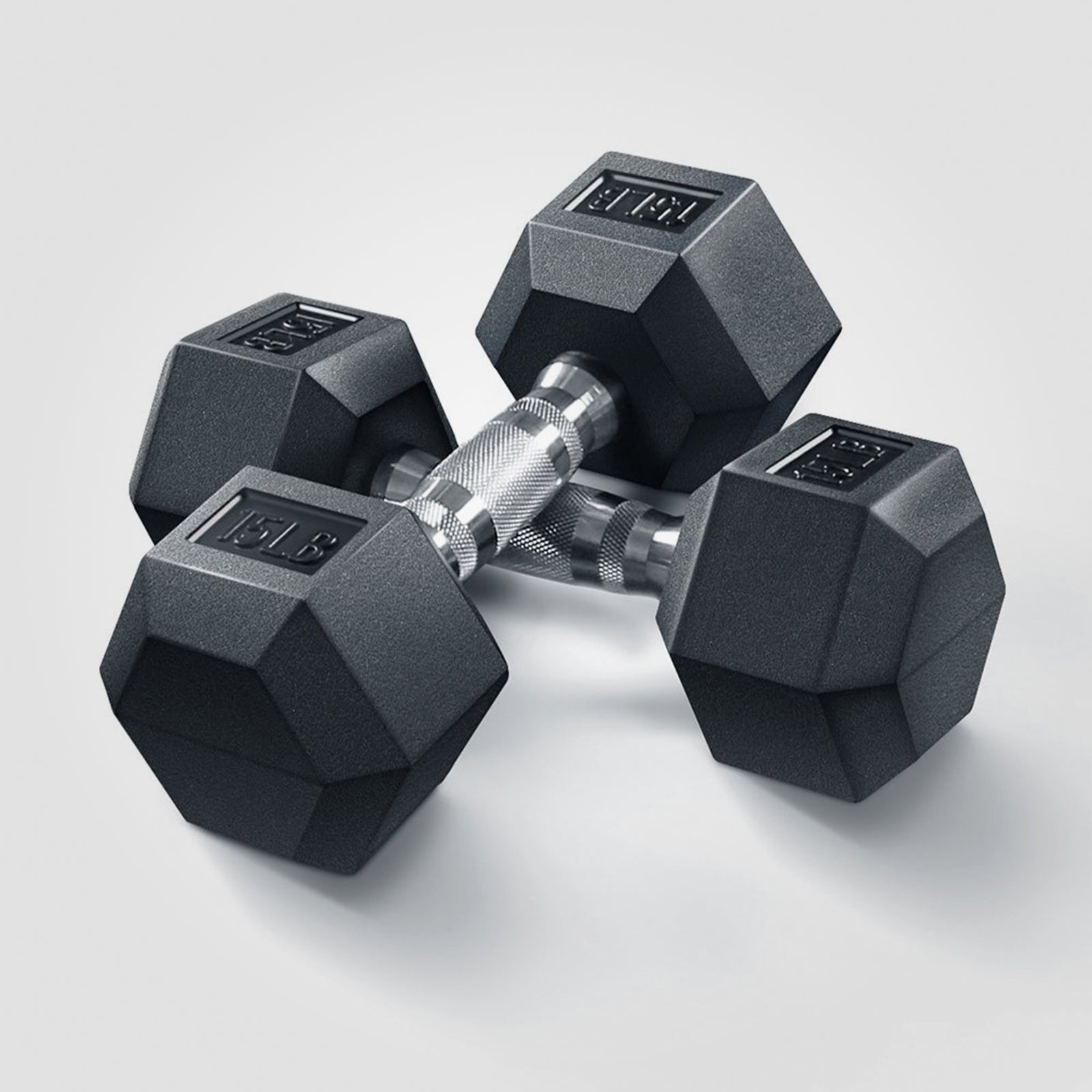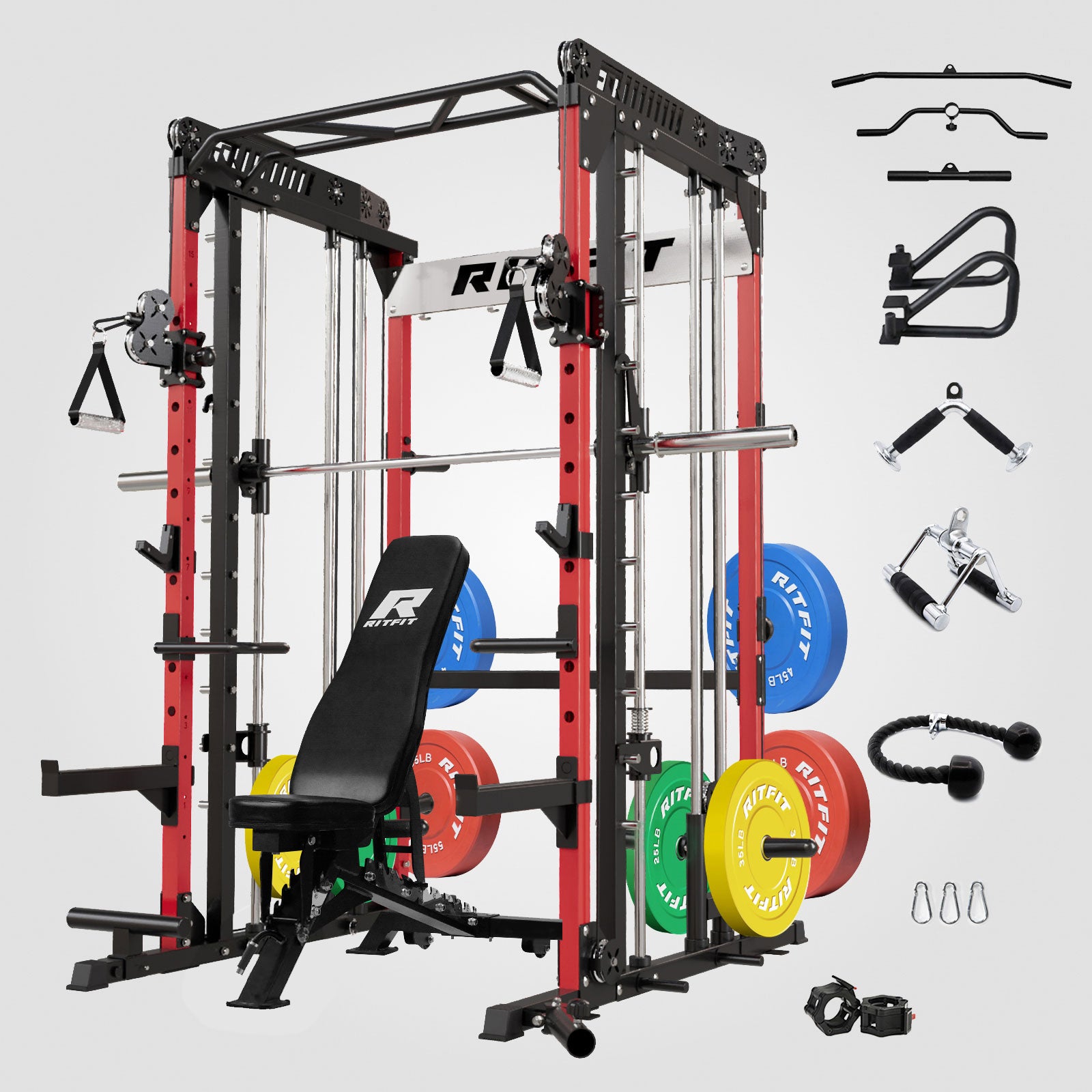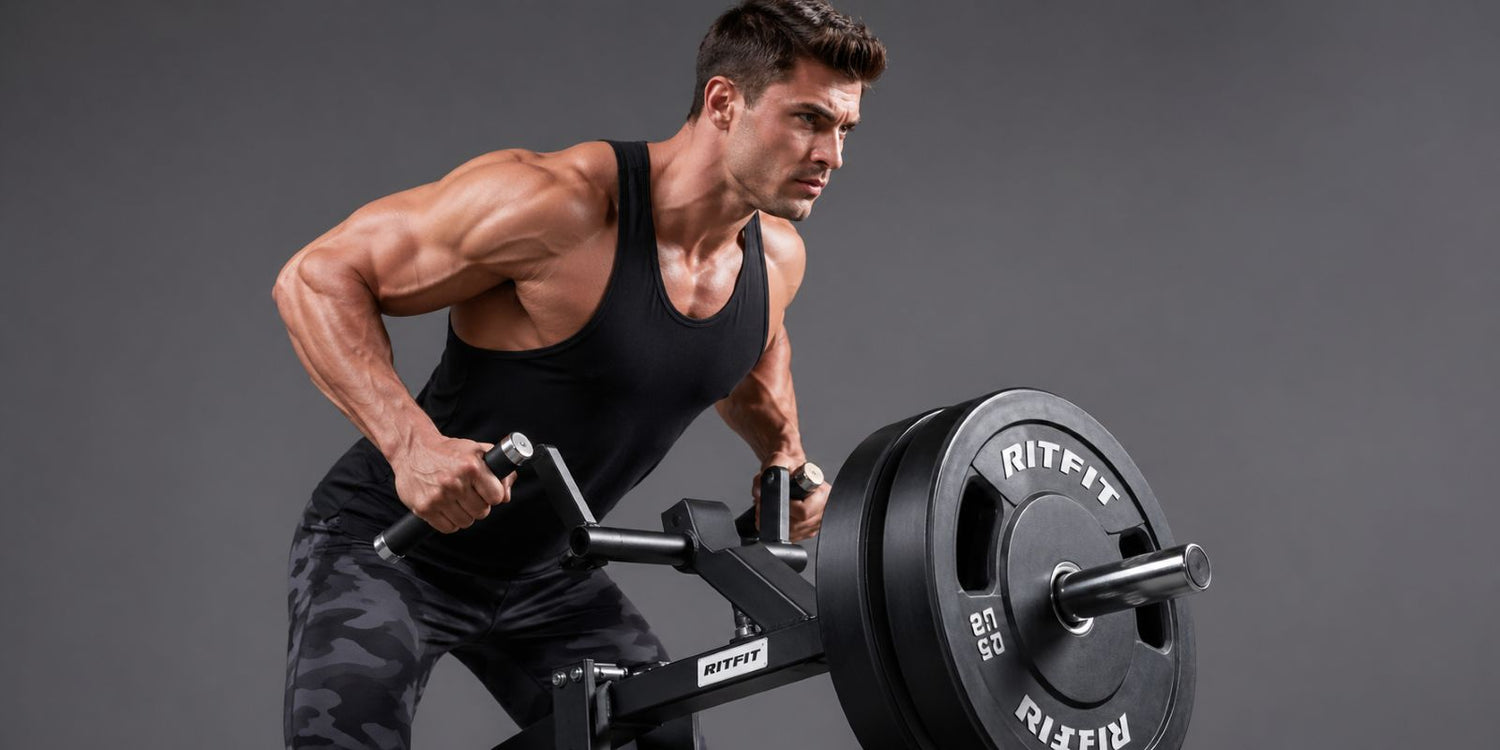
The best T Bar row alternatives are chest supported rows, barbell rows, landmine rows, seated cable rows, and one arm dumbbell rows. These exercises train horizontal pulling, mid back tension, lats, traps, rhomboids, rear delts, and progressive overload without requiring a dedicated T Bar row machine.
Choose your replacement based on your equipment, low back tolerance, training level, and goal. A good substitute should let you row hard, stay controlled, and keep progressing without turning every rep into a lower back endurance test.
Table of Contents
- Why Look for a T Bar Row Alternative?
- Which T Bar Row Alternative Should You Choose?
- Best T Bar Row Alternatives
- Muscles Worked by T Bar Row Alternatives
- Barbell Based Alternatives
- Dumbbell Alternatives
- Cable Alternatives
- Machine Alternatives
- Bodyweight and Minimal Equipment Alternatives
- How to Program T Bar Row Alternatives for Maximum Back Thickness
- Technique Tips to Match or Beat T Bar Row Results
- Common Mistakes When Replacing T Bar Rows
Key Takeaways
- Chest supported rows are the best overall replacement: They keep tension on the back while reducing lower back fatigue.
- Barbell rows are best for heavy free weight thickness: They reward strong bracing, stable hinging, and controlled pulling.
- Landmine rows feel closest to a classic T Bar row: They use a natural pulling arc and work well in many home gym setups.
- Cable and machine rows are excellent for hypertrophy: They provide stable resistance, easy progression, and cleaner reps near fatigue.
- The best option depends on your limitation: Match the row to your equipment, recovery, joint comfort, and goal.
Why Look for a T Bar Row Alternative?
You should look for a T Bar row alternative when the original setup does not fit your equipment, body, or recovery. You can still build a thick back if the substitute trains horizontal pulling with enough load, control, and consistency.
Limitations and Risks of T Bar Rows
T Bar rows can create high lower back demand because you must hold a bent over position while pulling heavy weight. For some lifters, the low back fatigues before the lats, rhomboids, and traps receive enough quality work.
- Spinal fatigue: Unsupported rows require bracing, hinging, and torso control throughout the set.
- Momentum risk: Heavy loading can turn controlled reps into jerking if the lifter loses position.
- Equipment barrier: Many home gyms do not have a dedicated T Bar machine or landmine handle.
- Grip limitation: Some T Bar handles may feel awkward for lifters with wrist, elbow, or shoulder sensitivity.
What Makes a Good Alternative?
A good T Bar row alternative should train the same horizontal pulling pattern while letting you control the weight through a full usable range. It should also fit your equipment, strength level, and recovery capacity.
- Back tension: The exercise should load the lats, mid back, traps, and rear delts through controlled reps.
- Progressive overload: The movement should allow gradual increases in weight, reps, sets, or execution quality.
- Stable setup: The exercise should feel repeatable enough to measure progress from week to week.
- Joint comfort: The grip and pulling angle should not force painful shoulder, elbow, or wrist positions.
Criteria for Choosing the Right Alternative
Choose your replacement based on your real limitation, not just what looks closest to a T Bar row. A low back friendly lifter and a strength focused lifter may need completely different row variations.
- Goal focus: Use heavy unsupported rows for strength and density, and supported rows for cleaner hypertrophy volume.
- Injury status: Use chest supported, cable, or machine rows if your lower back gets irritated easily.
- Equipment access: Use barbell, dumbbell, inverted row, or landmine options if you train at home.
- Training level: Use stable variations first if you are still learning bracing, hinging, and scapular control.
Which T Bar Row Alternative Should You Choose?
The best T Bar row alternative is the one you can load, control, and repeat with strong form. Use the guide below to match your goal with the right row variation.
| Goal | Best Alternative | Why It Works |
|---|---|---|
| Best overall replacement | Chest supported row | It trains hard back contractions with less lower back fatigue. |
| Best heavy free weight option | Bent over barbell row | It allows heavy loading and builds full back density. |
| Best home gym match | Landmine row | It mimics the T Bar pulling arc with simple equipment. |
| Best low back friendly option | Seated cable row | It gives stable resistance and repeatable back volume. |
| Best minimal equipment option | One arm dumbbell row | It trains each side independently with a simple bench and dumbbell. |
Best T Bar Row Alternatives
Chest supported rows are the best all around substitute, barbell rows are best for heavy loading, landmine rows are closest in feel, and seated cable rows are best for low back friendly hypertrophy. Current evidence suggests that a wide range of resistance training loads can support hypertrophy when effort and programming are appropriate.[1]
If you train at home, start with the equipment you already own. A barbell, dumbbells, adjustable bench, cable attachment, or rack can cover most horizontal pulling needs without a dedicated T Bar row station.
Muscles Worked by T Bar Row Alternatives
Most T Bar row alternatives train the lats, rhomboids, traps, rear delts, biceps, grip, and spinal erectors. The exact emphasis changes based on torso support, elbow path, grip width, and line of pull.
- Lats: Pull your elbows toward your hips with a neutral or semi neutral grip to bias lat involvement.
- Mid back: Row toward the lower ribs and squeeze the shoulder blades together for rhomboids and middle traps.
- Upper back: Use a wider elbow path and pronated grip when shoulder comfort allows.
- Rear delts: Keep the elbows slightly flared and avoid turning every rep into a lat dominant pull.
- Lower back: Unsupported rows train bracing, while supported rows reduce spinal loading.
Barbell Based Alternatives
Barbell row variations are best for lifters who want heavy loading, simple equipment, and strong carryover to classic back thickness work. They also require more bracing and torso discipline than cable or machine options.
Bent Over Barbell Row
The bent over barbell row is the closest free weight substitute for heavy back thickness. It trains the lats, traps, rhomboids, rear delts, spinal erectors, and grip when you hold a stable hinge.
- Best for: Strength focused lifters who can brace hard and keep the torso consistent.
- How to pull: Row the bar toward the lower ribs or upper waist without shrugging each rep.
- Home gym link: For a guided variation, see the Smith machine bent over row guide.
Pendlay Row
The Pendlay row is a dead stop barbell row that begins each rep from the floor. It is stricter and more power focused because the reset reduces momentum between reps.
- Best for: Lifters who want strength, bar speed, and consistent starting positions.
- How to pull: Keep the torso close to parallel and row explosively from a dead stop.
- Programming note: Use it earlier in the workout because it requires more focus and bracing.
Seal Row
The seal row removes most lower back involvement by placing your chest on a bench while the weight hangs below you. It is one of the strictest options for mid back training and scapular retraction.
- Best for: Lifters whose lower back limits bent over rows before the target muscles are challenged.
- How to pull: Keep your chest fixed on the bench and pause briefly at the top.
- Bench support: A stable adjustable bench helps create a repeatable supported row setup.
Landmine Row
The landmine row is the closest practical match to the classic T Bar row because it uses a similar arc and neutral grip. It is especially useful for garage gyms because it only needs a barbell, plates, and a secure landmine point.
- Best for: Home gym lifters who want a T Bar feel without a dedicated machine.
- How to pull: Keep the torso stable and drive the elbows back instead of yanking with the hands.
- Equipment fit: Pair it with a rack or cable setup if you want a more complete back training station.
Dumbbell Alternatives
Dumbbell rows are excellent for unilateral training, long ranges of motion, and small space setups. They are also useful when you want to correct side to side strength gaps.
One Arm Dumbbell Row
The one arm dumbbell row is one of the most reliable T Bar row substitutes for home gym lifters. It lets you train each side independently, use a long elbow path, and build strong lat and mid back tension.
- Best for: Lifters who own dumbbells and need a simple row with minimal setup.
- How to pull: Support your free hand on a bench or rack and avoid twisting through the torso.
- Form resource: Review the single arm dumbbell row guide for setup and execution details.
Chest Supported Dumbbell Row
The chest supported dumbbell row is one of the best options for back growth without unnecessary spinal fatigue. Bench support makes it easier to keep tension on the lats, rhomboids, traps, and rear delts.
- Best for: Hypertrophy sets, higher rep work, and lifters managing lower back fatigue.
- How to pull: Use a neutral grip for a strong joint friendly path or a more pronated grip for upper back focus.
- Dumbbell setup: Explore the RitFit dumbbells collection if you need scalable home gym loading.
Meadows Row
The Meadows row creates a deep stretch and strong lat loading with an angled landmine path. It works well when you want a hybrid between a landmine row and a unilateral dumbbell row.
- Best for: Lifters who want a strong lat stretch and a more aggressive unilateral row.
- How to pull: Stand beside the bar sleeve and drive the elbow back without rotating the torso excessively.
- Safety note: Start light because the angled setup can feel unfamiliar at first.
Cable Alternatives
Cable rows are ideal when you want constant tension, easy load changes, and repeatable hypertrophy work. They are often the best choice for beginners, fatigue management, and controlled volume.
Seated Cable Row
The seated cable row is one of the most beginner friendly and low back friendly alternatives to T Bar rows. It gives a stable line of pull and consistent tension across the full rep.
- Best for: Muscle growth, higher rep sets, and lifters who want stable back volume.
- How to pull: Keep the torso tall, let the shoulder blades move, and pull the handle toward the lower ribs.
- Cable setup: For compatible handles, see the RitFit cable machine attachments.
Standing Single Arm Cable Row
The standing single arm cable row adds unilateral control while keeping resistance smooth and adjustable. It helps refine elbow path, scapular motion, and side to side balance.
- Best for: Lifters who want a controlled unilateral row with less joint stress.
- How to pull: Set the cable near mid torso height and row with a stable stance.
- Home gym link: A squat rack with cables setup can support multiple back training angles.
Machine Alternatives
Machine rows are excellent for stability, joint friendly resistance, and safe proximity to failure. They often produce a strong stimulus to fatigue ratio because they reduce the need for balance and bracing.
Chest Supported T Bar Row Machine
A chest supported T Bar row machine keeps a familiar pulling pattern while reducing postural demand. It is a direct swap for lifters who like T Bar rows but dislike lower back strain.
- Best for: Commercial gym lifters who want the closest machine based replacement.
- How to pull: Keep the chest supported and finish each rep with a controlled squeeze.
- Form cue: Avoid lifting the chest off the pad to chase heavier reps.
Plate Loaded Row
Plate loaded row machines are strong options for balanced back development because many designs allow each arm to work independently. They let you load heavily while keeping the torso supported.
- Best for: Lifters chasing back thickness with less technical breakdown.
- How to pull: Keep the shoulders down and row through the elbows instead of curling the handle.
- Progression note: Add load slowly when the machine path feels stable and repeatable.
Standard Machine Row
A standard machine row is simple, stable, and effective for hypertrophy. It works best when you control the eccentric, pause the contraction, and avoid bouncing out of the stretch.
- Best for: Beginners, high effort sets, and clean back volume after heavier rows.
- How to pull: Adjust the seat so the handles line up with your intended elbow path.
- Training note: Clean execution matters more than novelty.
Bodyweight and Minimal Equipment Alternatives
Minimal equipment rows are valuable when you do not have a cable station, machine row, or full barbell setup. They are especially useful for beginners, travel training, and compact home gyms.
Inverted Row
The inverted row is one of the best bodyweight substitutes for T Bar rows because it trains horizontal pulling with full body tension. It is easy to scale by changing bar height, body angle, or foot position.
- Best for: Beginners, home gym users, and lifters who want a joint friendly row.
- How to pull: Keep the body straight and pull the chest toward the bar without shrugging.
- Setup guide: See the Smith machine inverted row guide for a stable home gym setup.
Suspension Trainer Row
A suspension trainer row uses the same basic pattern as an inverted row with more freedom at the wrists and shoulders. The rotating handles can feel more comfortable for lifters who dislike fixed bar positions.
- Best for: Portable training, long sets, tempo work, and shoulder friendly pulling.
- How to pull: Keep the ribs down, squeeze the glutes, and row with control.
- Progression note: Step closer to the anchor point to make the row harder.
Best Home Gym Setup for T Bar Row Alternatives
A strong home gym setup does not need a dedicated T Bar row machine to build back thickness. A barbell, dumbbells, adjustable bench, cable pulley, or Smith machine can cover most horizontal pulling needs.
- Small space setup: Use one arm dumbbell rows, inverted rows, and chest supported dumbbell rows.
- Barbell focused setup: Use bent over rows, Pendlay rows, and landmine rows.
- Cable focused setup: Use seated cable rows, standing single arm cable rows, and high row variations.
- Smith machine setup: Use the Smith machine row guide to train a stable horizontal pull.
- Equipment path: Browse the RitFit Smith machine collection if you want a larger home gym station for rows, presses, squats, and cable work.
How to Program T Bar Row Alternatives for Maximum Back Thickness
Back thickness comes from repeated hard horizontal pulling with enough weekly volume and enough recovery. Research on trained men found that higher resistance training volume improved hypertrophy more than lower volume, although strength did not increase in the same dose dependent way.[3]
Choosing Based on Your Situation
Pick supported rows if the lower back is your weak link, and pick unsupported rows if you want more bracing and heavy free weight exposure. Most lifters do well with one heavy row and one stable row each week.
- For strength and density: Use barbell rows, landmine rows, or heavy plate loaded rows.
- For hypertrophy volume: Use chest supported rows, cable rows, and machine rows.
- For low back management: Use more supported rows and fewer unsupported hinge based rows.
- For home gym training: Combine dumbbell rows, inverted rows, and cable attachment rows.
Sample Programming Guidelines
Use lower reps on heavier unsupported rows and moderate to higher reps on stable rows. This gives you a better blend of mechanical tension, clean volume, and fatigue management.
- Strength and thickness: Use 4 to 8 reps on bent over barbell rows, landmine rows, or heavy plate loaded rows.
- Hypertrophy: Use 8 to 15 reps on chest supported dumbbell rows, machine rows, and seated cable rows.
- Endurance and finishers: Use 12 to 20 reps on inverted rows, cable rows, and lighter machine work.
- Effort target: Stop most working sets with 1 to 3 controlled reps left unless you are experienced near failure.
Example Back Workout 1 Free Weight Focus
This workout is best for lifters who can brace well and want heavier free weight exposure. Keep the first movement strict enough that the lower back does not become the main limiter.
- Bent over barbell row: 4 sets of 6 to 8 reps.
- One arm dumbbell row: 3 sets of 8 to 10 reps per side.
- Inverted row: 3 sets to technical failure.
Example Back Workout 2 Low Back Friendly Focus
This workout is best for lifters who want hard back training with less unsupported hinging. Use controlled reps and keep the target muscles under tension.
- Chest supported machine row: 4 sets of 8 to 12 reps.
- Seated cable row: 3 sets of 10 to 15 reps.
- Rear delt row or face pull: 3 sets of 12 to 15 reps.
Technique Tips to Match or Beat T Bar Row Results
Good execution matters more than the row variation you choose. If you shorten the range, lose position, or yank with the arms, the exercise stops behaving like a true back builder.
- Control your torso: Keep the spine neutral and torso stable so the back muscles do the work instead of momentum.
- Use a full controlled range: Let the shoulder blade move into a controlled stretch and finish with a strong contraction. A full range of motion can support muscle development when it is used safely and consistently.[2]
- Slow the eccentric: Lower the weight under control instead of dropping into the next rep. Movement tempo can influence strength and hypertrophy responses through time under tension, repetition quality, and load management.[4]
- Match grip to your goal: Use a neutral grip for joint comfort, a tighter elbow path for more lat bias, and a wider elbow path for upper back emphasis.
- Progress over time: Add weight, reps, sets, pauses, or cleaner execution across training blocks.
Common Mistakes When Replacing T Bar Rows
Most lifters fail because they remove the training qualities that made T Bar rows useful in the first place. The replacement must still train hard horizontal pulling with enough range, load, and consistency.
- Replacing rows with only vertical pulls: Pull ups and pulldowns are valuable, but they do not fully replace horizontal rowing for mid back thickness.
- Using too much momentum: Excessive body movement reduces back tension and turns rows into sloppy shrugs.
- Ignoring joint feedback: Swap exercises if a row repeatedly irritates your lower back, shoulder, elbow, or wrist.
- Chasing variety instead of progression: You need a few repeatable rows that you can improve, not ten random variations.
- Skipping supported rows: Supported rows help you accumulate quality volume when unsupported rows create too much fatigue.
FAQs
What is the best T Bar row alternative for a home gym?
The best T Bar row alternative for a home gym is usually the landmine row. It feels close to a T Bar row, uses a natural pulling arc, and needs only a barbell, plates, and a secure setup. Dumbbell rows and inverted rows are also strong choices.
Which T Bar row alternative is easiest on the lower back?
The easiest T Bar row alternatives on the lower back are chest supported rows, seated cable rows, and machine rows. These options reduce the need to hold a bent over position. They are better choices when spinal fatigue limits your back training quality.
Can dumbbell rows replace T Bar rows for back thickness?
Yes. Dumbbell rows can replace T Bar rows for back thickness when they are loaded progressively and performed with stable form. One arm dumbbell rows add unilateral range of motion, while chest supported dumbbell rows reduce lower back fatigue and improve target muscle control.
Is a landmine row the same as a T Bar row?
No. A landmine row is not exactly the same as a T Bar row, but it is one of the closest practical substitutes. Both use an angled bar path, but handle setup, torso position, and loading feel can change the training emphasis.
Which T Bar row alternative is best for beginners?
The best T Bar row alternatives for beginners are seated cable rows and chest supported dumbbell rows. They are stable, easy to learn, and less likely to turn into lower back dominant movements. Beginners should prioritize control, full range, and repeatable technique.
How many row exercises do I need for back growth?
Most lifters only need two to three row exercises across the week for back growth. Use one heavier row for strength and density, then add one supported or cable row for cleaner hypertrophy volume. Progression matters more than using many variations.
Should I choose chest supported rows or barbell rows?
Choose chest supported rows if your lower back fatigues before your back muscles. Choose barbell rows if you want heavier free weight loading and can maintain a strong hinge. Many lifters benefit from using both across the same training week.
Can cable rows build the same muscles as T Bar rows?
Yes. Cable rows can build many of the same muscles as T Bar rows, including the lats, rhomboids, traps, rear delts, and biceps. The main difference is that cable rows usually feel more stable and easier to control through higher rep sets.
Conclusion
You do not need T Bar rows to build a thick, strong back. Choose a row variation that matches your equipment, supports good form, and lets you train the lats and mid back hard enough to progress for months.
For most lifters, the best plan is simple. Use one heavier row for strength and density, pair it with one stable row for clean volume, and focus on control, recovery, and progressive overload.
Disclaimer: This article is for general educational purposes only and is not medical advice. Stop any row variation that causes sharp pain, numbness, or worsening joint discomfort. If you have a history of back, shoulder, elbow, or wrist injury, consult a qualified coach or healthcare professional before using heavy rowing variations.
References
- Schoenfeld BJ, Grgic J, Van Every DW, Plotkin DL. Loading recommendations for muscle strength, hypertrophy, and local endurance: a re examination of the repetition continuum. Sports (Basel). 2021;9(2):32. doi:10.3390/sports9020032
- Schoenfeld BJ, Grgic J. Effects of range of motion on muscle development during resistance training interventions: a systematic review. SAGE Open Med. 2020;8:2050312120901559. doi:10.1177/2050312120901559
- Schoenfeld BJ, Contreras B, Krieger J, Grgic J, Delcastillo K, Belliard R, Alto A. Resistance training volume enhances muscle hypertrophy but not strength in trained men. Med Sci Sports Exerc. 2019;51(1):94-103. doi:10.1249/MSS.0000000000001764
- Wilk M, Zajac A, Tufano JJ. The influence of movement tempo during resistance training on muscular strength and hypertrophy responses: a review. Sports Med. 2021;51(8):1629-1650. doi:10.1007/s40279-021-01465-2