What you eat after a workout can support fat loss by aiding recovery and curbing later hunger, but it will not undo your calorie burn or cause weight gain on its own. The smart move is pairing lean protein with fiber-rich carbohydrates inside your daily calorie target.
This guide is general healthy-eating information for active adults, not personalized medical or weight-loss advice. You will learn what to eat, how much, whether timing matters, and the mistakes that quietly stall progress.
Table of Contents
- Why does what you eat after a workout matter for weight loss?
- Which two macros matter most after exercise?
- How much protein and carbohydrate do you need?
- Does timing matter, and is the anabolic window real?
- What are the best post-workout foods for weight loss?
- What should you eat after a late-evening workout?
- Which post-workout eating mistakes stall fat loss?
- How do you put it all together?
Key Takeaways
- Calories rule: Eating after a workout does not block fat loss; your total daily calorie balance decides whether you lose weight.
- Protein plus carbs: Pair lean protein with fiber-rich carbohydrates to support recovery, muscle retention, and fullness.
- Timing is flexible: The strict 30-minute window is overstated; eating within a few hours is fine for most people.
- Protein protects muscle: Higher protein during weight loss helps preserve lean mass and shift more loss toward fat.
- Match the meal to the workout: Intense or strength sessions warrant a real meal; light cardio often needs no dedicated post-workout food.
Why does what you eat after a workout matter for weight loss?
What you eat after a workout matters because it supports muscle recovery and helps control hunger, both of which make a calorie deficit easier to sustain. It does not, by itself, cancel your calorie burn or cause weight gain.
- Recovery: Protein supplies amino acids to repair muscle, and carbohydrates help replenish energy stores.
- Satiety: A balanced post-workout meal reduces the odds of overeating later in the day.
- Muscle retention: Adequate protein during a deficit helps you lose fat rather than muscle.
For lasting weight loss, think of the post-workout meal as part of your daily calories, not an extra. Pairing it with regular training, supported by quality weights for strength training, helps protect the muscle that keeps your metabolism healthy.
Which two macros matter most after exercise?
The two macronutrients that matter most after exercise are protein and carbohydrates. Protein drives muscle repair and helps preserve lean mass during weight loss, while fiber-rich carbohydrates restore energy and boost fullness.
Lean protein for recovery and satiety
Lean protein supports muscle repair and is highly satiating, which helps you eat less overall. In one trial, a higher-protein, higher-dairy diet during diet- and exercise-induced weight loss promoted greater fat loss and lean mass gain in women, while all groups still lost weight.[1]
- Smart picks: Eggs, Greek yogurt, cottage cheese, chicken, fish, tofu, or a protein shake.
- Why it helps: Protein has a high thermic effect and tends to keep you full longer than carbs or fat.
Fiber-rich carbohydrates for energy and fullness
Fiber-rich carbohydrates replenish muscle glycogen and add volume and fullness for fewer calories. A review of body-composition research found that combining higher protein with exercise during energy restriction improved fat loss and lean mass preservation.[2]
- Smart picks: Sweet potatoes, oats, brown rice, beans, fruit, or whole-grain bread.
- Why it helps: Fiber slows digestion and supports steadier energy, which curbs later cravings.
Training that earns this meal is easier at home with the right gear, such as a set of exercise weights or a sturdy RitFit adjustable weight bench.
How much protein and carbohydrate do you need?
Most active adults losing weight do well with about 20 to 30 grams of protein in a post-workout meal, paired with a moderate portion of fiber-rich carbohydrates. Guidance summarized from the International Society of Sports Nutrition suggests roughly 20 to 40 grams of protein every three to four hours to support recovery and body composition.
- Protein target: Aim for a palm-sized serving of lean protein, roughly 20 to 30 grams, after training.
- Carb portion: Scale carbs to your workout, more after long or intense sessions, less after light ones.
- Daily focus: Total daily protein matters more than any single meal for keeping muscle while losing fat.
Preserving muscle is worth the effort, and a meta-analysis found that higher protein intake supports muscle mass and function in healthy adults, which is exactly what you want to protect during a calorie deficit.[3] Resistance work using weight lifting accessories reinforces that effect.
Does timing matter, and is the anabolic window real?
Timing matters far less than total daily protein and overall calorie balance for weight loss. The strict 30-minute anabolic window has been largely overstated, and eating within a few hours of training is fine for most people.
- Within a few hours: Aim to eat a protein-containing meal within a couple of hours, not in a frantic rush.
- Consistency wins: Hitting your daily protein and calorie goals beats obsessing over the clock.
"The idea you had to have fast digesting protein IMMEDIATELY post workout was developed by supplement companies selling whey protein who needed a reason as to why people should have a shake at various times of the day. It probably doesn't matter when you have it as long as it's within a few hours."
Layne Norton, PhD, Nutritional Sciences, BioLayne
This is good news for weight loss. It means you can plan your post-workout food around your normal meals and daily calories, rather than adding extra ones to chase a narrow window.
What are the best post-workout foods for weight loss?
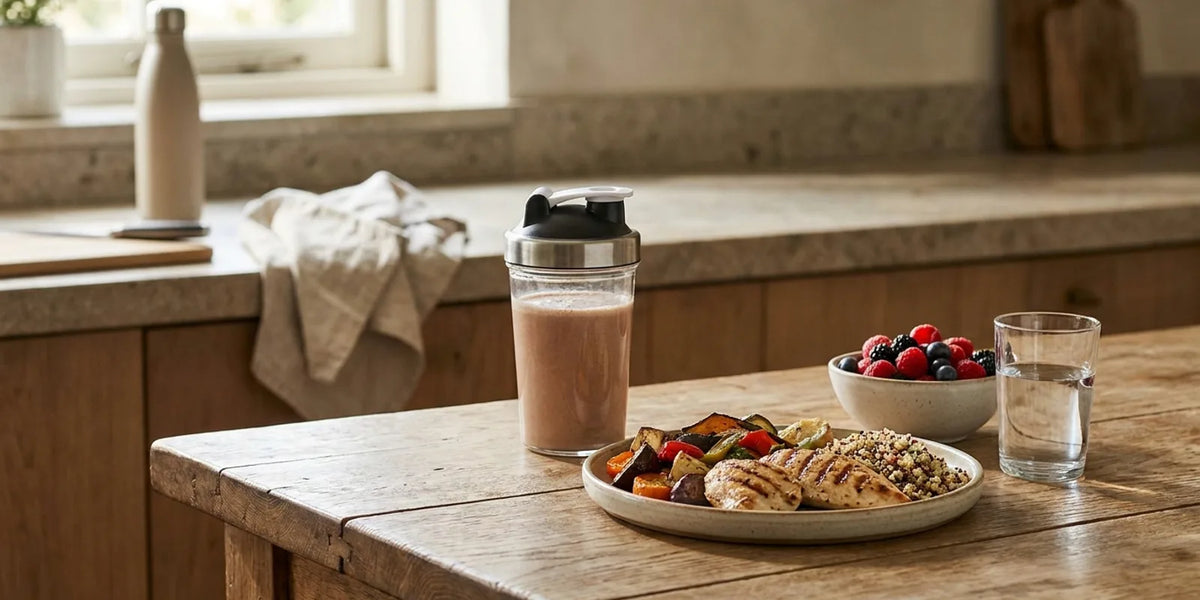
The best post-workout foods for weight loss combine a lean protein with a fiber-rich carbohydrate in a portion that fits your daily calories. Whole foods like eggs, Greek yogurt, chicken, and sweet potatoes work well because they are filling and nutrient dense.
The video above walks through practical whole-food choices that pair protein and carbs for recovery.
Quick snacks for lighter or low-intensity days
For shorter or lower-intensity sessions, a small protein-forward snack is usually enough.
- Greek yogurt with berries: Protein plus fiber and natural sweetness.
- Cottage cheese and fruit: Filling, high protein, low effort.
- Banana with a small scoop of peanut butter: Easy carbs and a little protein and fat.
Full meals after strength or high-intensity training
After demanding sessions, a complete meal supports recovery and keeps you satisfied for hours.
- Chicken, brown rice, and vegetables: A classic lean protein and carb combo.
- Eggs with whole-grain toast: Complete protein with fiber-rich carbs.
- Salmon with sweet potato: Protein, healthy fats, and slow carbs.
Build the training that fuels these meals with home equipment, from a RitFit Gator adjustable weight bench to ideas in our 30 best home gym workouts.
What should you eat after a late-evening workout?
After a late-evening workout, keep the meal light and protein-forward so you recover without overshooting your daily calories. A small serving of Greek yogurt, cottage cheese, a protein shake, or a few eggs is plenty before bed.
- Best choices: Casein-rich options like cottage cheese or Greek yogurt digest slowly and support overnight recovery.
- Keep it modest: Skip large, high-fat, or sugary snacks that add calories you do not need late at night.
- Low-intensity exception: After an easy evening walk, you may not need a dedicated meal at all.
Pairing evening sessions with proper recovery habits matters, and our guide on what helps sore muscles after a workout covers the rest of the picture.
Which post-workout eating mistakes stall fat loss?
The most common post-workout mistakes that stall fat loss are overeating to reward a session and treating extra food as calorie-free. Both quietly push your daily total above your deficit.
- Reward eating: A workout rarely burns as much as people assume, so large post-workout treats can erase the deficit.
- Liquid calorie creep: Sugary recovery drinks and oversized smoothies add calories fast with little fullness.
- Skipping protein entirely: Cutting protein can hinder recovery and leave you so hungry you overeat later.
According to the American Diabetes Association, lower-intensity weight-loss workouts such as power walking, jogging, or cycling under an hour often do not require an intentional post-workout meal. Strength training with reliable weight bench workouts for muscle growth is where a real recovery meal pays off most.
How do you put it all together?
To put it together, fit a post-workout meal of lean protein and fiber-rich carbs into your planned daily calories, and let total intake, not timing, drive your weight loss. Match meal size to workout intensity.
- Step 1: Set a daily calorie and protein target that creates a modest deficit.
- Step 2: After training, eat 20 to 30 grams of protein plus a carb portion sized to the session.
- Step 3: Keep training consistent to protect muscle and support metabolism.
For broader body-composition planning, our overview of home workouts and body-composition goals rounds out your approach.
FAQs About What to Eat After a Workout to Lose Weight
Will eating after a workout stop me from losing weight?
No. Eating after exercise does not cancel your calorie burn or cause weight gain by itself. Weight loss depends on your total daily calories, not on whether you eat post-workout. A sensible protein and carb meal supports recovery and helps control later hunger, which can actually make staying in a deficit easier over the whole day.
What is the best thing to eat after a workout to lose weight?
Pair a lean protein with a fiber-rich carbohydrate. Good options include Greek yogurt with berries, eggs with whole-grain toast, grilled chicken with sweet potato, or a protein smoothie with fruit. This combination supports muscle recovery and keeps you full, while lean choices help you stay within your daily calorie target for fat loss.
How much protein should I eat after exercising?
Guidance summarized from the International Society of Sports Nutrition suggests roughly 20 to 40 grams of protein every three to four hours to support recovery and body composition. For most people losing weight, a post-workout meal or snack with about 20 to 30 grams of protein from foods like eggs, yogurt, chicken, or tofu is a practical target.
Do I have to eat within 30 minutes after my workout?
Not for most people. The strict 30-minute anabolic window has been largely overstated. Timing matters far less than your total daily protein and overall calorie balance, as long as you eat within a few hours. Hitting your daily protein and staying in a calorie deficit matters more for weight loss than rushing food immediately after training.
What should I eat after a late-night workout if I want to lose weight?
Keep it light and protein-forward so you recover without overshooting your daily calories. A small serving of Greek yogurt, cottage cheese, a protein shake, or a few eggs works well. Skip large high-fat or sugary snacks before bed. If the workout was low intensity, you may not need a dedicated post-workout meal at all.
Should I skip post-workout food entirely to lose weight faster?
Usually not a good idea after intense or strength training. Skipping protein can hinder muscle recovery and may leave you so hungry later that you overeat. For low-intensity sessions, a separate post-workout meal often is not necessary. The smarter approach is to fit your post-workout food into your planned daily calories rather than skipping it.
Conclusion
What you eat after a workout supports fat loss when it fits your daily calories, pairs lean protein with fiber-rich carbs, and matches the intensity of your session. Timing is flexible, so eat within a few hours rather than chasing a strict window.
Start by setting a modest calorie deficit and a daily protein target, then keep training consistent to protect muscle while you lose fat.
Disclaimer
This article offers general healthy-eating information for active adults and is not medical, nutritional, or weight-loss advice for any individual. Consult a registered dietitian or qualified healthcare professional before making significant changes to your diet or exercise routine.
References
1. Josse AR, Atkinson SA, Tarnopolsky MA, Phillips SM. Increased consumption of dairy foods and protein during diet- and exercise-induced weight loss promotes fat mass loss and lean mass gain in overweight and obese premenopausal women. The Journal of Nutrition. 2011;141(9):1626-34. https://pmc.ncbi.nlm.nih.gov/articles/PMC3159052/
2. Layman DK. Impacts of protein quantity and distribution on body composition. Frontiers in Nutrition. 2024;11:1388986. https://pmc.ncbi.nlm.nih.gov/articles/PMC11099237/
3. Nunes EA, Colenso-Semple L, McKellar SR, et al. Systematic review and meta-analysis of protein intake to support muscle mass and function in healthy adults. Journal of Cachexia, Sarcopenia and Muscle. 2022;13(2):795-810. https://pmc.ncbi.nlm.nih.gov/articles/PMC8978023/