The conventional barbell deadlift is a powerful posterior-chain builder, but it is not the only way to build strength from the floor. For lifters with low-back discomfort, limited mobility, or a compact home gym, the best deadlift alternatives deliver comparable glute and hamstring work with less setup and more equipment options.
This guide ranks eight deadlift alternatives, explains how to choose one, and covers weight selection, progression, and safety stop points. Most need only dumbbells, kettlebells, or a trap bar.
Quick Answer: The best deadlift alternatives for most home lifters are the trap bar deadlift, Romanian deadlift, kettlebell swing, hip thrust, leg press, back extension, single-leg Romanian deadlift, and cable pull-through. Choose the trap bar for a similar floor pull with less lumbar demand, the Romanian deadlift for hamstring loading, and the hip thrust for direct glute strength.
Key Takeaways
- Best all-round swap: The trap bar deadlift comes closest to a conventional deadlift while reducing lumbar demand.
- Hamstring focus: The Romanian deadlift and single-leg Romanian deadlift build the hamstrings with lighter loads.
- Glute focus: Hip thrusts place the glutes under direct load and pair well with any hinge.
- Conditioning bonus: Kettlebell swings teach a fast hip hinge and add work capacity.
- Safety rule: Stop any alternative at the first sign of sharp pain, and add load only with clean form.
Why Consider a Deadlift Alternative?
The main reasons to choose a deadlift alternative are low-back discomfort, mobility limits, equipment constraints, and skill level. Alternatives let you train the hinge pattern and posterior chain with a shorter lever arm, a lighter load, or a guided path.
- Lower back relief: Neutral-grip and supported options reduce lumbar shear compared with a floor pull.
- Equipment flexibility: Dumbbells, kettlebells, trap bars, and machines all work in a home gym.
- Easier skill progression: The hip hinge can be learned with lighter, more forgiving loads.
The conventional version still has its place, and our How To Deadlift Instructions covers the full setup. If you want to understand the movement category, Is The Deadlift A Push Or Pull Guide explains why hinging builds the posterior chain.
How to Choose the Right Deadlift Alternative
Match the alternative to your goal, gear, and pain tolerance. Choose the trap bar for a floor pull, the Romanian deadlift for hamstrings, the hip thrust for glutes, and the leg press when you want seated lower-body work.
- For low-back sensitivity: Trap bar deadlift, hip thrust, back extension.
- For hamstring focus: Romanian deadlift, single-leg Romanian deadlift, cable pull-through.
- For glute focus: Hip thrust, kettlebell swing, back extension.
- For limited space: Dumbbells, kettlebells, or a leg press machine.
Footwear also plays a role in how these movements feel. A systematic review found that footwear selection can influence lower-limb biomechanics across a range of strength-training exercises[1].
One controlled study found that heavier, stiffer shoe designs increased subjective discomfort ratings during precise lifting tasks[2], while another study of 30 lifters found no difference in peak force or velocity between barefoot and shod deadlifting, though the shod condition increased barbell vertical displacement and total mechanical work[3]. In practice, a flat stable shoe with a thin sole supports consistent hinging for most alternatives.
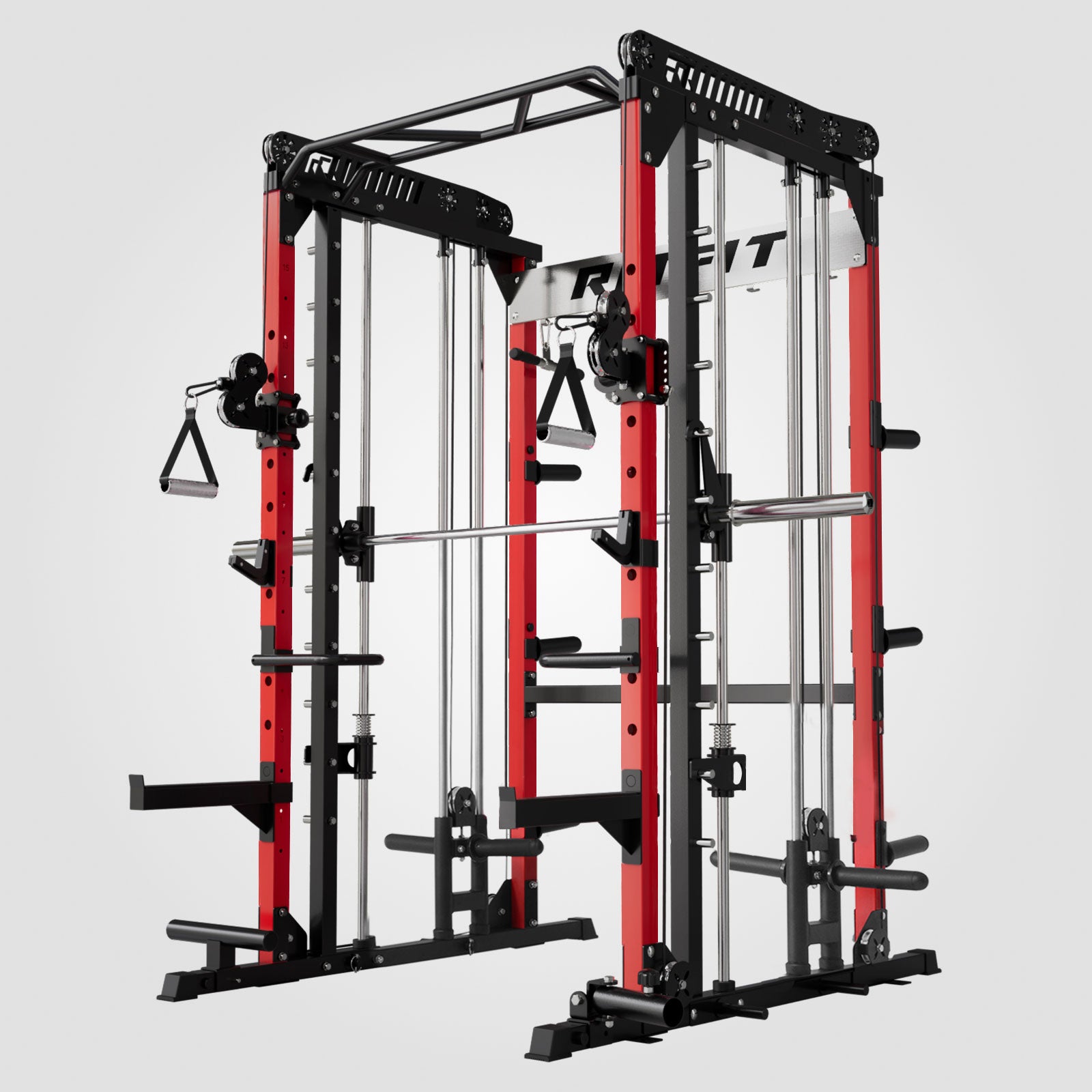
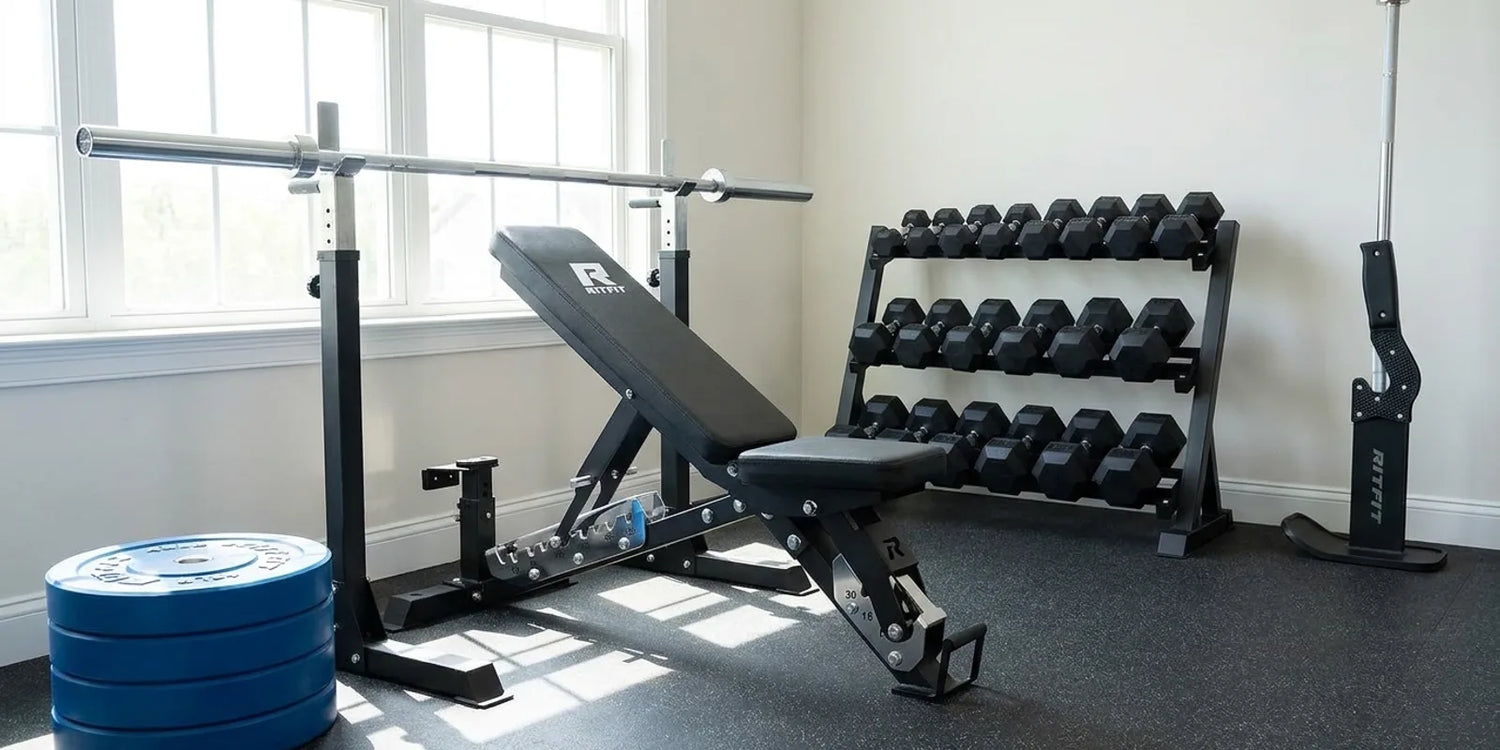
For home setup, a barbell and plate set gives you the most hinging options, and the Barbells And Weight Plates collection covers both. The Ritfit Deadlift Jack Barbell Stand makes loading floor pulls faster and reduces bending between sets.
1. Trap Bar Deadlift
The trap bar deadlift is the closest replacement for a conventional deadlift because it uses the same hip hinge but with neutral handles and a center of mass closer to the body. This setup shortens the lever arm on the lumbar spine and feels more natural for many lifters.
- Setup: Stand inside the bar with feet hip-width and grip the neutral handles.
- Form: Hinge at the hips, keep the chest up, and drive the floor away to stand tall.
- Load: Start at about 60 percent of your conventional deadlift and build from there.
Our How To Do A Trap Bar Deadlift guide breaks down setup and rep schemes step by step.
2. Romanian Deadlift
The Romanian deadlift is a hip hinge that targets the hamstrings and glutes with less spinal compression than a deadlift that starts from the floor. It keeps the barbell or dumbbells in your hands and loads a lengthened hamstring position throughout the descent.
- Setup: Hold the load at thigh height with a shoulder-width stance.
- Form: Push the hips back, keep a soft knee bend, and stop when the back stays neutral.
- Load: Use 3 to 4 sets of 8 to 12 reps and add weight only when the hinge stays smooth.
If you train on a guided rack, How To Do Smith Machine Romanian Deadlift shows the same hinge with fixed-bar support, and Smith Machine Deadlifts Benefits Tips Comparison explains the trade-offs.
3. Kettlebell Swing
The kettlebell swing is a hip-hinge drill that develops posterior-chain power and conditioning, driven by a forceful hip snap rather than a slow lift. It suits lifters who want a dynamic, time-efficient alternative that also trains the grip.
- Setup: Hold the kettlebell with both hands and hinge back with a flat back.
- Form: Snap the hips forward to float the bell to chest height, then hinge again.
- Rounds: Use 4 to 6 rounds of 30 seconds on and 30 seconds off.
The related How To Do Kettlebell Deadlifts guide teaches a slower kettlebell hinge that pairs well with this section.
4. Hip Thrust
The hip thrust isolates hip extension and places the glutes under direct load, which makes it one of the most effective deadlift alternatives for glute strength. It removes the spinal loading of a floor pull while keeping the hinge pattern in the hips.
- Setup: Rest your upper back on a bench and plant your feet flat with the bar or pad over the hips.
- Form: Drive through the heels to lift the hips until the torso is parallel to the floor.
- Load: Use 3 to 4 sets of 8 to 12 reps and squeeze at the top of each rep.
5. Leg Press
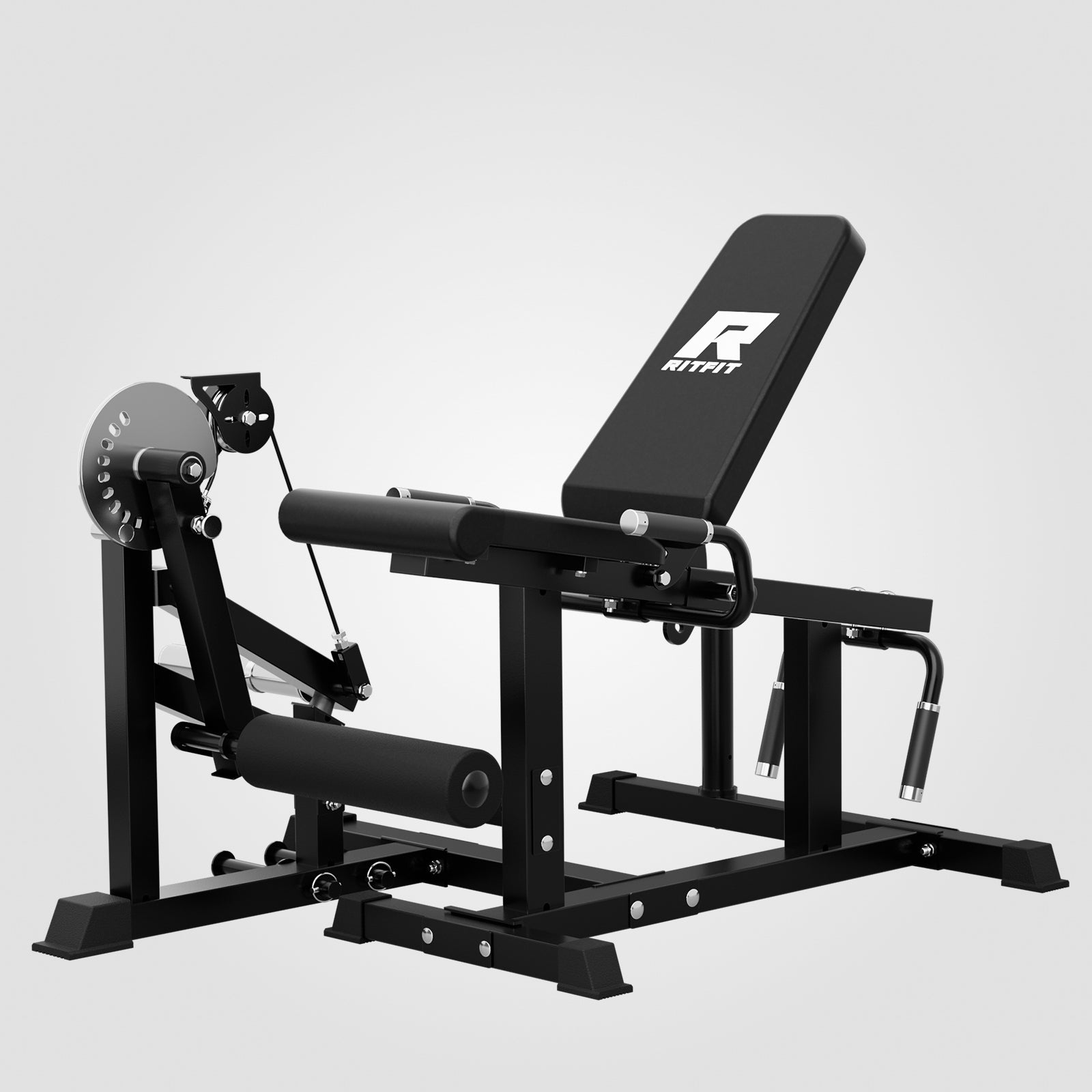
The leg press is a seated alternative that trains the quads and glutes with back support, which suits lifters who want lower-body work without hinging. It is a good option on days when the low back needs a break from standing loads.
- Foot placement: High feet bias the glutes and hamstrings, while low feet bias the quads.
- Machine: Keep the back and hips pinned to the pad and avoid locking the knees.
- Caution: Reduce the range if the hips lift off the pad.
6. Back Extension and Reverse Hyper
Back extensions and reverse hypers train the posterior chain with the low back in a supported or counterweighted position, which is why coaches often use them for back health. Both movements build the erectors and glutes with minimal spinal compression.
- Back extension: Hinge forward on a 45-degree bench and return with control.
- Reverse hyper: Lie face down on the bench and lift the legs against a swinging pad.
- Load: Add a plate or band only after 15 clean bodyweight reps.
"It's never unwise to hammer the posterior-chain which is often a weak link among lifters and athletes. Reverse hypers are therapeutic for the low back. These lifts will improve squat and deadlift strength as well as sprinting speed."
Bret Contreras, PhD, Contreras Strength Institute
7. Single-Leg Romanian Deadlift
The single-leg Romanian deadlift challenges balance and works each hamstring and glute unilaterally, which helps address side-to-side strength gaps. It requires a lighter load than the two-leg version and teaches the same hip hinge.
- Setup: Hold one dumbbell in the opposite hand and hinge one leg back.
- Form: Keep the hips square and lower until the back stays neutral.
- Load: Start with 2 to 3 sets of 8 reps per side and progress slowly.
For the full movement breakdown, see How To Do A Single Leg Romanian Deadlift.
8. Cable Pull-Through
The cable pull-through is a hinge-based alternative that keeps tension on the posterior chain throughout the full range without loading the spine vertically. It is beginner-friendly because the cable guides the path and the load is easy to control.
- Setup: Face away from a low cable with the rope between your legs.
- Form: Push the hips back, then snap them forward to stand tall.
- Load: Use 3 sets of 12 to 15 reps and stop at the hip hinge limit.
Sample Deadlift Alternative Workout
A balanced deadlift alternative workout combines one hip-hinge lift, one glute isolation, and one unilateral or conditioning movement across 3 to 4 sessions per week. Rotate the movements so each session builds a different piece of the posterior chain.
- Strength day: Trap bar deadlift 4 x 6, hip thrust 3 x 8, back extension 3 x 12.
- Hamstring day: Romanian deadlift 3 x 10, single-leg Romanian deadlift 3 x 8 each side, cable pull-through 3 x 12.
- Conditioning day: Kettlebell swing 6 rounds of 30 seconds on and 30 seconds off.
For an extra variation that keeps the hinge fresh, add the How To Do The Suitcase Deadlift as a unilateral carry option.
Common Mistakes and Safety Tips
The most common mistakes are rounding the lower back, rushing the descent, and adding load before the hinge pattern is smooth, so train the pattern first and stop on sharp pain. These errors raise injury risk even with a lighter alternative.
- Rounding the back under load: Reset your brace and lower the weight.
- Too much weight too soon: Prioritize control over the number on the bar.
- Ignoring pain: Stop if you feel sharp or radiating pain in the back or hip.
- Skipping the warm-up: Do a few glute bridges and hip hinges before heavy sets.
If hamstring strength is your main goal, Leg Curl Alternatives Exercises For Stronger Hamstrings rounds out your options.
FAQs About Best Deadlift Alternatives
What is the best deadlift alternative for lower back pain?
The trap bar deadlift is a strong choice for lower back pain because the neutral grip and elevated handles shorten the lever arm on the lumbar spine.
The Romanian deadlift and kettlebell swing also build hinge strength with lighter loads.
Start light and consult a physical therapist before adding weight.
Can you build a strong posterior chain without deadlifting?
Yes, you can build a strong posterior chain without deadlifting.
Hip thrusts, Romanian deadlifts, kettlebell swings, and back extensions all load the glutes and hamstrings directly.
Footwear choice can also influence lower-limb mechanics during strength exercises, so a stable flat sole supports consistent hinge technique across every alternative.
Is a trap bar deadlift easier on the lower back than a barbell deadlift?
Many lifters find the trap bar deadlift more comfortable for the lower back.
The neutral grip and elevated handles bring the load closer to the body, which can reduce lumbar shear compared with a conventional deadlift.
Individual anatomy varies, so test both and keep the spine neutral while you lift.
How do I choose between a Romanian deadlift and a kettlebell swing?
Choose the Romanian deadlift when you want a slow, controlled hamstring stretch under load, and choose the kettlebell swing when you want a dynamic hinge-powered conditioning drill.
The Romanian deadlift emphasizes eccentric control, while the swing uses hip snap and momentum.
Both teach a proper hip hinge and build the posterior chain.
Can beginners do deadlift alternatives at home with limited equipment?
Yes, beginners can do deadlift alternatives at home with minimal gear.
A pair of dumbbells or kettlebells supports Romanian deadlifts, single-leg Romanian deadlifts, and goblet-style hinges.
Bodyweight hip thrusts and glute bridges need no equipment at all.
Add load only after you can hinge with a flat neutral back through the full range.
How many sets and reps should I do for deadlift alternatives?
For strength-focused hinge work, aim for 3 to 5 sets of 5 to 8 reps with a heavier load.
For muscle growth, use 3 to 4 sets of 8 to 12 reps.
For conditioning-oriented swings, use 4 to 6 rounds of timed intervals.
Start with the lightest controlled weight and add load only when technique stays smooth.
Conclusion
The best deadlift alternatives let you build a strong posterior chain without the setup, mobility, or back-pain barriers of a conventional floor pull. The trap bar deadlift, Romanian deadlift, kettlebell swing, hip thrust, leg press, back extension, single-leg Romanian deadlift, and cable pull-through cover every training goal.
Pick one hinge and one glute movement, run the sample workout for 4 to 6 weeks, and add load only when form stays clean. Browse the RitFit sales page to outfit your home gym with the barbell, plates, and bench you need.
Disclaimer
This guide is for general fitness information and is not medical advice, and you should not use it to self-diagnose or treat an injury. Consult a qualified healthcare provider or coach before starting a new program, especially if you have existing back or joint conditions.
References
1. Rodríguez-Longobardo C, Gómez-Ruano MÁ, Canosa-Carro L. Effects of Barefoot and Minimalist Footwear Strength-Oriented Training on Foot Structure and Function in Athletic Populations: A Systematic Review. J Clin Med. 2025;14(21). PMCID: PMC12609320
2. Alferdaws FF, Ramadan MZ. Effects of Lifting Method, Safety Shoe Type, and Lifting Frequency on Maximum Acceptable Weight of Lift, Physiological Responses, and Safety Shoes Discomfort Rating. Int J Environ Res Public Health. 2020;17(9). PMCID: PMC7246667
3. Valenzuela KA, Walters KA, Avila EL, Camacho AS, Alvarado F, Bennett HJ. Footwear Affects Conventional and Sumo Deadlift Performance. Sports (Basel). 2021;9(2). PMCID: PMC7918349