








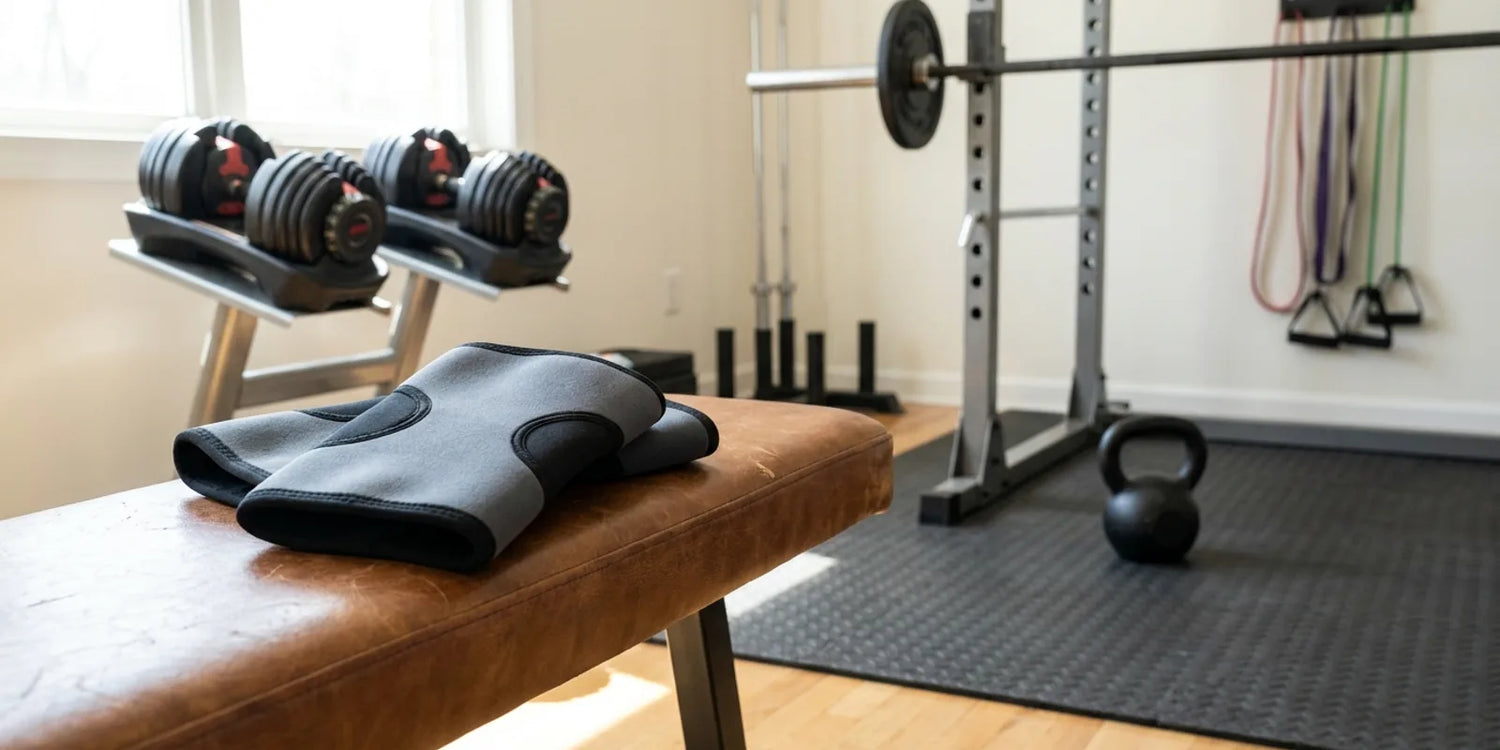
Knee braces are wearable supports for a painful, injured, or healing knee, and some people also wear them during sports to try to reduce injury risk. They are built from combinations of metal, foam, plastic, elastic materials, and straps, and they come in many sizes, colors, and designs.
This guide explains the main types of knee braces, what the evidence says about how well they work, and how to choose, use, and care for one.
It also covers why exercise still matters when you wear a brace.
Always talk to your doctor before buying or using a knee brace.
Quick Answer: Knee braces provide support, stability, and compression for an injured or painful knee, and some types are worn to reduce injury risk during sports. They help many people manage discomfort and protect healing joints, but research is mixed on injury prevention. Your doctor should guide whether you need one and which type fits your situation.
Key Takeaways
- Four Main Types: prophylactic, functional, rehabilitative, and unloader braces each serve a different purpose for the knee.
- Mixed Evidence: braces often perform better in the laboratory than in daily use, and prevention benefits are still debated.
- Doctor First: a healthcare provider should determine whether you need a brace and which kind fits your knee problem.
- Fit and Placement: hinges must line up with your knee bend, and placement should be checked during activity.
- Exercise Wins: stretching, strengthening, and technique matter more than a brace for long-term knee health.
What Are Knee Braces?
Knee braces are wearable supports designed for a painful, injured, or healing knee, and some people wear them during sports to try to reduce injury risk. They come in many sizes, colors, and designs, from simple elastic sleeves to hinged rigid frames.
- Support and Stability: a brace can steady the joint, limit harmful movement, and add a protective layer during activity.
- Pain and Recovery Tool: some types are used after surgery or to relieve pressure on an arthritic knee.
No single brace fits every knee problem, so the right choice depends on your situation and your doctor's advice. If you are also considering softer options, our guide to knee sleeves and when to wear them explains how sleeves differ from rigid braces.
What Kinds of Knee Braces Are There?
There are four main kinds of knee braces, and each one is designed for a different job. They include prophylactic, functional, rehabilitative, and unloader braces.
- Prophylactic braces: designed to protect knees from injuries during contact sports such as football.
- Functional braces: give support to knees that have already been injured.
- Rehabilitative braces: limit harmful knee movement while a knee is healing after an injury or surgery.
- Unloader braces: designed to provide relief to people who have arthritis in their knees.
The type your doctor recommends depends on your specific knee problem, so ask which category fits your situation. For another lightweight option, read about patellar straps and whether they help with knee issues.
Do Knee Braces Actually Work?
Knee braces work for some people more than others, and scientific studies have not reached a complete agreement on their benefits. Functional, rehabilitative, and unloader braces are generally considered the most effective types.
- Laboratory vs Real Life: braces often work better in the laboratory than they do in normal use.
- Individual Results: some people feel real relief, while others see little difference.
- Prevention Debate: some athletes worry that braces may actually increase the number of knee injuries.
In general, most people who wear knee braces feel that they help, and doctors are still learning about when they work best. If you are dealing with ongoing discomfort, our guide to relieving knee pain in 30 seconds offers a quick starting point.
When Are Knee Braces Used?
Different knee problems call for different knee braces, and your doctor may suggest a specific type after surgery or for support instead of surgery. Braces are also used for pain in the front of the knee that does not improve with strengthening and flexibility exercises.
- After Surgery: some doctors recommend a rehabilitative brace to limit harmful movement while the knee heals.
- Ligament Support: others use a functional brace for support instead of surgery for a torn knee ligament.
- Not a Prevention Guarantee: braces do not seem to work well at stopping knee injuries from happening.
Get your doctor's advice before you try a knee brace, and pair it with the right recovery plan. Our guide to physical therapy for knee pain and our overview of physical therapy for the knee can help you build a fuller recovery picture.
How Do I Get a Knee Brace?
You can get a knee brace from pharmacies, medical supply stores, manufacturers, or online, and your doctor is one of the best resources for choosing the right one. Your doctor can help you pick a brace, get the correct size, and find a company that matches your needs.
- Cost Range: some knee braces cost hundreds of dollars, and insurance sometimes covers them.
- Fit Matters: a correct size matters more than brand or price.
- Expensive Is Not Better: the most expensive brace is not always the best one.
Bring your knee history and your activity goals to a conversation with your healthcare provider before you buy. A proper fit keeps the brace comfortable enough to wear during the activities that matter.
How Do I Use a Knee Brace?
During sports, knee braces should be used exactly as directed by your doctor, and the hinges should sit where the knee bends. Straps, tapes, and hook-and-loop closures should be fastened snugly around your leg.
- Check Placement: inspect the brace during activities to make sure it has not moved.
- Wear It Consistently: a brace should be worn during all activities that put your knee at risk.
- Warm Up First: never skip a proper warm-up before beginning any athletic activity.
A poorly positioned brace can hurt rather than help, so stop and reset it if it shifts during movement. For lifters, our guide to knee wraps for weightlifting explains how wraps differ from braces.
How Do I Care for My Knee Brace?
Knee braces often get damaged during normal use, so inspect yours often for wear and tear. Regular cleaning with soap and water is good for the brace fabric, and a worn-out brace should be replaced for maximum benefit.
- Inspect Often: check straps, hinges, and padding for signs of wear.
- Protect Others: cover exposed metal so it does not injure people nearby.
- Replace When Worn: a worn-out brace should be replaced to keep getting the benefit.
More durable materials may cost more, but they can last longer and stay safer over time. Follow any care instructions that come with your brace.
Should I Keep Doing Leg Exercises With a Knee Brace?
Yes, keep doing leg exercises even with a knee brace, because the brace is only a support and not a replacement for strength. Stretching, strengthening, and better technique matter far more for knee health than the brace itself.
- Brace Is Not a Crutch: you can still injure your knee even while wearing a brace.
- Progress Slowly: change intensity or training schedules little by little to limit knee stress.
- Build Strength and Flexibility: strong, flexible muscles help hold down knee pain and injury risk.
Work out an exercise plan with your doctor to get the best program for your situation. Start with how to strengthen the muscles around your knee, add home exercises for knee pain relief and stronger joints, and try standing exercises to restore knee strength.
"Strengthening the muscles around the knee is the way to go to get rid of some of this knee pain. A lot of us are probably using the wrong exercises and focusing on the wrong muscles."
Jeff Cavaliere, MSPT, CSCS, Physical Therapist and Strength Coach, former Head Physical Therapist for the NY Mets, Athlean-X, Jeff Cavaliere Shows How To Fix Knee Pain With Simple Exercises
FAQs About Knee Braces
Can a knee brace prevent a knee injury during sports?
Evidence on knee braces for injury prevention is mixed.
Prophylactic braces are worn in contact sports, but studies have not fully agreed on how well they prevent injuries.
Braces often work better in the laboratory than in real use.
Talk to your doctor about whether a brace is right for your sport.
How long should I wear a knee brace each day?
The right wearing schedule depends on your knee problem and your doctor's advice.
Some people wear a brace only during risky activities, while others need it more often during recovery.
Check the brace placement throughout the day to make sure it has not moved.
Ask your doctor for a schedule that fits your situation.
Are knee sleeves the same as knee braces?
No, knee sleeves and knee braces are different.
Sleeves are stretchy and add compression and warmth, while braces use more rigid materials such as metal, plastic, and hinges for stronger support.
The right choice depends on your knee problem.
A doctor can help you decide which option fits your needs.
Does a knee brace weaken my knee?
A knee brace supports a joint, but it is not a replacement for strength.
Even with a brace on, you could still injure your knee.
Stretching, strengthening, and better technique matter more for long-term knee health.
Do not let a brace become a crutch.
Follow a doctor-approved exercise plan.
When should I see a doctor about knee pain?
See a doctor if knee pain is severe, lasts more than a few days, or follows a clear injury.
Sudden swelling, an inability to bear weight, or a knee that locks or gives way also need medical attention.
Knee braces can help, but a professional should guide your treatment and recovery plan.
Conclusion
Knee braces provide useful support for an injured or painful knee, and some types are worn to reduce injury risk during sports. The evidence on prevention is mixed, so a brace is best seen as one tool rather than a complete solution.
Talk to your doctor to choose the right type and size, use the brace as directed, and keep strengthening the muscles around the knee. Build a safe home routine that fits your space and budget with RitFit home gym equipment.
Disclaimer
The information in this article is for general education only and is not a substitute for professional medical advice, diagnosis, or treatment. Always consult your doctor or a qualified healthcare provider before starting, changing, or stopping any knee brace use or exercise program.





