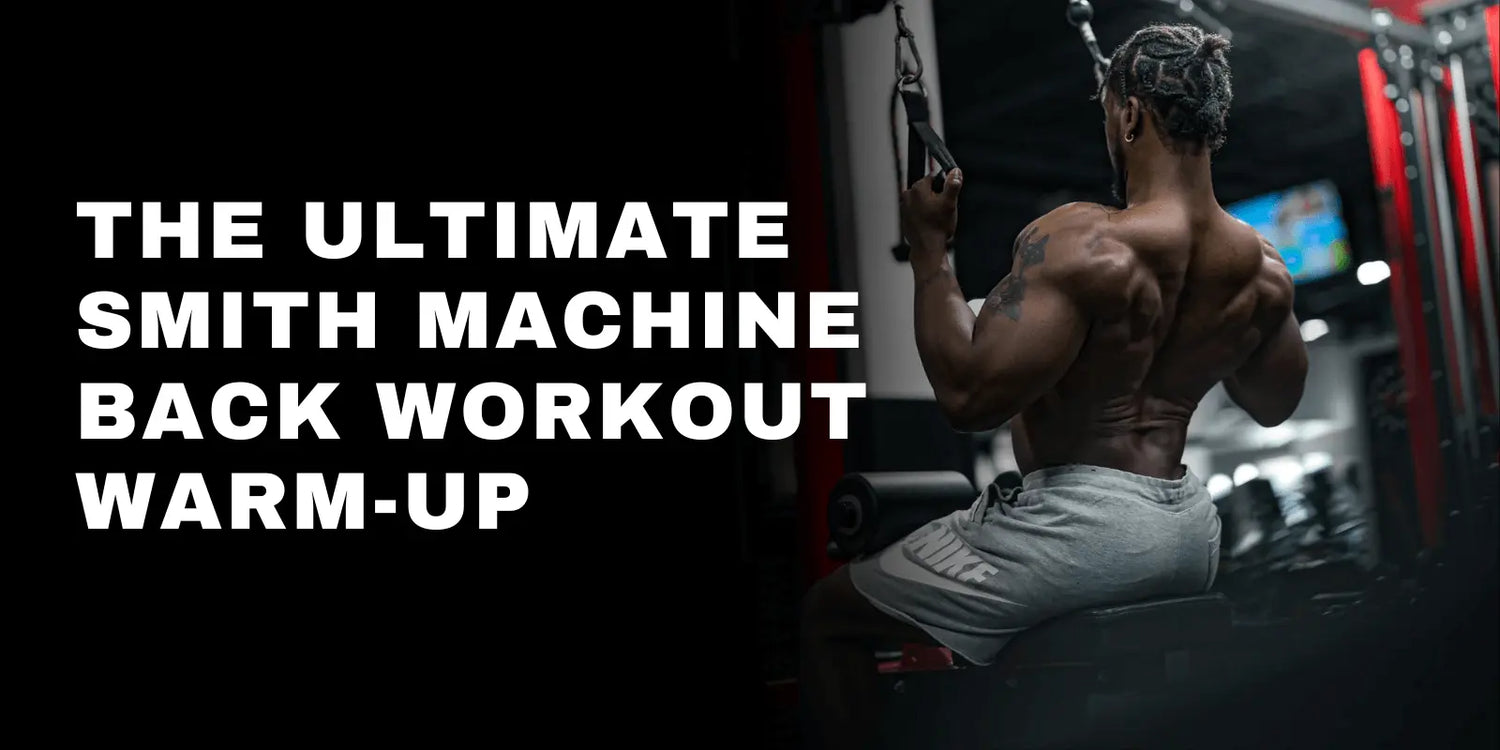
Warm up before a Smith machine back workout by raising body temperature, opening the thoracic spine, activating the lats and scapular stabilizers, and rehearsing the fixed bar path with light load. This helps you row and pull from a cleaner position, which matters even more when the machine will not adjust to stiff shoulders, a rushed hinge, or weak bracing.
Key Takeaways
- A good Smith machine back warm up should raise temperature, improve thoracic movement, activate scapular control, and rehearse the fixed bar path before heavy work.
- Dynamic preparation is usually a better pre lift choice than long static stretching for rows, rack pulls, and other demanding back patterns.
- The most useful drills are simple, cat camel, thoracic rotation, bird dog, arm circles, ladder reaches, scapular pulls, and light feeder sets.
- If you are new to the machine, fixed path rehearsal matters almost as much as mobility, because the bar path will not adapt to poor setup.
- The best warm up is short, specific, repeatable, and easy to scale for beginners, tight shoulders, or low back sensitivity.
The Problem, Why You Cannot Just Jump In
A structured warm up raises tissue temperature and prepares the neuromuscular system for the session ahead. That matters even more before back training on a fixed bar path, and current review literature continues to support warm up as a meaningful part of session readiness.[1]
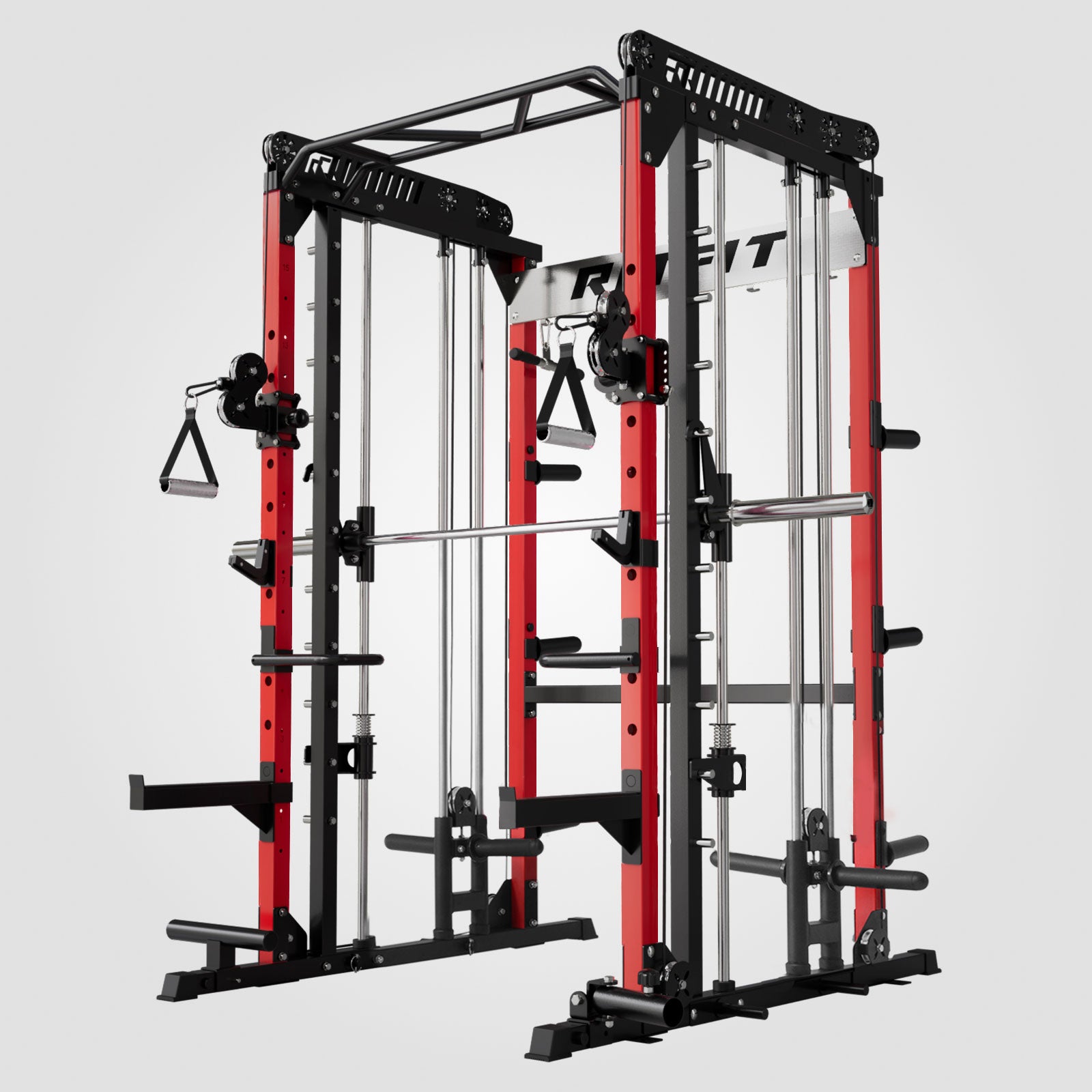
If you train on a home Smith machine, the bar will move where the rails tell it to move, not where your mobility limitations want it to go. If you are still learning the equipment itself, start with what is a Smith machine and then map this warm up onto your next Smith machine back workout.
The most common breakdown is not a dramatic injury, it is quiet compensation. A stiff upper back, sleepy lats, or rushed hinge can shift stress into the neck, shoulders, or lower back before the real work even starts.
Why This Warm Up Matters
This warm up works because it prepares the joints, the movement pattern, and the muscles that should control the lift. It also gives you a fast readiness check before the weight gets serious.
- Dynamic preparation beats passive drifting: Long static holds right before heavy pulling are not the best default choice, because they can reduce peak strength and power in the short term. Save deeper holds for after training or keep them brief if they help you get into position.[2]
- Scapular control changes the pull: Scapular control drills are worth your time because lower trapezius and serratus focused exercises can improve the muscle balance that supports cleaner shoulder mechanics. That makes it easier to set the shoulder blades before rows, hangs, and pulldown style work.[3]
- Range of motion must match the path: Tight lats, a stiff thoracic spine, and poor trunk control make a fixed path feel harsher than it should. When those areas move better, you can keep the ribcage, shoulders, and hips in a more efficient position from rep one.
The 4 Phase Warm Up Routine
Use this 8 to 10 minute sequence before Smith rows, rack pulls, inverted rows, or pulldown focused sessions. Dynamic warm ups have also outperformed static stretching warm ups for repeated sprint performance, which supports choosing movement based prep before demanding training sessions.[5]
Phase 1, Raise Temperature
Start with just enough movement to feel warm, not tired. Your goal is light sweat, easier breathing, and tissues that no longer feel stiff.
- Rower or brisk walk: Go for 2 to 3 minutes at easy effort. Keep the pace smooth so your breathing rises without turning into conditioning work.
- March and hinge if equipment is limited: If you have no cardio machine nearby, alternate fast marching with unloaded hip hinges for 60 to 90 seconds. This works well in small home gym setups.
Phase 2, Mobilize the Thoracic Spine and Lats
Thoracic prep belongs here because thoracic mobility and motor control are relevant links in the athletic kinetic chain, especially when the shoulders and trunk have to coordinate under load.[4]
- Cat camel: Perform 8 to 10 slow reps on all fours. Move segment by segment instead of rushing through the range.
- Child pose reach: Sit the hips back and reach long through the arms for 3 slow breaths. If your shoulders are tight, angle the hands slightly wider and keep the ribs down.
- Rock back thoracic rotation: Place one hand behind your head and rotate the elbow down, then up, for 6 to 8 reps per side. Keep the hips quiet so the upper back does the work.
Phase 3, Activate Trunk and Scapular Control
Once motion improves, switch to drills that make the back and trunk actually hold position. This is the phase that helps a warm up feel transferable to loaded pulling.
- Bird dog: Perform 6 to 8 reps per side with a brief pause. Reach long through heel and hand without losing a neutral torso.
- Arm circles and torso turns: Do 20 to 30 seconds each direction. Think smooth shoulder motion first, then gentle trunk rotation.
- Ladder reach: Reach one arm overhead at a time for 8 to 10 reps per side. Feel length through the lat and side body rather than forcing range.
Phase 4, Rehearse the Smith Machine Path
This is the phase many lifters skip, and it is the phase that makes the biggest difference on a fixed track. You want the first loaded set to feel familiar, not exploratory.
- Empty bar hinge: Use the empty bar to find stance, shin position, ribcage stack, and hip hinge depth. If your session includes hinge dominant pulling, review the setup cues in this Smith machine good morning guide or this Smith machine deadlift guide.
- Scapular pulls: Set the bar high, keep the feet on the floor if needed, and practice pulling the shoulder blades down and back for 8 to 10 reps. This is also a good bridge if your workout includes a Smith machine inverted row.
- Feeder sets: Use the empty bar for 12 to 15 controlled reps, then add one light feeder set before working weight. If bent over rows are your main lift, match your setup to the cues in this Smith machine row guide.
Helpful progression: If your full session also includes cable work, pulldowns, or mixed upper body training, you can extend this sequence into the setup flow from the Smith machine with cable system complete workout guide. Keep the warm up specific to the first back pattern you plan to load.
Common Mistakes to Avoid
- Going straight to working weight: A fixed path does not remove the need for preparation. It often makes preparation more important, because the machine reduces your ability to self organize around stiffness.
- Using only static stretching: Static work alone rarely gives you enough movement rehearsal for a pulling day. You still need activation and at least one unloaded patterning drill.
- Skipping the upper back: Lifters often warm the hips and forget the thoracic spine and shoulder blades. That is one reason rows turn into low back endurance tests instead of back training.
- Confusing warm up fatigue with readiness: Your warm up should make the first work set feel clearer, not harder. If you are breathing hard or your back is already pumped, you did too much.
Your Quick Cheat Sheet
| Drill | Sets | Reps or Time | Main Purpose |
|---|---|---|---|
| Pulse raiser | 1 | 2 to 3 minutes | Raise body temperature |
| Cat camel | 1 | 8 to 10 reps | Segmental spinal movement |
| Child pose reach | 1 | 3 breaths | Lat length and ribcage position |
| Rock back thoracic rotation | 1 | 6 to 8 reps per side | Thoracic rotation and control |
| Bird dog | 1 | 6 to 8 reps per side | Trunk stability |
| Arm circles and torso turns | 1 | 20 to 30 seconds each | Shoulder and trunk readiness |
| Ladder reach | 1 | 8 to 10 reps per side | Lat and side body opening |
| Empty bar hinge | 1 | 8 to 10 reps | Hip hinge rehearsal |
| Scapular pulls | 1 | 8 to 10 reps | Scapular depression and retraction |
| Feeder set | 1 to 2 | 8 to 12 reps | Groove the fixed path |
FAQs
How long should a Smith machine back workout warm up take?
Most lifters do well with 8 to 10 minutes. That gives you enough time to raise body temperature, open the thoracic spine, wake up the lats and scapular stabilizers, and rehearse the Smith machine path before your first loaded row, rack pull, or inverted row.
What muscles should a Smith machine back warm up target first?
Start with the lats, upper back, trunk stabilizers, and the muscles that control the shoulder blades. When these areas are prepared first, it is easier to keep a neutral torso, retract cleanly, and pull through the elbows instead of dumping tension into the neck or lower back.
Can a Smith machine back workout warm up help reduce lower back strain?
Yes. A good warm up can reduce avoidable compensation by preparing your hips, trunk, thoracic spine, and shoulder mechanics before loading the fixed bar path. It will not fix poor form or excessive load, but it can make neutral bracing and cleaner rowing positions easier to maintain.
Is static stretching the best choice before a Smith machine back workout?
No. Dynamic mobility and activation are usually the better first choice before heavy pulling, because they prepare movement without making the session feel flat. Brief static stretching can still fit if you are very tight, but long holds are better saved for after the workout.
Do beginners need feeder sets before Smith machine back rows?
Yes. Beginners should use at least one or two feeder sets before working weight, because the fixed path still needs practice. Starting with the empty bar, then adding a light load, helps groove stance, hinge depth, bar contact, and scapular timing before heavier rowing sets.
What should you do if your shoulders feel tight during a Smith machine back warm up?
Reduce the range, slow the drill down, and use more thoracic mobility and scapular control work before you load the bar. If tightness turns into sharp pain, numbness, or pinching, stop the session and get individual advice instead of forcing full range under load.
Conclusion
A strong Smith machine back session usually starts with a better setup, not a heavier plate. Warm up with intent, rehearse the path, and then move into your main work with cleaner positions and better back engagement, especially if your next step is a longer routine from these Smith machine back workouts.
Disclaimer: This guide is for general education and is not medical advice. Stop if you feel sharp pain, numbness, or radiating symptoms. If you have a recent shoulder, neck, or low back injury, get clearance from a qualified clinician before loaded Smith machine pulling.
References
- Afonso J, Brito J, Abade E, et al. Revisiting the Whys and Hows of the Warm Up, Are We Asking the Right Questions. Sports Med. 2024;54(1):23-30. doi:10.1007/s40279-023-01908-y
- Chaabene H, Behm DG, Negra Y, Granacher U. Acute Effects of Static Stretching on Muscle Strength and Power, An Attempt to Clarify Previous Caveats. Front Physiol. 2019;10:1468. doi:10.3389/fphys.2019.01468
- Schory A, Bidinger E, Wolf J, Murray L. A Systematic Review of the Exercises That Produce Optimal Muscle Ratios of the Scapular Stabilizers in Normal Shoulders. Int J Sports Phys Ther. 2016;11(3):321-336.
- Heneghan NR, Lokhaug SM, Tyros I, et al. Clinical Reasoning Framework for Thoracic Spine Exercise Prescription in Sport, A Systematic Review and Narrative Synthesis. BMJ Open Sport Exerc Med. 2020;6(1):e000713. doi:10.1136/bmjsem-2019-000713
- Zmijewski P, Lipinska P, Czajkowska A, Mroz A, Kapuscinski P, Mazurek K. Acute Effects of a Static Vs. a Dynamic Stretching Warm Up on Repeated Sprint Performance in Female Handball Players. J Hum Kinet. 2020;72:161-172. doi:10.2478/hukin-2019-0043