A belt squat is a lower-body squat variation that hangs the resistance from a belt worn around your hips instead of resting a bar on your shoulders and spine.
Suspending the load from the hips removes most spinal compression while still training the quads, glutes, and hamstrings through a full squat pattern.
Below you will learn how the unload works, which muscles it hits, and how to set up and progress it. It is informational, not medical advice, so stop any set that provokes sharp pain.
Quick Answer: A belt squat is a squat variation that attaches the weight to a belt around your hips rather than placing it on your back, so you can squat through a full range of motion with most of the spinal compression removed. In a 2018 biomechanics comparison in J Strength Cond Res, belt squats showed lower low-back moments than back squats while preserving lower-body loading, making them a spine-friendly leg option.
Key Takeaways
- Spine-friendly loading: A belt squat attaches the load to a hip belt, removing most axial spinal compression that a barbell on the back creates.
- Strong lower-body work: Biomechanics research found belt squats cut low-back moments while preserving or increasing loading at the knee and ankle.
- Muscle targets: The belt squat emphasizes the quadriceps with strong glute and hamstring involvement.
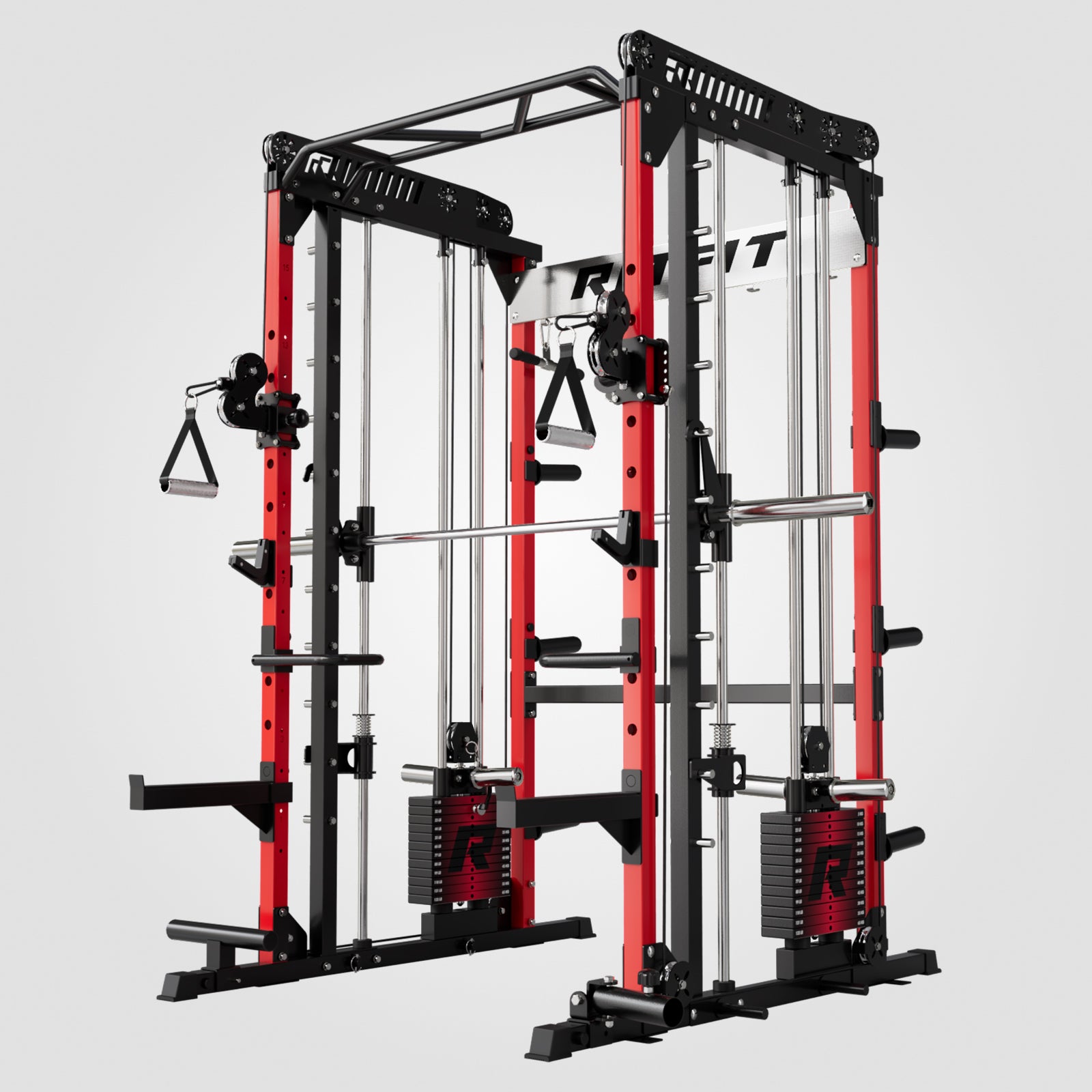
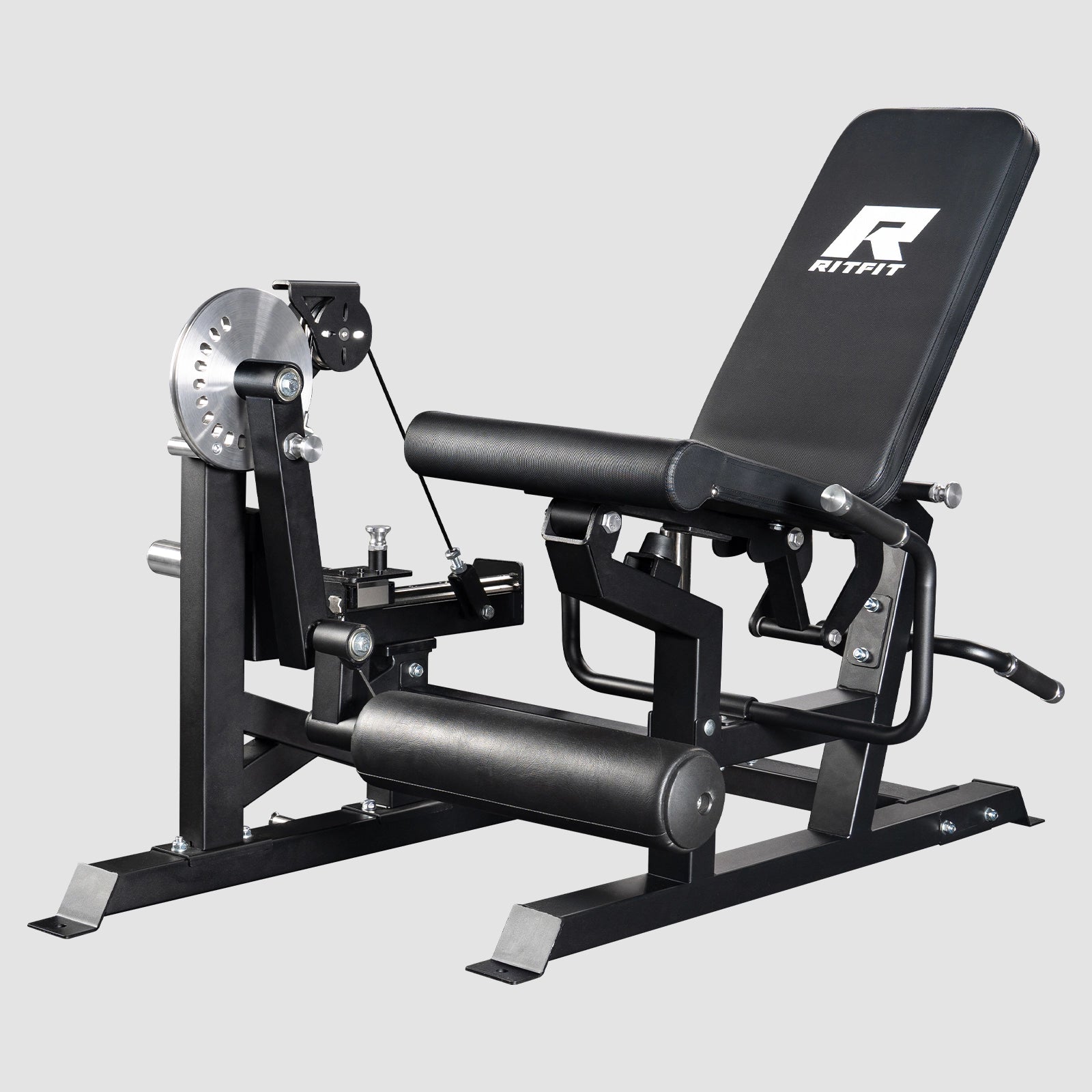
- Multiple setups: You can use a dedicated belt squat machine or a rack-mounted attachment like the RitFit AT03 on a power rack.
- Versatile application: It suits home gym leg day, high-volume quad training, and lifters working around back or shoulder discomfort.
What Is a Belt Squat?
A belt squat is a squat variation that loads the lower body from a padded belt worn high on the hips, with the resistance either hanging from a lever arm, a loaded bar, or a machine, rather than from a barbell on your shoulders. Because the weight pulls from your hips, your spine stays in a more neutral position and carries far less axial load than it would with a bar resting on your back.
- How it works: You attach the load to a belt or harness around your hips, take a normal squat stance, and squat down and back up with the weight suspended below you.
- Not just a machine: You can build a belt squat setup many ways, from a commercial machine to a rack-mounted attachment such as the RitFit AT03 Belt Squat Attachment that turns an existing power rack into a compact belt squat station.
The key difference from a standard squat is where the load sits. Keeping the bar off your back is what makes the belt squat attractive for lifters who want to train their legs heavily without the spinal compression of a back squat.
For more on the movement itself, our Mammoth belt squat form guide steps through the same exercise in detail.
How Does a Belt Squat Unload the Spine?
A belt squat unloads the spine by moving the resistance from the shoulders to the hips, so your vertebrae are not asked to carry the compressive weight of the bar. Biomechanics research supports this: a 2018 study in the Journal of Strength and Conditioning Research found that switching from back squats to belt squats increased peak forces, ankle moments, and knee moments while decreasing low-back moments, and lifters with the greatest back-squat low-back moments saw the largest reductions.
- Less axial load: The weight hangs from your hips, so your spine is not loaded by a bar pressing straight down on your upper back.
- Neutral torso: With the load suspended, most lifters can keep the torso more upright and reduce rounding under heavy effort.
- Quiet on the low back: The 2018 biomechanics analysis is one reason the belt squat is often recommended as a leg-training option for people managing back or shoulder discomfort.
That unloading is why the belt squat shows up in leg-day programming for lifters whose backs are the limiting factor. You still get a demanding knee-focused squat with far less of the compression that a barbell back squat involves.
A comparable lower-body alternative with different loading is a pendulum squat, which also supports the trunk while you squat.
Belt Squat vs. Barbell Back Squat
The belt squat and the barbell back squat both train the legs with a squat pattern, but they differ in where the load sits and how much work your trunk does. The back squat loads a bar on the upper back and recruits the entire trunk to hold it stable; the belt squat hangs the weight from your hips and lets your legs do more of the work with less spinal compression.
| Feature | Belt Squat | Barbell Back Squat |
|---|---|---|
| Load position | Hip belt / harness | Bar on upper back |
| Spinal compression | Low | Higher |
| Primary emphasis | Quads, glutes, hamstrings | Full chain incl. trunk |
| Trunk stabilization demand | Lower | High |
| Setup | Machine or rack attachment | Rack, bar, and plates |
| Gluteus maximus activation | Lower (per EMG study) | Higher |
Comparison reflects the placement of the load and typical muscle emphasis; EMG findings on gluteus maximus from a J Strength Cond Res muscle-activation study comparing back squats and belt squats.
Glute output is the main trade-off. An EMG study found back squats produced greater gluteus maximus activation than belt squats, so lifters who want maximal glute work may still prefer the back squat while using the belt squat for quad-dominant volume.
If you want to keep more barbell-style leg strength without the bar on your back, a front squat is another alternative that shifts the load to the front of the body.
What Muscles Does a Belt Squat Work?
A belt squat primarily works the quadriceps, with strong contributions from the glutes and hamstrings as you squat to depth and drive back to standing. Because the load hangs from your hips rather than your back, your trunk stabilizers work less and the lower-body muscles carry a greater share of the resistance.
- Quadriceps: The main movers through the descent and the drive back up, especially with a more upright torso and knees tracking forward.
- Glutes: Strong hip extenders at the bottom of the squat, though EMG research indicates somewhat lower gluteus maximus activation than a back squat.
- Hamstrings and adductors: Help control the descent and assist with hip extension and depth.
- Trunk: Still provides some stability, but far less than the axial loading of a back squat demands.
The quad focus of the belt squat aligns with training literature showing the front and deep squat pattern loads the quadriceps heavily[1]. One study on quadriceps cross-sectional area found the vastus medialis was a strong predictor of squat strength[2], which is why knee-dominant squat work matters for leg development.
How to Do a Belt Squat Correctly
To do a belt squat, set the belt high on your hips so it hangs just above the glutes, attach the load, stand into tension, and perform a normal squat where you descend to at least parallel and drive back up. Keep the chest tall, the knees tracking over the toes, and the movement controlled rather than rushed.
- Set the height: Position the belt at your hip bone, not your low back or waist, so the pull is from the hips.
- Stand into the load: Stand tall so the belt takes the tension before you start each rep.
- Squat to depth: Descend until your thighs are at least parallel, keeping the torso upright and knees tracking forward.
- Drive up: Press the floor away and extend the hips until you are standing tall.
- Control the reps: Keep the descent steady so you do not free-fall under the load.
For a rack-mounted setup, follow the specific install and adjustment steps in our RitFit AT03 Belt Squat Attachment guide, which covers compatibility, setup, and programming. Eccentric tempo matters too: a study in Front Physiol found controlled lowering on squats influenced quadriceps hypertrophy and strength[3], so resist the descent rather than dropping into the hole.
How Much Weight Should You Use?
Start a belt squat with a load you can move for 10 to 12 controlled repetitions with good depth, then add weight in small increments as that weight becomes easy. Because the belt squat removes spinal loading, some lifters can move heavy loads, but your first sessions should build technique and confidence before you chase numbers.
- Start light: Work up over a few sets to a weight you can squat smoothly for 10 to 12 reps.
- Add by small jumps: Progress in increments that let you keep full depth and steady control each rep.
- Program by rep range: For quad-focused hypertrophy, 8 to 15 reps per set is a practical starting band.
- Load to your setup: A rack-mounted attachment has a rated capacity, such as 350 lbs on the RitFit AT03, so stay within your equipment's spec.
- Increase only when ready: Add weight when you can hold depth and tempo across all your sets without pain.
Choose your top working weight by what you can squat cleanly, not by what a back squat says you should handle.
Because the mechanics differ, your belt squat load will often be higher than what feels similar on a bar, and that is expected.
Keep intensity honest so you can train the legs hard while still feeling safe on the spine each session.
Who Should Use a Belt Squat (and When)?
Use a belt squat if you want heavy lower-body training without axial spine loading, whether that is for home gym leg day, high-volume quad work, or working around back or shoulder discomfort that makes a barbell squat uncomfortable. It is a practical fit for lifters who want to keep their legs strong while protecting the spine.
- Home gym owners: A belt squat attachment turns an existing power rack into a compact lower-body station without a big footprint.
- Lifters with back or shoulder discomfort: Removing the bar from the spine makes leg training more comfortable for many people.
- High-volume quad training: Because the spine is less taxed, you can add extra squat-style volume after or instead of back squats.
- Powerlifters and athletes: The belt squat builds leg strength and quad hypertrophy while saving the low back for competition lifts.
Every lifter is different, so use judgment about your own comfort. For lifters comparing another machine-style squat option that also spares the spine, a Zercher squat is a barbell variation that loads the bar in front of the chest rather than on the back.
The right choice depends on your goals, your equipment, and how each movement feels for you.
Common Belt Squat Mistakes
The most common belt squat mistakes are wearing the belt too low on the back, rushing the descent, lifting the torso rather than pushing through the legs, and adding weight too quickly before technique is solid. All of these reduce the benefit of the belt squat or stress parts of the body the exercise is meant to spare.
- Belt placed on the low back: The belt should sit on the hips, not the lumbar spine, so it does not press on your back.
- Rushing reps: Dropping fast into the hole adds impact and reduces control; lower under control.
- Hypering the torso: Drive up through the legs and hips instead of leaning the whole upper body back.
- Adding weight too fast: Increase only when you can hit depth and tempo cleanly across every set.
- Ignoring sharp pain: Stop the set and seek appropriate guidance if any movement provokes sharp or worsening pain.
Keep the focus on clean, controlled reps and set depth before you worry about load. When you are ready to shop setup options, check the rack attachments collection to compare belt squat and other rack-mounted lower-body attachments for your rack.
If a specific movement ever does not feel right for you, choose the variation you can perform safely.
FAQs About the Belt Squat
Does a belt squat unload the spine?
Yes. A belt squat suspends the load from a belt worn around the hips instead of from a bar on the shoulders. This removes most of the direct axial compression on the spine. Biomechanics research found that belt squats lowered low-back moments compared with back squats while still loading the knees and ankles.
What does a belt squat machine do?
A belt squat machine is a lower-body strength station that holds the weight on a belt around the hips and lets you squat without resting a bar on your back. It trains the quads, glutes, and hamstrings while minimizing spinal compression. Some models mount directly to a power rack.
Is a belt squat the same as a back squat?
No. A back squat loads the bar across the upper back. A belt squat loads the same leg muscles from a hip belt, so it removes most spinal compression. Back squats tend to produce greater gluteus maximus activation than belt squats in EMG research.
What muscles does a belt squat work?
The belt squat mainly targets the quadriceps, with strong glute and hamstring involvement. Because the load hangs from the hips, your trunk musculature works less to stabilize a bar, letting you focus load on the lower body. It is a reliable lower-body developer.
Can I add a belt squat to my home gym?
Yes. You can buy a dedicated belt squat machine or add a rack-mounted attachment such as the RitFit AT03, which fits many 2x2, 2x3, and 3x3 power racks and supports up to 350 lbs. This saves floor space while turning an existing rack into a belt squat station.
Conclusion
A belt squat is a lower-body squat variation that hangs the resistance from a hip belt instead of a bar on the back, and that single change removes most of the axial spinal compression of a traditional squat. Biomechanics data indicate belt squats reduce low-back moments while preserving knee and ankle loading, making them a practical leg option for home gym owners and lifters managing back or shoulder discomfort.
Start light, build clean depth and tempo, and add weight only as technique allows. To outfit your home gym at the best value, compare the RitFit discount guide before you buy.
Disclaimer
This guide is for general informational and educational purposes only and is not medical advice, diagnosis, or treatment. Exercise carries inherent risk, so consult a qualified professional before starting a new program, especially if you have a pre-existing injury, recent surgery, or a medical condition, and use equipment according to its rated specifications.
References
1. Bautista D, Durke D, Cotter JA, Escobar KA, Schick EE. A Comparison of Muscle Activation Among the Front Squat, Overhead Squat, Back Extension and Plank. Int J Exerc Sci. 2020;13(1):714-722. PMCID: PMC7241624.
2. Kojic F, Ðurić S, et al. Quadriceps femoris cross-sectional area and specific leg strength: relationship between different muscles and squat variations. PeerJ. 2021;9:e12435. PMCID: PMC8628634.
3. Kojic F, Mandic R, Duric S. The effects of eccentric phase tempo in squats on hypertrophy, strength, and contractile properties of the quadriceps femoris muscle. Front Physiol. 2025;15:1531926. PMCID: PMC11754408.